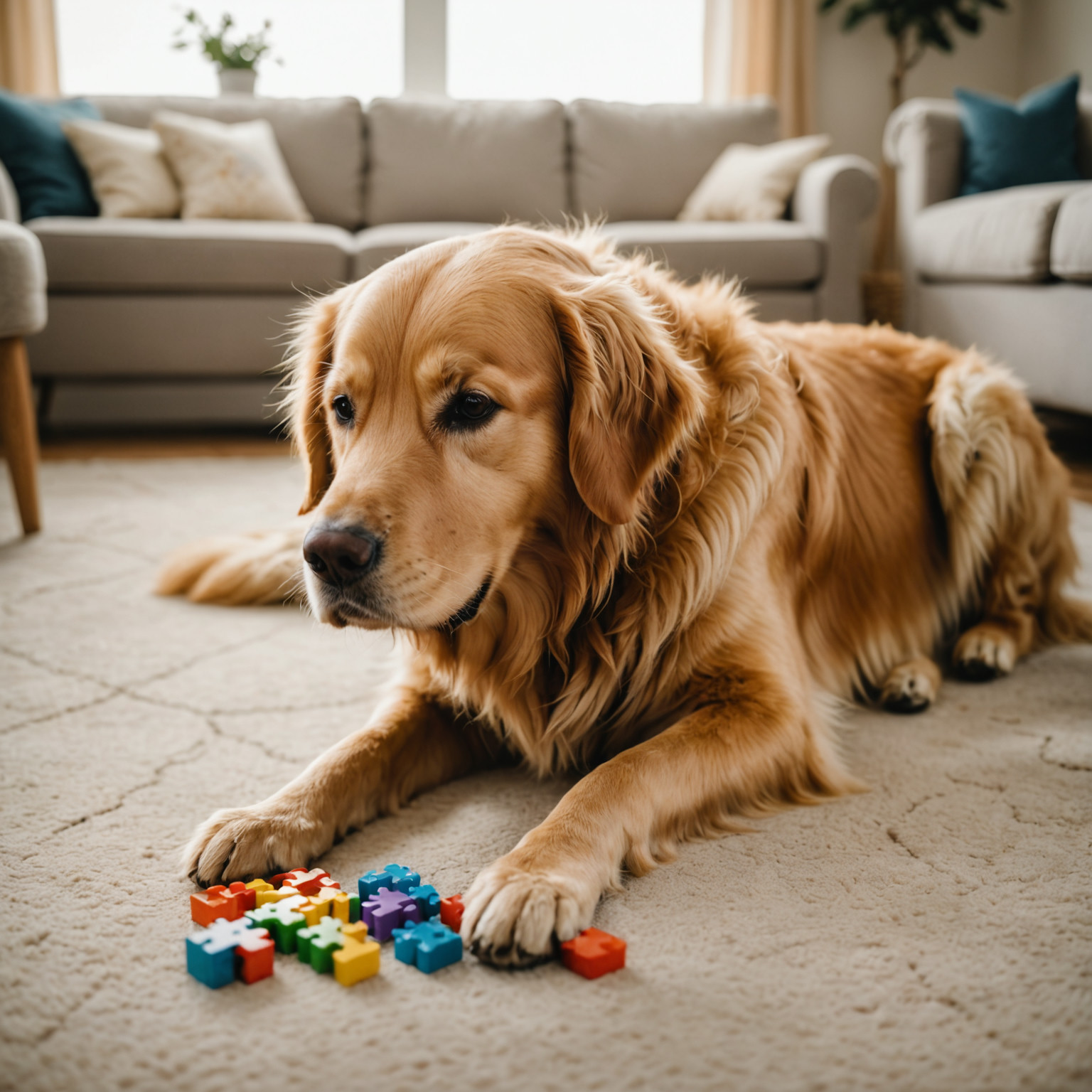
The Ultimate Checklist for Mental Enrichment and Calm Routine Training in Dogs
If you've ever watched your dog pace the hallway, bark at nothing, or chew through a perfectly good throw pillow, you already know the truth: a bored dog is rarely a calm dog. Mental enrichment and calm routine training are two of the most powerful tools in any dog parent's toolkit — and the good news is, they work beautifully together.
At Happy Paw Studio, we believe that a fulfilled dog is a happy dog. When your pup's brain gets the workout it needs and their daily life follows a predictable, reassuring rhythm, you'll often see anxiety melt away, problem behaviors fade, and a much more relaxed companion emerge. Whether you have a high-energy Border Collie or a laid-back Basset Hound, every dog benefits from intentional mental stimulation paired with calm, consistent routines.
This checklist-style guide walks you through everything you need to get started — from daily enrichment activities to the small but mighty habits that build lasting calm in your dog's life.
- Why Mental Enrichment Matters for Your Dog
- What Is Calm Routine Training?
- Daily Mental Enrichment Checklist
- Calm Routine Training Checklist
- Weekly Enrichment Boosters
- Signs Your Dog's Needs Are Being Met
- Common Mistakes to Avoid
- Frequently Asked Questions
Why Mental Enrichment Matters for Your Dog
Dogs are intelligent, curious animals who were bred to work, problem-solve, and explore. When that mental energy has nowhere to go, it tends to show up in ways we'd rather it didn't — destructive chewing, excessive barking, hyperactivity, or even anxiety-related behaviors.
Mental enrichment simply means giving your dog activities and experiences that engage their brain. It doesn't have to be complicated or expensive. Sniffing a new patch of grass, working for their kibble, or learning a new trick all count. The goal is to give your dog's mind something meaningful to do each day.
Research in animal behavior consistently supports the idea that mental stimulation reduces stress and improves overall well-being in dogs. A mentally tired dog is often far calmer than one who has only had physical exercise — and that's a game-changer for busy dog parents.
What Is Calm Routine Training?
Calm routine training isn't a single technique — it's a philosophy. It's about building predictability into your dog's day so they feel safe and secure, and intentionally rewarding calm, settled behavior rather than accidentally reinforcing excitement and chaos.
Dogs are creatures of habit. When they know what to expect — when walks happen, when meals arrive, when quiet time begins — their nervous systems can relax. Pair that predictability with gentle training that rewards stillness and relaxation, and you've created a foundation for a genuinely calm dog.
This approach is especially helpful for anxious dogs, reactive dogs, and puppies who are still learning how to regulate their emotions.
Daily Mental Enrichment Checklist
Use this checklist as your go-to guide for keeping your dog's brain engaged every single day. You don't need to do everything on this list — pick two or three that work for your lifestyle and rotate them to keep things fresh.
Feeding and Food-Based Enrichment
- ☐ Use a puzzle feeder or snuffle mat instead of a regular bowl at least once a day
- ☐ Stuff a Kong or lick mat with your dog's meal, plain yogurt, or a dog-safe spread
- ☐ Scatter feed kibble in the grass or on a sniff-friendly mat to encourage natural foraging
- ☐ Hide small treats around the house for a simple nose-work game
- ☐ Try slow feeders if your dog tends to gulp their food too quickly
Sensory and Sniff-Based Activities
- ☐ Allow a "sniff walk" where your dog leads and explores at their own pace — no rushing!
- ☐ Introduce new smells like dog-safe herbs (rosemary, lavender) on a sniff board
- ☐ Rotate toys so familiar items feel new and interesting again
- ☐ Let your dog investigate safe new objects, textures, or environments
Training and Brain Games
- ☐ Practice one short training session (5–10 minutes) using positive reinforcement
- ☐ Teach or reinforce one cue — even a simple "sit" or "look at me" counts
- ☐ Play a "find it" game by hiding a toy or treat and encouraging your dog to search
- ☐ Try basic nose work by hiding a scented item in a box or under a cup
Calm Downtime Activities
- ☐ Offer a chew (bully stick, raw bone, or safe chew toy) for independent, calming activity
- ☐ Provide a cozy, designated rest space your dog can retreat to anytime
- ☐ Practice calm settling by rewarding your dog for lying quietly on their mat
Calm Routine Training Checklist
Building calm into your dog's daily routine is about consistency, timing, and rewarding the right moments. Here's your step-by-step checklist for creating a calmer, more grounded dog.
Morning Routine
- ☐ Greet your dog calmly — avoid high-pitched, excited greetings that spike arousal first thing
- ☐ Wait for four paws on the floor before giving attention or opening doors
- ☐ Feed at the same time each morning to establish a reliable rhythm
- ☐ Do a short training session before or after breakfast when your dog is alert but not overstimulated
Throughout the Day
- ☐ Schedule predictable rest periods — dogs need more downtime than most people realize
- ☐ Practice "place" or "mat" training so your dog has a go-to calm spot
- ☐ Reward calm behavior spontaneously — if you catch your dog lying quietly, quietly praise or treat them
- ☐ Avoid inadvertently rewarding excitement by waiting for calm before giving attention, food, or play
- ☐ Keep your own energy calm — dogs are incredibly attuned to our emotional states
Before Walks and Outings
- ☐ Ask for a sit or calm behavior before clipping the leash
- ☐ Wait at the door until your dog is settled before stepping outside
- ☐ Practice leash manners with short, positive sessions rather than long, frustrating ones
Evening Wind-Down
- ☐ Establish a consistent bedtime routine — a short walk, a chew, then quiet time
- ☐ Dim lights and reduce noise in the evening to signal that it's time to settle
- ☐ Avoid high-energy play in the hour before bed
- ☐ Offer a final lick mat or chew to help your dog decompress
Weekly Enrichment Boosters
Beyond your daily checklist, these weekly activities add variety and deeper engagement to your dog's enrichment plan.
- ☐ Visit a new location — a different park, trail, or neighborhood for novel sniffing opportunities
- ☐ Introduce a new puzzle toy or rotate in one they haven't seen in a while
- ☐ Practice a new trick or skill to keep training fresh and fun
- ☐ Arrange a social outing with a dog-friendly friend or a calm playdate (if your dog enjoys other dogs)
- ☐ Do a longer "decompression walk" in a natural setting where your dog can sniff freely on a long line
- ☐ Try a DIY enrichment activity like a muffin tin puzzle or a cardboard box dig box
Signs Your Dog's Needs Are Being Met
How do you know if your enrichment and calm routine efforts are working? Look for these positive signs:
- Your dog settles easily after activity and rests without pacing
- Problem behaviors like destructive chewing or excessive barking have decreased
- Your dog can be left alone without significant distress
- They engage happily with enrichment activities and training
- They seem relaxed and content in their body language — soft eyes, loose posture, easy breathing
- They respond well to cues and seem focused during training sessions
If you're not seeing improvement after a few consistent weeks, it may be worth consulting a certified professional dog trainer or your veterinarian to rule out underlying anxiety or health concerns.
Common Mistakes to Avoid
Even well-meaning dog parents can accidentally undermine their enrichment and calm training efforts. Watch out for these common pitfalls:
- Overdoing it — too much stimulation can actually increase arousal and anxiety. Balance activity with genuine rest.
- Inconsistency — routines only work when they're actually routine. Try to keep feeding, walking, and training times as consistent as possible.
- Rewarding excitement — if you give your dog attention when they're jumping, barking, or spinning, you're reinforcing that behavior. Wait for calm.
- Skipping the sniff — a walk where your dog can't stop and smell things is a missed enrichment opportunity. Let them sniff!
- Using punishment — calm training works best with positive reinforcement. Punishment can increase anxiety and undermine trust.
- Expecting overnight results — building calm takes time. Be patient and celebrate small wins.
Frequently Asked Questions
How much mental enrichment does my dog need each day?
Most dogs benefit from at least 15–30 minutes of intentional mental enrichment daily, though this varies by breed, age, and energy level. High-drive working breeds may need more, while senior dogs or those recovering from illness may need gentler, shorter sessions.
Can mental enrichment replace physical exercise?
Not entirely — dogs still need physical activity for their health. But mental enrichment can complement exercise beautifully and is often more tiring for your dog than a walk alone. On low-activity days, enrichment activities can help fill the gap.
My dog doesn't seem interested in puzzle toys. What should I try?
Start simple! Some dogs are overwhelmed by complex puzzles at first. Try scatter feeding on a sniff mat, hiding treats in a muffin tin covered with tennis balls, or just tossing kibble in the grass. Build up complexity gradually as your dog gains confidence.
How long does calm routine training take to work?
Most dog parents start noticing positive changes within two to four weeks of consistent practice. Some dogs, particularly anxious or reactive ones, may take longer. Consistency is the most important factor.
Is calm routine training suitable for puppies?
Absolutely — in fact, starting early is ideal. Puppies who learn calm settling behaviors and experience enrichment from a young age often grow into more balanced adult dogs. Keep sessions short and always end on a positive note.
What if my dog has severe anxiety?
If your dog's anxiety significantly impacts their quality of life, please consult your veterinarian or a certified veterinary behaviorist. Enrichment and routine training are wonderful supportive tools, but some dogs benefit from additional professional support or medical intervention.
A Calmer, Happier Dog Starts Today
Mental enrichment and calm routine training aren't about perfection — they're about intention. Every sniff walk, every puzzle feeder, every moment you reward your dog for settling quietly is a deposit in the bank of their well-being.
You don't have to overhaul your entire life to make a meaningful difference. Start with one or two items from this checklist today. Build from there. Be consistent, be patient, and trust the process — because the calm, contented dog you're working toward is absolutely worth it.
We'd love to hear how it's going! Share your enrichment wins with the Happy Paw Studio community and let us know which checklist items have made the biggest difference for your pup.
```Get Printable Dog Planners & Trackers at Happy Paw Studio
Looking for instant printable dog health logs, pet care planners, and daily routine journals? Visit our Etsy store to download yours today!
Shop HappyPawStudio1 on Etsy →