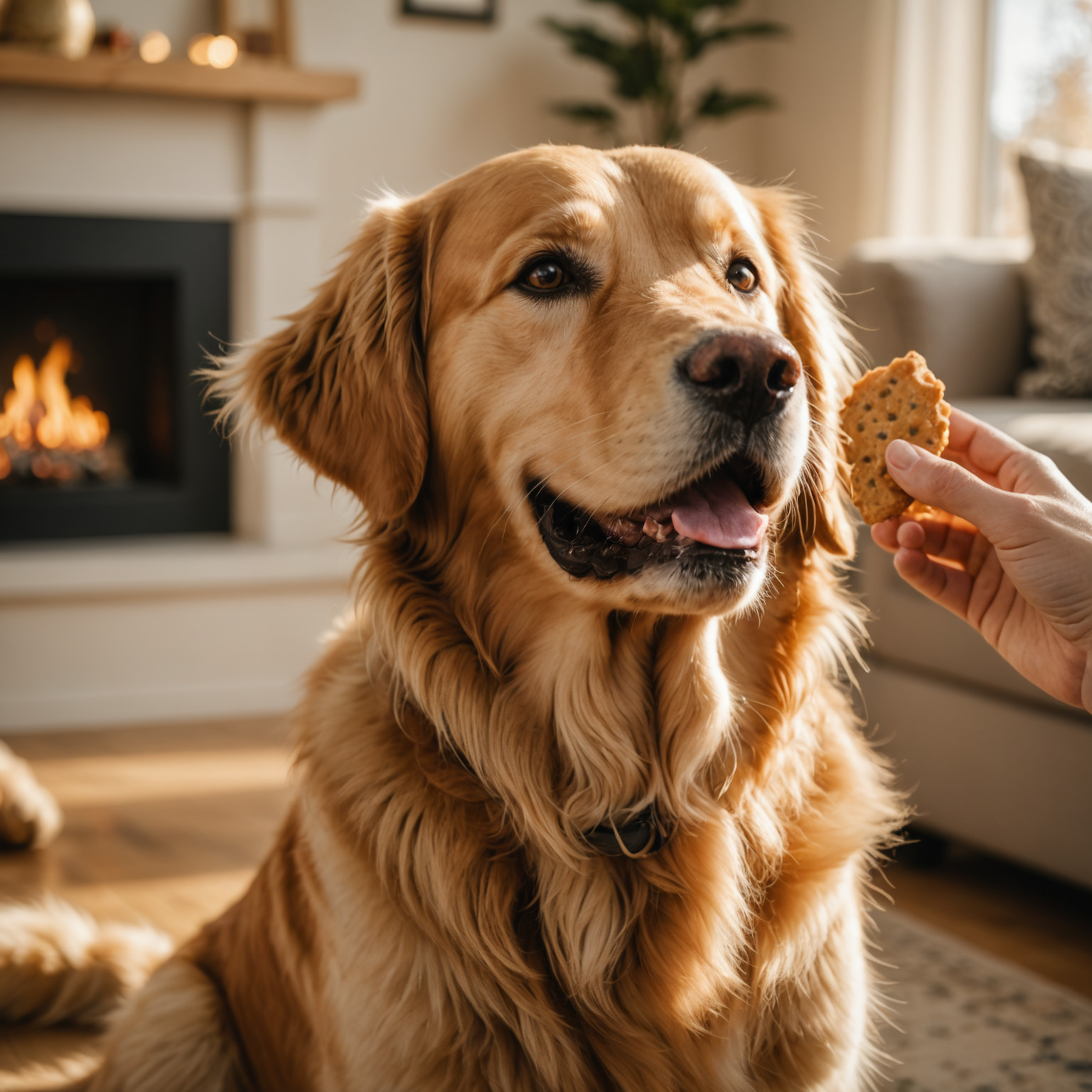
Positive Reinforcement Training: The New Gold Standard for Happy, Well-Behaved Dogs
If you've ever watched a dog light up the moment their owner reaches for the treat pouch, you already understand the magic of positive reinforcement training. This approach to teaching dogs has been gaining serious momentum over the past decade — and for very good reason. It's effective, it's kind, and it builds the kind of bond between you and your dog that makes every training session something you both actually look forward to.
Whether you're working with a brand-new puppy or trying to reshape the habits of an older dog, positive reinforcement training offers a clear, compassionate path forward. In this guide, we're breaking down exactly what it is, why it works, and how you can start using it today to get real results.
- What Is Positive Reinforcement Training?
- Why Positive Reinforcement Is Considered the Gold Standard
- The Science Behind the Method
- Top Tips for Getting Started
- Common Mistakes to Avoid
- Best Rewards to Use in Positive Reinforcement Training
- Training Specific Behaviors with Positive Reinforcement
- Frequently Asked Questions
What Is Positive Reinforcement Training?
Positive reinforcement training is a method of teaching dogs by rewarding the behaviors you want to see more of. When your dog does something right — sits when asked, comes when called, or stays calm around strangers — you immediately follow that behavior with something your dog loves. That could be a tasty treat, enthusiastic praise, a favorite toy, or even just a good scratch behind the ears.
The core idea is simple: behaviors that are rewarded get repeated. You're not punishing what goes wrong. Instead, you're making it incredibly worthwhile for your dog to do what's right.
This approach stands in contrast to older, more correction-based training methods that relied on dominance, fear, or physical punishment to suppress unwanted behaviors. Modern animal behaviorists, certified trainers, and veterinary professionals widely agree that positive reinforcement is not only more humane — it's also more effective for long-term learning.
Why Positive Reinforcement Is Considered the Gold Standard
The term "gold standard" gets thrown around a lot, but in the world of dog training, positive reinforcement has genuinely earned that title. Here's why so many professional trainers and dog parents are making the switch — or starting here from day one.
It Builds Trust, Not Fear
When your dog learns that good things happen when they listen to you, they start to see you as a source of safety and reward rather than something to be wary of. That trust becomes the foundation of your entire relationship. A dog who trusts you is more likely to pay attention, stay engaged during training, and look to you for guidance in new or stressful situations.
It Reduces Stress for Both of You
Training sessions that rely on punishment or intimidation can be stressful — for your dog and for you. Positive reinforcement keeps the energy upbeat and encouraging. Your dog is more relaxed, more focused, and more willing to try new things because there's no fear of getting it wrong.
It Works for Every Dog
Whether you have a timid rescue, a high-energy adolescent, or a stubborn senior, positive reinforcement can be adapted to suit any dog's personality and learning style. There's no one-size-fits-all approach, but the principle of rewarding good behavior is universally applicable.
The Science Behind the Method
Positive reinforcement is rooted in behavioral science, specifically in the work of B.F. Skinner and the concept of operant conditioning. The idea is that animals (including humans) are more likely to repeat behaviors that produce positive outcomes. When a dog sits and immediately receives a treat, their brain makes a connection: sitting = good things happen. Over time, that connection becomes stronger and the behavior becomes more reliable.
Timing is everything in this process. The reward needs to come within a second or two of the desired behavior for your dog to make the right association. This is why many trainers use a clicker or a marker word like "yes!" to bridge the gap between the behavior and the reward — it gives your dog an instant signal that they got it right, even if the treat takes a moment to arrive.
Top Tips for Getting Started
Ready to put positive reinforcement into practice? Here are some practical, beginner-friendly tips to help you hit the ground running.
Start with High-Value Rewards
Not all rewards are created equal. For training sessions — especially when teaching something new — use treats your dog goes absolutely wild for. Small pieces of cooked chicken, cheese, or commercial training treats tend to work well. Save the really good stuff for the most challenging behaviors.
Keep Sessions Short and Sweet
Dogs, especially puppies, have limited attention spans. Aim for training sessions that last five to ten minutes, a few times a day. Short, frequent sessions are far more effective than one long, exhausting session. Always end on a positive note so your dog walks away feeling successful.
Be Consistent with Your Cues
Choose one word or hand signal for each behavior and stick with it. If you say "sit" one day and "sit down" the next, you're making things harder for your dog. Consistency helps your dog understand exactly what you're asking for.
Reward Immediately
Timing is critical. The moment your dog performs the desired behavior, mark it with a "yes!" or a click and follow up with the reward right away. Delayed rewards can confuse your dog about what they're actually being rewarded for.
Gradually Raise the Bar
Once your dog reliably performs a behavior in a quiet, low-distraction environment, start practicing in more challenging settings. Add distance, duration, and distractions slowly and incrementally. This process, called "proofing," helps your dog generalize the behavior to real-world situations.
Use Life Rewards Too
Treats are great, but life rewards — like being allowed to go outside, getting to greet another dog, or having their leash clipped on for a walk — can be incredibly powerful motivators. If your dog has to sit before the door opens, that door opening becomes the reward. These everyday moments are training opportunities in disguise.
Common Mistakes to Avoid
Even with the best intentions, it's easy to slip into habits that slow your progress. Here are a few common pitfalls to watch out for.
Rewarding Too Late
If you give a treat five seconds after your dog sits, you might accidentally be rewarding them for standing back up. Precision matters. Use a marker word or clicker to capture the exact moment the behavior happens.
Repeating Commands
Saying "sit, sit, sit, SIT" teaches your dog that they don't need to respond the first time. Give the cue once, wait a few seconds, and if needed, gently guide your dog into position before rewarding. Over time, they'll learn that the first cue is the one that counts.
Skipping the Fade
Once your dog has learned a behavior, you don't need to treat every single repetition forever. Gradually move to a variable reward schedule — sometimes a treat, sometimes praise, sometimes a toy. This actually makes the behavior more durable over time.
Getting Frustrated
Dogs pick up on your energy. If you're tense or frustrated, your dog will feel it and training will suffer. If a session isn't going well, take a break. Come back when you're both in a better headspace.
Best Rewards to Use in Positive Reinforcement Training
The best reward is whatever your dog finds most motivating. Here are some options to experiment with:
- Food treats: Small, soft, and smelly tends to work best. Think tiny pieces of chicken, hot dog, or cheese.
- Verbal praise: A cheerful "good boy!" or "yes!" delivered with genuine enthusiasm can go a long way.
- Play: A quick game of tug or a toss of a favorite toy can be a powerful reward for play-motivated dogs.
- Petting: Some dogs are highly motivated by physical affection — a good scratch or a chest rub can be just as rewarding as a treat.
- Life rewards: Access to things your dog already wants, like going outside or greeting a friend.
Training Specific Behaviors with Positive Reinforcement
Teaching "Sit"
Hold a treat close to your dog's nose, then slowly move your hand up. As their head follows the treat, their bottom will naturally lower. The moment they're fully seated, say "yes!" and give the treat. Repeat until they're doing it reliably, then add the verbal cue "sit" just before the movement.
Teaching "Stay"
Ask your dog to sit, then open your palm toward them and say "stay." Take one step back, then return and reward. Gradually increase the distance and duration before rewarding. Always return to your dog to reward rather than calling them to you — this keeps the "stay" behavior intact.
Teaching "Come"
This is one of the most important behaviors you can teach. Start in a small space, crouch down, open your arms, and say your dog's name followed by "come" in a happy, inviting voice. When they reach you, reward generously. Never call your dog to you for something unpleasant — you want "come" to always predict good things.
Frequently Asked Questions
Is positive reinforcement training effective for all dog breeds?
Yes! While different breeds have different motivations and learning styles, the principle of rewarding desired behaviors works across the board. You may need to experiment with what type of reward works best for your individual dog.
How long does it take to see results with positive reinforcement?
Many dogs start responding to basic cues within just a few sessions. More complex behaviors or deeply ingrained habits may take longer. Consistency and patience are your best tools.
Can I use positive reinforcement with an older dog?
Absolutely. The saying "you can't teach an old dog new tricks" is a myth. Older dogs can learn new behaviors and unlearn old ones — it may just require a bit more patience and repetition.
Do I always need to carry treats?
Not forever. Once a behavior is well established, you can use treats intermittently and rely more on praise and life rewards. But in the early stages of teaching something new, having treats on hand makes a big difference.
What if my dog isn't food motivated?
Some dogs prefer play, toys, or affection over food. Try different types of rewards to find what makes your dog's eyes light up, and use that as your primary reinforcer.
Start Building a Better Bond Today
Positive reinforcement training isn't just a technique — it's a philosophy. It's about choosing to communicate with your dog through encouragement, clarity, and kindness rather than fear or force. And the results speak for themselves: dogs trained this way are not only better behaved, they're happier, more confident, and more deeply connected to the people they love.
At Happy Paw Studio, we believe every dog deserves a patient, positive teacher — and every dog parent deserves to feel confident and capable in that role. So grab your treats, pick one behavior to work on today, and enjoy the process. You and your dog are going to do great things together.
```Get Printable Dog Planners & Trackers at Happy Paw Studio
Looking for instant printable dog health logs, pet care planners, and daily routine journals? Visit our Etsy store to download yours today!
Shop HappyPawStudio1 on Etsy →