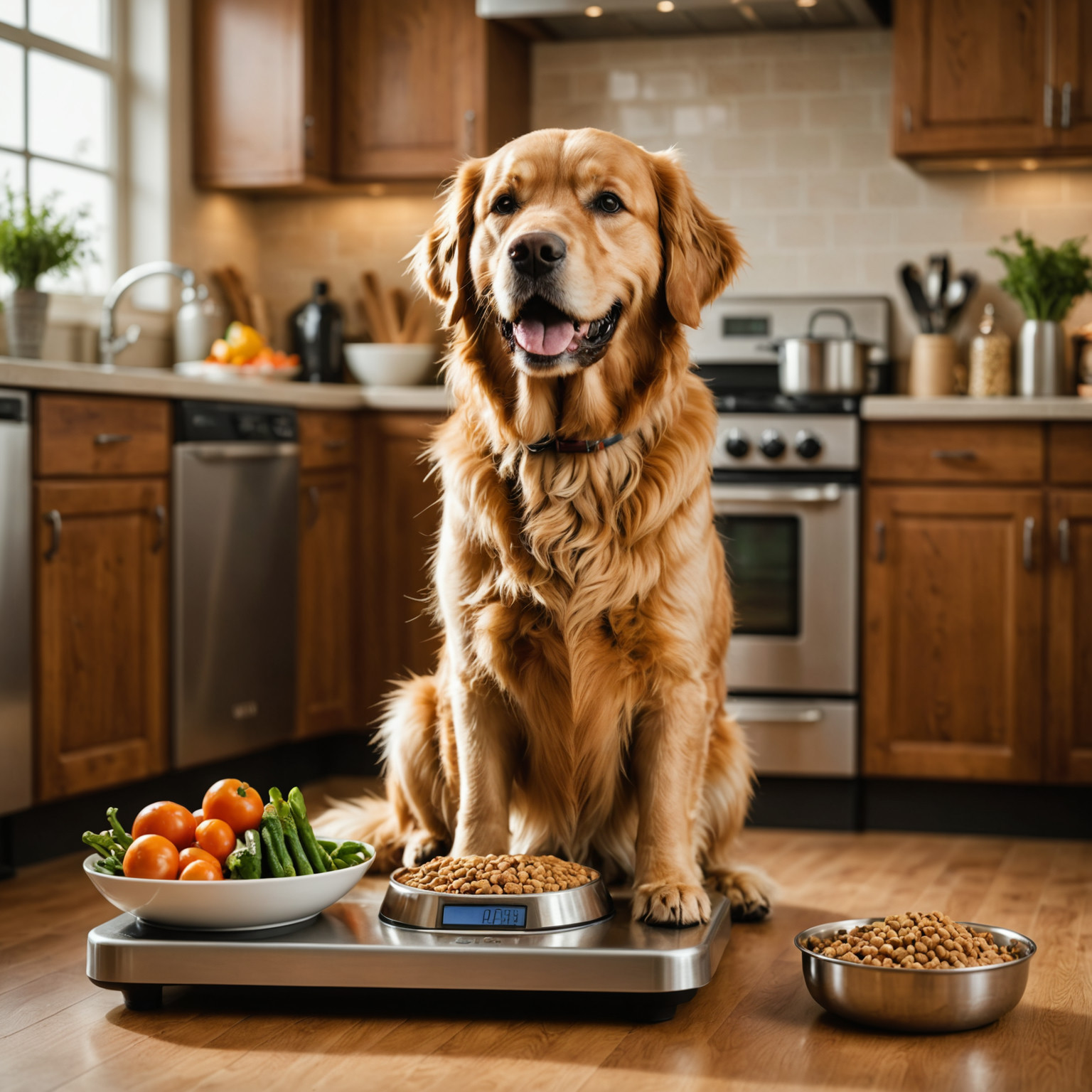
The Dog Weight Management Checklist Every Pet Parent Needs
If your dog has been a little rounder lately, you're not alone. Dog obesity is one of the most common health concerns veterinarians see today, and it can sneak up on even the most attentive pet parents. An extra treat here, a skipped walk there — it adds up faster than we realize. The good news? With the right approach, healthy weight management for dogs is absolutely achievable, and it doesn't have to feel overwhelming.
This checklist-style guide is designed to walk you through every area of your dog's lifestyle so you can identify what's working, what needs adjusting, and how to set your pup up for a healthier, happier life. Whether your dog has been officially diagnosed as overweight by a vet or you simply want to be proactive, this guide is for you.
Veterinary Disclaimer: This article is intended for general informational purposes only and is not a substitute for professional veterinary advice. Always consult your veterinarian before making significant changes to your dog's diet, exercise routine, or health plan — especially if your dog has existing medical conditions.
- How to Tell If Your Dog Is Overweight
- Checklist: Feeding Habits to Review
- Checklist: Exercise and Activity Levels
- Checklist: Treats and Extras
- Checklist: Vet and Monitoring Habits
- Checklist: Environmental and Lifestyle Factors
- Frequently Asked Questions
- Final Thoughts
How to Tell If Your Dog Is Overweight
Before diving into the checklist, it helps to understand what a healthy weight actually looks like for your dog. Body condition varies by breed, age, and size, so the number on the scale isn't always the most reliable indicator on its own.
The Rib Test
Run your hands gently along your dog's sides. You should be able to feel their ribs without pressing hard, but they shouldn't be visibly jutting out. If you have to press firmly to feel anything, that's a sign there may be excess fat covering the ribs.
The Waist Check
Looking down at your dog from above, you should see a visible waist — a slight narrowing between the ribcage and hips. From the side, their belly should tuck upward slightly rather than hanging level or drooping.
Talk to Your Vet
Your veterinarian can assign your dog a Body Condition Score (BCS), which is a standardized scale used to assess whether a dog is underweight, at an ideal weight, or overweight. This is the most reliable starting point for any weight management plan.
Checklist: Feeding Habits to Review
Food is the foundation of weight management. Even small adjustments here can make a meaningful difference over time.
- ☐ Are you measuring meals? Free-feeding or eyeballing portions is one of the most common causes of gradual weight gain. Use a proper measuring cup or kitchen scale every single time.
- ☐ Are you feeding the right amount for your dog's ideal weight, not their current weight? Check the feeding guidelines on your dog food packaging and ask your vet what target weight to aim for.
- ☐ Is the food itself appropriate? Not all dog foods are created equal. Look for options with high-quality protein as the first ingredient and minimal fillers. Your vet may recommend a weight management formula.
- ☐ Are multiple people in the household feeding the dog? This is a sneaky source of double meals. Designate one person to handle feeding, or use a feeding log on the fridge.
- ☐ Are you feeding on a consistent schedule? Two measured meals per day is a common recommendation for adult dogs, but your vet can advise what's best for your specific pup.
- ☐ Are you accounting for all calories? Treats, table scraps, and food toppers all count. Many pet parents forget to factor these in when calculating daily intake.
Checklist: Exercise and Activity Levels
Diet and exercise work together. A dog who isn't moving enough will struggle to maintain a healthy weight even with a good diet.
- ☐ Is your dog getting daily walks? Most adult dogs benefit from at least one or two walks per day. The length and intensity should match your dog's breed, age, and current fitness level.
- ☐ Are the walks actually active? A slow sniff-heavy stroll is wonderful for mental enrichment, but it may not provide enough cardiovascular benefit. Try to include some brisk-paced walking in the routine.
- ☐ Are you incorporating play sessions? Fetch, tug, chase games, and backyard play all contribute to calorie burning and muscle maintenance. Even 10–15 minutes of active play makes a difference.
- ☐ Is your dog's exercise appropriate for their age and health? Senior dogs and those with joint issues need gentler, lower-impact activity. Swimming and short, frequent walks are often great options. Always check with your vet before increasing intensity.
- ☐ Are you gradually increasing activity? If your dog has been sedentary, jumping into long hikes can cause injury. Build up duration and intensity slowly over several weeks.
- ☐ Are you tracking activity? Some pet parents find it helpful to use a simple journal or even a pet fitness tracker to stay consistent and notice patterns.
Checklist: Treats and Extras
Treats are one of the biggest hidden contributors to dog weight gain. They're easy to give, hard to track, and often higher in calories than we think.
- ☐ Do you know how many calories are in your dog's treats? Check the packaging. Some popular treats are surprisingly calorie-dense, especially chews and biscuits.
- ☐ Are treats making up more than 10% of your dog's daily calories? This is a commonly cited guideline in the pet nutrition world. If treats are a big part of your dog's day, it's worth doing the math.
- ☐ Have you tried lower-calorie treat alternatives? Many dogs love small pieces of plain cooked chicken, cucumber slices, baby carrots, or blueberries. These can be great swaps for high-calorie commercial treats.
- ☐ Are you using treats for training? If so, use tiny pieces — think pea-sized — and count them toward the daily calorie budget.
- ☐ Is anyone giving table scraps? Even well-meaning family members can unknowingly contribute significant extra calories. Some human foods are also unsafe for dogs, so it's worth having a household conversation about this.
- ☐ Are you using food as the only form of affection? It's natural to want to show love through treats, but belly rubs, playtime, and praise are just as meaningful to your dog — and calorie-free.
Checklist: Vet and Monitoring Habits
Staying connected with your veterinarian and tracking progress at home are essential parts of any successful weight management plan.
- ☐ Has your dog had a recent vet checkup? Before starting any weight loss plan, it's important to rule out underlying medical conditions like hypothyroidism that can contribute to weight gain.
- ☐ Do you have a target weight and timeline set with your vet? Healthy weight loss in dogs is typically gradual. Your vet can help you set realistic, safe goals.
- ☐ Are you weighing your dog regularly? Monthly weigh-ins are a great way to track progress without obsessing. Many vet clinics will let you pop in just to use their scale.
- ☐ Are you keeping a simple food and activity log? Even a basic notes app entry each day can help you spot patterns and stay accountable.
- ☐ Are you adjusting the plan as needed? If your dog isn't losing weight after several weeks of consistent effort, check back in with your vet. The plan may need tweaking.
- ☐ Is your dog on any medications that could affect weight? Some medications, including certain steroids, can influence appetite and metabolism. Your vet can help you navigate this.
Checklist: Environmental and Lifestyle Factors
Sometimes the environment around your dog plays a bigger role than we realize.
- ☐ Is your dog bored or under-stimulated? Dogs who lack mental enrichment may eat out of boredom or become less active. Puzzle feeders, sniff mats, and training sessions can help keep their minds engaged.
- ☐ Is your dog stressed or anxious? Stress can affect eating behavior in dogs, sometimes leading to overeating. If you suspect anxiety is a factor, speak with your vet or a certified dog behaviorist.
- ☐ Is your dog getting enough sleep and rest? Rest is part of overall health. Dogs who are overtired or under-rested may have less energy for activity.
- ☐ Are all family members on the same page? Weight management works best when everyone in the household is consistent. Share the plan, the feeding schedule, and the treat rules with everyone involved in your dog's care.
- ☐ Are you celebrating non-food milestones? When your dog reaches a weight goal or completes a great week of walks, celebrate with a new toy, extra playtime, or a fun adventure — not extra food.
Frequently Asked Questions
How long does it take for a dog to lose weight safely?
Weight loss timelines vary depending on how much your dog needs to lose and their individual metabolism. In general, slow and steady is the goal. Your veterinarian is the best person to give you a realistic timeline based on your dog's specific situation.
Can I put my dog on a diet without consulting a vet?
While small adjustments like reducing treats or adding a daily walk are generally safe, it's always a good idea to involve your vet — especially if your dog needs to lose a significant amount of weight. Rapid or poorly managed weight loss can actually be harmful to dogs.
What are the best foods for overweight dogs?
High-protein, lower-calorie dog foods are often recommended for weight management. Some dogs do well on prescription weight management diets. Your vet can recommend the best option based on your dog's age, breed, and health history.
My dog always seems hungry. Is that normal during weight loss?
Some dogs do experience increased hunger when their portions are reduced. Feeding smaller meals more frequently, adding low-calorie vegetables like green beans, or switching to a higher-fiber food can help your dog feel more satisfied. Talk to your vet if hunger seems extreme.
Are certain dog breeds more prone to obesity?
Yes, some breeds are genetically predisposed to weight gain, including Labrador Retrievers, Beagles, Cocker Spaniels, and Basset Hounds, among others. If your dog is one of these breeds, being proactive about weight management from an early age is especially important.
You've Got This — And So Does Your Pup
Managing your dog's weight is one of the most loving things you can do for them. Carrying excess weight can put strain on joints, affect energy levels, and impact overall quality of life. But with consistent effort, a little planning, and the support of your veterinarian, real progress is absolutely possible.
Use this checklist as a living tool — come back to it regularly, check off what you're already doing well, and identify one or two areas to work on at a time. Small, sustainable changes add up to big results.
At Happy Paw Studio, we're rooting for you and your dog every step of the way. If you found this guide helpful, share it with a fellow dog parent who might need it — and don't forget to bookmark it for those moments when you need a little extra motivation to stay on track. 🐾
```Get Printable Dog Planners & Trackers at Happy Paw Studio
Looking for instant printable dog health logs, pet care planners, and daily routine journals? Visit our Etsy store to download yours today!
Shop HappyPawStudio1 on Etsy →