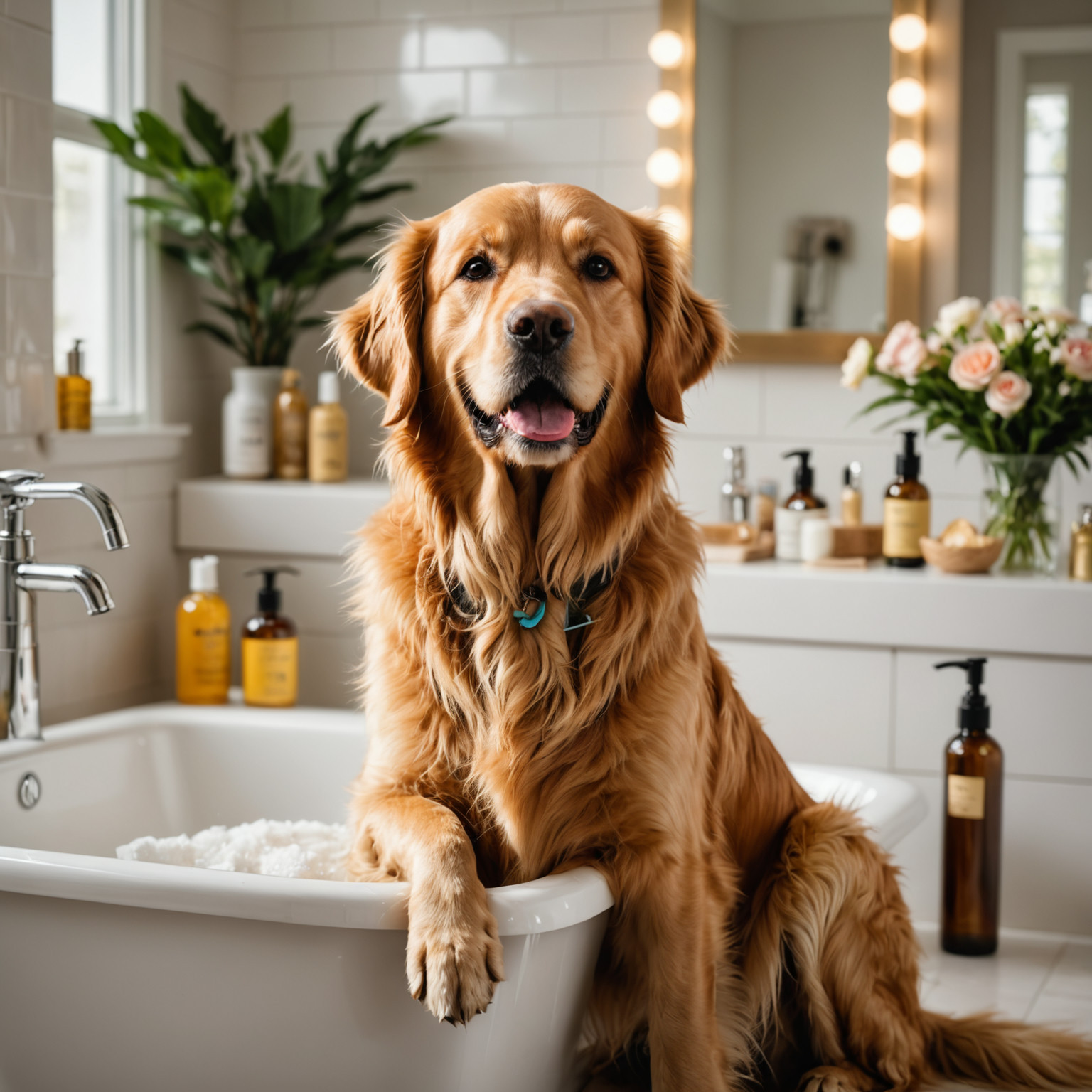
How to Groom Your Dog for Better Skin and Coat Health: A Wellness-Focused Guide
Your dog's coat is more than just something pretty to look at — it's actually one of the best indicators of their overall health. A shiny, soft coat usually signals a happy, well-nourished pup, while dullness, flakiness, or excessive shedding can be early signs that something needs attention. The good news? A consistent, wellness-focused grooming routine can make a world of difference for your dog's skin and coat health.
Whether you have a fluffy Golden Retriever or a short-coated Beagle, grooming isn't just about keeping your dog looking their best — it's an act of care that supports their physical wellbeing from the outside in. In this guide, we'll walk you through everything you need to know to build a grooming routine that truly nourishes your dog's skin and coat.
Please note: While this article offers general grooming and wellness guidance, it is not a substitute for professional veterinary advice. If your dog is experiencing persistent skin issues, hair loss, or irritation, please consult your veterinarian.
- Why Skin and Coat Health Matters
- Understanding Your Dog's Coat Type
- Essential Grooming Tools for Healthy Skin and Coat
- Step-by-Step Wellness Grooming Routine
- Choosing the Right Shampoo and Conditioner
- Nutrition's Role in Coat Health
- Common Skin and Coat Problems to Watch For
- How Often Should You Groom Your Dog?
- Frequently Asked Questions
Why Skin and Coat Health Matters
A dog's skin is their largest organ, and it works hard every single day. It acts as a barrier against bacteria, allergens, and environmental irritants. When the skin is healthy, it produces natural oils that keep the coat moisturized, shiny, and strong. When it's not, you'll often see the signs show up in the fur first.
Regular grooming supports this natural process by removing dead skin cells, distributing those beneficial oils, improving circulation, and giving you the chance to spot any lumps, bumps, or irritations early. Think of it as a wellness check-in that also happens to leave your dog looking adorable.
Understanding Your Dog's Coat Type
Before you build a grooming routine, it helps to understand what kind of coat your dog has. Different coat types have different needs, and using the wrong tools or techniques can actually do more harm than good.
Short Coats
Breeds like Boxers, Dalmatians, and Labrador Retrievers have short, dense coats that are relatively low-maintenance. They still shed, though, and benefit from regular brushing to remove loose hair and stimulate the skin.
Double Coats
Huskies, German Shepherds, and Golden Retrievers have a soft undercoat beneath a coarser outer layer. These dogs shed heavily, especially seasonally, and need more frequent brushing to prevent matting and support healthy airflow to the skin.
Curly or Wavy Coats
Poodles, Doodles, and Bichon Frises have coats that don't shed much but can mat easily. Regular brushing and professional grooming appointments are essential to keep the skin underneath healthy and free from trapped moisture.
Wire or Rough Coats
Terriers and Schnauzers often have coarser, textured coats that need specific grooming techniques like hand-stripping or regular trimming to stay healthy.
Knowing your dog's coat type is the foundation of a grooming routine that actually works.
Essential Grooming Tools for Healthy Skin and Coat
Having the right tools on hand makes grooming more effective and more enjoyable for both of you. Here's what we recommend keeping in your grooming kit:
- Slicker brush – Great for most coat types; removes tangles and loose fur
- Deshedding tool or undercoat rake – Essential for double-coated breeds
- Wide-tooth comb – Helps detect mats and works through tangles gently
- Soft-bristle brush – Ideal for short-coated dogs and finishing touches
- Dog-safe nail clippers or grinder – Nail health is part of overall wellness too
- Ear cleaning solution and cotton balls – For gentle ear maintenance
- High-quality dog shampoo and conditioner – More on this below
Investing in quality tools pays off. Cheap brushes can scratch the skin or break the coat, while the right tools glide through fur smoothly and feel good for your dog.
Step-by-Step Wellness Grooming Routine
Here's how to approach grooming as a full wellness experience rather than just a quick brush-down.
Step 1: Start with a Full Body Check
Before you pick up a single tool, run your hands gently over your dog's entire body. Feel for any new lumps, tender spots, dry patches, or signs of parasites like fleas or ticks. This hands-on check is one of the most valuable things you can do for your dog's health.
Step 2: Brush Before Bathing
Always brush your dog before getting them wet. Water can tighten mats and make them much harder to remove. Work in sections, brushing in the direction of hair growth, and be gentle around sensitive areas like the belly, ears, and legs.
Step 3: Bathe with Purpose
Use lukewarm water and a dog-formulated shampoo suited to your dog's skin type. Massage the shampoo in gently using circular motions — this stimulates blood flow to the skin and helps loosen any remaining debris. Rinse thoroughly, as leftover shampoo residue is a common cause of skin irritation.
Step 4: Condition the Coat
A good conditioner helps restore moisture to the coat and skin after shampooing. Leave it on for the recommended time before rinsing. For dogs with dry or sensitive skin, a leave-in conditioner or coat spray can provide extra nourishment between baths.
Step 5: Dry Gently and Thoroughly
Pat your dog dry with a soft towel rather than rubbing vigorously, which can cause frizz and breakage. If you use a blow dryer, keep it on a low, cool setting and keep it moving to avoid overheating the skin. Make sure your dog is fully dry, especially in skin folds or dense coat areas, to prevent moisture-related skin issues.
Step 6: Brush Again After Drying
A final brush-through once the coat is dry helps distribute natural oils, removes any remaining loose fur, and leaves the coat looking smooth and healthy.
Step 7: Finish with Ears, Nails, and Paws
Check and gently clean the ears, trim nails if needed, and inspect the paw pads for cracks or irritation. These small steps round out a truly complete wellness grooming session.
Choosing the Right Shampoo and Conditioner
This is one area where it really pays to read the label. Human shampoos — even gentle ones — are formulated for a different skin pH than dogs have and can disrupt the skin's natural barrier. Always choose products specifically made for dogs.
Look for shampoos that contain:
- Oatmeal or aloe vera – Soothing for sensitive or itchy skin
- Omega-rich oils – Like coconut or argan oil for coat nourishment
- Natural, gentle cleansers – Free from sulfates and artificial fragrances
Avoid products with artificial dyes, parabens, or strong synthetic fragrances, which can irritate sensitive skin. If your dog has a diagnosed skin condition, your vet may recommend a medicated shampoo — always follow their guidance.
Nutrition's Role in Coat Health
Grooming from the outside is only half the picture. What your dog eats has a direct impact on the health of their skin and coat. A diet rich in high-quality protein, omega-3 and omega-6 fatty acids, and essential vitamins supports coat shine, skin elasticity, and reduced shedding.
Omega-3 fatty acids in particular — found in fish oil, flaxseed, and certain dog foods — are well-known for their anti-inflammatory benefits and their role in maintaining a healthy, moisturized coat. If you're noticing persistent dullness or dryness despite a good grooming routine, it may be worth discussing your dog's diet with your vet.
Common Skin and Coat Problems to Watch For
Even with the best grooming routine, issues can arise. Here are some signs to keep an eye out for:
- Excessive scratching or licking – Could indicate allergies, parasites, or skin irritation
- Flaky or scaly skin – May signal dryness, nutritional deficiency, or a skin condition
- Dull, brittle coat – Often linked to poor nutrition or underlying health issues
- Bald patches or thinning fur – Warrants a vet visit to rule out hormonal issues or mange
- Redness or hot spots – Can develop quickly and may need prompt veterinary attention
- Unusual odor – Persistent skin odor can indicate infection or yeast overgrowth
Catching these signs early during your regular grooming sessions means you can address them before they become bigger problems.
How Often Should You Groom Your Dog?
There's no one-size-fits-all answer here — it depends on your dog's breed, coat type, activity level, and individual needs. As a general guide:
- Brushing: Short coats — once a week; double or long coats — several times a week or daily
- Bathing: Every 4–6 weeks for most dogs, or as needed
- Nail trimming: Every 3–4 weeks
- Ear cleaning: Every 2–4 weeks, or more often for floppy-eared breeds
- Professional grooming: Every 6–8 weeks for breeds that require trimming or clipping
Consistency is key. A little grooming done regularly is far better for your dog's skin and coat than infrequent marathon sessions.
Frequently Asked Questions
Can I use baby shampoo on my dog?
It's a common workaround, but it's not ideal. Baby shampoo is gentler than adult human shampoo, but it's still formulated for human skin pH. Over time, it can disrupt your dog's skin barrier. Stick to dog-specific products for the best results.
Why does my dog's coat look dull even after bathing?
Dullness after bathing can be caused by product residue, hard water, or a diet lacking in essential fatty acids. Try a conditioning rinse, use filtered water if possible, and consider talking to your vet about omega-3 supplementation.
How do I know if my dog has dry skin?
Signs of dry skin include visible flaking, a dull coat, frequent scratching, and skin that looks tight or rough. Environmental factors, diet, and over-bathing can all contribute to dryness.
Is it okay to groom my dog at home, or should I always go to a professional?
Both have their place! Regular at-home grooming is wonderful for maintaining skin and coat health between appointments. Professional groomers are especially helpful for breeds that need trimming, clipping, or hand-stripping.
What's the best brush for a dog that sheds a lot?
For heavy shedders, a deshedding tool like a Furminator-style brush or an undercoat rake works well to remove loose fur from the undercoat without damaging the topcoat.
A Healthy Coat Starts with Consistent Love
Wellness-focused grooming is one of the most meaningful things you can do for your dog's health and happiness. It's not just about aesthetics — it's about connection, early detection, and giving your pup the care they deserve. When you approach grooming as a regular wellness ritual rather than a chore, both you and your dog will start to look forward to it.
Start small if you need to. Even a five-minute brushing session a few times a week is a beautiful place to begin. Over time, you'll build a routine that keeps your dog's skin glowing, their coat shining, and their tail wagging.
We'd love to hear how your grooming routine is going! Share your tips or questions in the comments below, and don't forget to explore more guides here at Happy Paw Studio.
Sources
- American Kennel Club (AKC) – General guidance on dog coat types, grooming frequency, and breed-specific grooming needs. akc.org
- VCA Animal Hospitals – Information on skin and coat health, signs of skin conditions, and the role of nutrition in coat quality. vcahospitals.com
- PetMD – Guidance on dog skin conditions, causes of dull coats, dry skin symptoms, and appropriate grooming products. petmd.com
- ASPCA – General dog care and grooming recommendations, including bathing frequency and ear care. aspca.org
- Tufts University Cummings School of Veterinary Medicine – Information on the role of omega-3 fatty acids and nutrition in supporting healthy skin and coat in dogs. vet.tufts.edu
Get Printable Dog Planners & Trackers at Happy Paw Studio
Looking for instant printable dog health logs, pet care planners, and daily routine journals? Visit our Etsy store to download yours today!
Shop HappyPawStudio1 on Etsy →