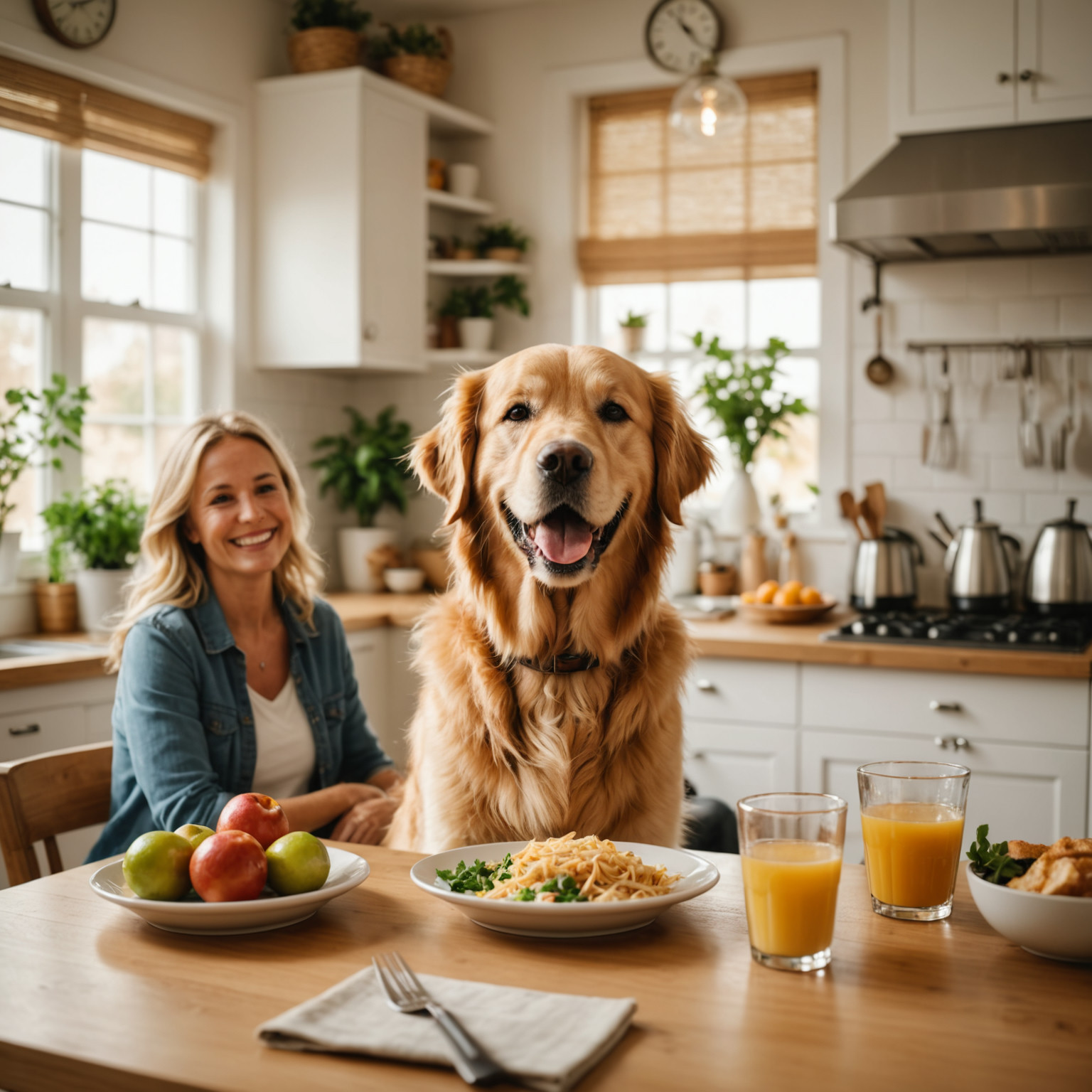
Pet Humanization: The Complete Guide to Raising Your Dog Like a Family Member
There's a good reason why so many of us refer to our dogs as our "fur babies" — because that's exactly how we treat them. The concept of pet humanization isn't just a trend; it's a genuine shift in how modern dog parents think about, care for, and connect with their canine companions. From sharing the couch to celebrating birthdays with dog-friendly cakes, raising your dog like a family member has become a deeply meaningful way of life for millions of households around the world.
At Happy Paw Studio, we believe that dogs deserve to be treated with love, respect, and thoughtful care. This guide is here to help you do exactly that — in ways that are healthy, balanced, and genuinely good for your pup. Whether you're a new dog parent or a seasoned pro looking to deepen your bond, you'll find practical, heartfelt advice throughout.
Please note: While this guide covers general wellness and lifestyle tips for your dog, it is not a substitute for professional veterinary advice. Always consult your vet for health-related decisions specific to your dog.
- What Is Pet Humanization?
- Creating a Home Environment Your Dog Loves
- Nutrition: Feeding Your Dog Like Family
- Emotional Wellbeing and Mental Stimulation
- Socialization and Building Relationships
- Celebrating Milestones and Special Moments
- Setting Healthy Boundaries While Still Spoiling Them
- Frequently Asked Questions
- Conclusion
What Is Pet Humanization?
Pet humanization refers to the growing practice of treating pets — especially dogs — as full members of the family rather than simply as animals we own. This includes everything from buying them premium food and scheduling regular wellness checkups, to including them in family photos, vacations, and holiday traditions.
This shift reflects something beautiful: a deeper understanding that dogs are emotionally intelligent, socially bonded creatures who thrive when they feel loved and included. Research from organizations like the American Kennel Club (AKC) consistently highlights that dogs form strong emotional attachments to their human families, much like children do with their caregivers.
Treating your dog like a family member isn't about projecting human emotions onto them in ways that confuse or stress them out — it's about honoring their needs, their personality, and their place in your life with genuine care and intention.
Creating a Home Environment Your Dog Loves
Designing Dog-Friendly Spaces
Your home is your dog's whole world, so making it comfortable and safe is one of the most loving things you can do. Think about your dog's daily experience: Do they have a cozy spot to rest? Can they see out a window? Is there a safe space they can retreat to when they need quiet time?
Consider setting up a dedicated dog corner with a quality orthopedic bed, their favorite toys, and a water bowl nearby. Dogs, like people, benefit from having a space that feels truly their own.
Safety First
Pet-proofing your home is just as important as baby-proofing. Keep toxic plants, cleaning products, and small objects out of reach. The ASPCA maintains a comprehensive list of plants and household items that are dangerous to dogs — it's worth bookmarking.
Including Them in Daily Routines
Dogs are creatures of habit and thrive on routine. Including your dog in your daily rhythms — morning walks, evening wind-downs, weekend adventures — gives them a sense of security and belonging. Even something as simple as letting your dog sit near you while you work from home can strengthen your bond significantly.
Nutrition: Feeding Your Dog Like Family
Choosing High-Quality Food
One of the most impactful ways to care for your dog like a family member is through thoughtful nutrition. Just as you wouldn't feed your kids fast food every single day, your dog deserves meals that genuinely nourish them.
Look for dog foods that list a real protein source (like chicken, beef, or salmon) as the first ingredient. Avoid foods with excessive fillers, artificial preservatives, or vague ingredient labels. Your veterinarian can help you choose a diet that's appropriate for your dog's age, breed, and health status.
Healthy Treats and Snacks
Sharing food is one of the most universal expressions of love — and with dogs, it's no different. The good news is there are plenty of human foods that are safe and healthy for dogs, including carrots, blueberries, plain cooked chicken, and watermelon (without seeds or rind).
Always check before sharing, though. Foods like grapes, onions, chocolate, and xylitol (found in many sugar-free products) are toxic to dogs and should never be given.
Mindful Portion Control
Loving your dog like family also means protecting their long-term health. Obesity in dogs is a serious and common issue that can lead to joint problems, diabetes, and a shortened lifespan. Follow your vet's feeding guidelines and resist the urge to overfeed, even when those puppy eyes are working overtime.
Emotional Wellbeing and Mental Stimulation
Understanding Your Dog's Emotions
Dogs experience a rich emotional life. They feel joy, fear, anxiety, boredom, and deep affection. Recognizing and responding to your dog's emotional cues is at the heart of raising them like a true family member.
Pay attention to body language — a wagging tail, relaxed ears, and a loose posture signal happiness, while tucked tails, yawning, and avoidance can indicate stress or discomfort. The more you tune in, the stronger your communication becomes.
Mental Enrichment Activities
A bored dog is often a destructive dog — not because they're misbehaving, but because their minds need stimulation. Incorporate puzzle feeders, sniff walks, training sessions, and interactive toys into your dog's routine. Even 10–15 minutes of mental enrichment per day can make a noticeable difference in your dog's mood and behavior.
The Power of Quality Time
Dogs don't need expensive gifts — they need you. Dedicated one-on-one time, whether it's a long walk, a cuddle session, or a game of fetch in the backyard, fills your dog's emotional cup in ways that nothing else can. Think of it as quality time, just like you'd prioritize with any family member.
Socialization and Building Relationships
Socializing with People and Other Dogs
A well-socialized dog is a confident, happy dog. Exposing your pup to a variety of people, environments, sounds, and other animals — especially during their early months — helps them grow into emotionally balanced adults.
Dog parks, puppy classes, and playdates with other friendly dogs are all wonderful ways to build your dog's social skills. Just be sure to read your dog's comfort level and never force interactions that cause them stress.
Building Trust Through Training
Positive reinforcement training isn't just about teaching commands — it's about building a language between you and your dog. When your dog learns that good behavior leads to praise, treats, and affection, they feel safe and understood. That trust is the foundation of a truly close relationship.
Consider working with a certified professional dog trainer if you're navigating behavioral challenges. It's an investment in your relationship that pays off for years to come.
Celebrating Milestones and Special Moments
One of the most joyful aspects of pet humanization is celebrating your dog's life the way you would any beloved family member. Birthdays, adoption anniversaries (often called "Gotcha Days"), and even seasonal holidays can all be occasions to show your pup some extra love.
Dog-friendly birthday cakes made from peanut butter and banana, a new toy wrapped in crinkly paper, or a special outing to their favorite trail — these moments create memories and reinforce the bond you share.
You don't need to go overboard (and your dog certainly won't mind if you keep it simple), but marking these milestones is a beautiful way to honor the relationship.
Setting Healthy Boundaries While Still Spoiling Them
Here's something important that often gets overlooked in the pet humanization conversation: dogs still need to be dogs. As much as we love treating them like family, our pups also need structure, clear boundaries, and consistent leadership to feel truly secure.
Allowing your dog on the furniture is perfectly fine — as long as it's a choice you've made intentionally and consistently. The same goes for sleeping in your bed, eating at mealtimes, or joining you on outings. The key is that you set the rules, and your dog understands them.
Dogs who lack structure can develop anxiety, resource guarding, or behavioral issues — not because they're spoiled, but because they're confused about their role. Loving your dog like family means giving them both affection and the guidance they need to feel safe and confident in their world.
Frequently Asked Questions
Is it okay to treat my dog like a human?
Absolutely — with some mindfulness. Treating your dog with love, inclusion, and high-quality care is wonderful. Just be sure their needs as a dog (exercise, socialization, structure) are also being met alongside the pampering.
Can sleeping with my dog be harmful?
For most healthy adults and dogs, co-sleeping is perfectly safe and can even strengthen your bond. However, it's worth discussing with your vet if either you or your dog has health concerns, allergies, or behavioral issues.
What are the best ways to bond with my dog?
Daily walks, training sessions, playtime, and simply spending calm time together are among the most effective bonding activities. Consistency and positive interactions are what matter most.
How do I know if I'm spoiling my dog too much?
If your dog is showing signs of anxiety, demanding behavior, or difficulty following basic cues, it may be time to reintroduce some structure. Spoiling with love is great — spoiling without boundaries can create stress for your pup.
Do dogs really understand that they're part of the family?
Research suggests that dogs are highly attuned to their human families and form deep social bonds. While they may not understand the concept of "family" the way we do, they absolutely recognize belonging, safety, and love.
Conclusion
Raising your dog like a family member is one of the most rewarding journeys you can take. It means showing up for them every day — with good food, quality time, thoughtful care, and a whole lot of love. It means learning their language, honoring their needs, and making space for them in the full fabric of your life.
At Happy Paw Studio, we're here to walk every step of that journey with you. Because your dog isn't just a pet — they're family. And family deserves the very best.
Have a tip, a story, or a question about raising your dog like a family member? Drop it in the comments below — we'd love to hear from you! 🐾
Sources
- American Kennel Club (AKC) — Supports claims about dogs forming strong emotional attachments to their human families and general breed and behavior guidance. akc.org
- ASPCA (American Society for the Prevention of Cruelty to Animals) — Referenced for information on household toxins, toxic plants, and foods dangerous to dogs. aspca.org
- VCA Animal Hospitals — General reference for dog nutrition guidelines, obesity risks, and veterinary wellness recommendations. vcahospitals.com
- PetMD — General reference for dog emotional wellbeing, mental enrichment, and safe human foods for dogs. petmd.com
- Association of Professional Dog Trainers (APDT) — Referenced for positive reinforcement training principles and the value of certified professional trainers. apdt.com
Get Printable Dog Planners & Trackers at Happy Paw Studio
Looking for instant printable dog health logs, pet care planners, and daily routine journals? Visit our Etsy store to download yours today!
Shop HappyPawStudio1 on Etsy →