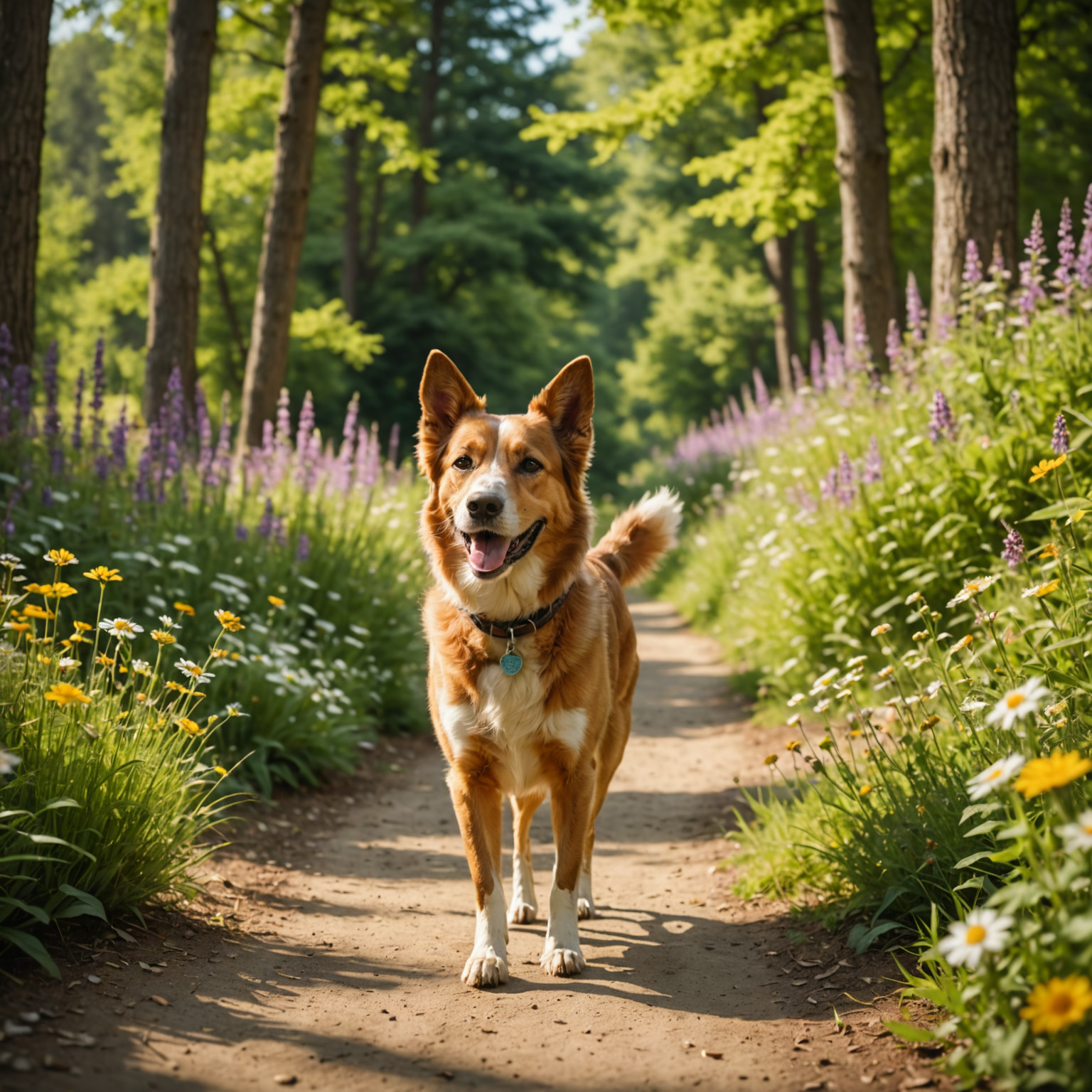
Sniffari Tips: How to Let Your Dog Lead the Walk (And Why It's Good for Both of You)
There's a moment most dog parents know well — you're halfway down the block, leash in hand, mentally running through your to-do list, and your dog has planted all four paws firmly on the ground to investigate a single blade of grass. Your first instinct might be to give a gentle tug and keep moving. But what if that pause was actually the whole point?
Welcome to the world of sniffaris — dog-led walks designed around your pup's nose, curiosity, and natural pace. Instead of walking your dog, you let your dog walk you. It sounds simple, but this small shift in perspective can transform your daily walks into something genuinely enriching for your dog and surprisingly calming for you.
At Happy Paw Studio, we're big believers in slowing down and tuning into what our dogs actually need. And what they need, more than a brisk mile around the block, is time to sniff, explore, and just be a dog. In this guide, we're sharing our best sniffari tips to help you embrace dog-led walks and the beautiful, unhurried lifestyle that comes with them.
- What Is a Sniffari?
- Why Sniffing Is So Important for Dogs
- How Sniffaris Benefit You Too
- How to Start a Sniffari: Step-by-Step Tips
- Best Gear for Dog-Led Walks
- Sniffari Ideas for Different Dogs
- Common Mistakes to Avoid
- Frequently Asked Questions
What Is a Sniffari?
A sniffari is a slow, dog-led walk where your pup sets the pace, chooses the direction (within safe limits), and spends as much time sniffing as they want. The term is a playful blend of "sniff" and "safari" — and it perfectly captures the spirit of the thing. For your dog, every walk through the neighborhood is a wild expedition full of invisible stories written in scent.
Unlike a structured walk focused on exercise or training, a sniffari is about mental enrichment and freedom. There's no destination, no time pressure, and no agenda. You follow your dog's lead, let them linger over that fire hydrant for as long as they like, and resist the urge to rush.
It's slow living, dog-style — and it's catching on for very good reason.
Why Sniffing Is So Important for Dogs
To understand why sniffaris matter, you first need to appreciate just how extraordinary your dog's nose really is. Dogs have up to 300 million olfactory receptors in their noses, compared to about 6 million in humans. The part of their brain dedicated to analyzing smells is proportionally about 40 times larger than ours.
In other words, your dog experiences the world almost entirely through scent. Every lamppost, patch of grass, and muddy puddle is a rich source of information — who passed by, what they ate, how they were feeling, whether they were healthy or stressed. A walk without sniffing is a bit like scrolling through social media with the screen turned off.
Beyond the sensory experience, sniffing has real mental health benefits for dogs:
- It's mentally tiring in the best way. A 20-minute sniffari can leave your dog more satisfied and calm than a 45-minute power walk. Mental stimulation is just as important as physical exercise.
- It reduces stress and anxiety. Research in animal behavior has shown that allowing dogs to sniff freely can lower their heart rate and help them feel more relaxed and in control.
- It builds confidence. Letting your dog make choices — even small ones like which direction to sniff next — supports their sense of agency and emotional wellbeing.
- It satisfies natural instincts. Dogs are natural foragers and trackers. Sniffing fulfills deep-rooted behavioral needs that a structured walk simply doesn't address.
How Sniffaris Benefit You Too
Here's the part that surprises most dog parents: sniffaris aren't just good for your dog. They're genuinely good for you.
When you stop rushing and start following your dog's lead, something shifts. You start noticing things — the way the light hits the leaves, the sound of birds you'd normally tune out, the neighbor's garden you've walked past a hundred times without really seeing. Dog-led walks have a way of pulling you into the present moment in a way that's almost meditative.
This kind of slow, mindful walking has been linked to reduced cortisol levels, lower blood pressure, and improved mood. It's a form of gentle mindfulness practice that doesn't require a yoga mat or a meditation app — just a leash and a willingness to let your dog be your guide.
There's also something quietly joyful about watching your dog be completely, unself-consciously happy. That joy is contagious.
How to Start a Sniffari: Step-by-Step Tips
Ready to try your first sniffari? Here's how to make it a success from the very first outing.
1. Set Your Intention Before You Leave
Before you clip on the leash, remind yourself: this walk is for my dog. There's no distance goal, no pace to maintain. Give yourself permission to be slow. If you're someone who usually uses walks to decompress or get steps in, try scheduling your sniffari separately from your exercise walk so neither one feels compromised.
2. Choose a Low-Pressure Time and Place
Start somewhere familiar and relatively quiet — your neighborhood, a local park, or a trail you both know well. Avoid busy streets or high-traffic areas where you'll be constantly redirecting your dog for safety. The goal is to give them as much freedom as possible within a safe environment.
3. Let Your Dog Choose the Direction
Instead of heading out with a route in mind, let your dog pick which way to go at each corner or fork in the path. You're the safety net — you'll steer them away from traffic or hazards — but otherwise, follow their nose.
4. Give Them Time to Sniff Without Interruption
This is the heart of the sniffari. When your dog stops to sniff, just... stop. Stand quietly, breathe, look around. Don't check your phone. Don't tug the leash after 10 seconds. Let them finish. You might be surprised how long they want to linger — and how quickly you start to relax into it.
5. Use a Cue to Signal Sniffari Mode
Some dog parents find it helpful to use a specific cue — like "go sniff" or "free time" — to signal that this walk is different from a structured one. Over time, your dog will learn that this phrase means they have more freedom, which can actually make your regular training walks easier to manage too.
6. Keep It Positive and Pressure-Free
Don't correct your dog for sniffing "too long" or for wanting to double back. The whole point is to follow their lead. If they want to spend five minutes on one spot, that's a five-minute sniff. Trust the process.
Best Gear for Dog-Led Walks
A few simple gear upgrades can make sniffaris more comfortable and enjoyable for both of you.
- A longer leash: A 10–15 foot long line (used safely in appropriate areas) gives your dog more freedom to explore without being off-leash. Make sure you're in a safe, open space before using one.
- A comfortable harness: A well-fitted harness is gentler on your dog's neck and throat, especially if they pull toward interesting smells. Look for a front-clip or back-clip harness depending on your dog's needs.
- Comfortable shoes for you: You'll be stopping and starting a lot, so wear something you can stand in comfortably for 20–30 minutes.
- A treat pouch: Bring a few high-value treats to reward calm, happy behavior and reinforce the positive association with sniffari time.
Sniffari Ideas for Different Dogs
Not all dogs sniff the same way, and that's part of the fun. Here are some sniffari variations to try based on your dog's personality and energy level.
- For high-energy dogs: Try a sniffari in a new environment — a different park, a nature trail, or even a pet-friendly store. Novel smells will engage their brain and help burn mental energy.
- For anxious or reactive dogs: Stick to quieter times and familiar routes at first. The goal is to build positive associations with slow, pressure-free exploration. Gradually introduce new environments as their confidence grows.
- For senior dogs: Sniffaris are perfect for older pups who may not be up for long walks but still crave mental stimulation. Even a short, slow wander around the yard counts.
- For small dogs: Urban sniffaris work beautifully for small breeds. Let them explore at ground level — they're picking up a whole world of information down there.
Common Mistakes to Avoid
Even with the best intentions, it's easy to slip into old habits. Watch out for these common sniffari pitfalls:
- Rushing the sniff. If you're tugging the leash after 30 seconds, you're not really doing a sniffari. Practice patience — it gets easier.
- Bringing your phone out. It's tempting, but scrolling while your dog sniffs defeats the purpose for you. Try to be present.
- Choosing a route that's too busy. High-traffic areas mean constant interruptions and safety redirects. Start somewhere calm.
- Expecting it to replace all exercise. Sniffaris are enrichment, not cardio. Most dogs still need regular physical exercise alongside their mental stimulation.
Frequently Asked Questions
How long should a sniffari be?
Even 15–20 minutes is enough to provide meaningful mental enrichment. You don't need to block out hours — just enough time to let your dog truly explore without feeling rushed.
Can I do a sniffari every day?
Absolutely! Daily sniffaris are a wonderful habit. They're low-effort for you and deeply satisfying for your dog. Many dog parents find that regular sniffaris lead to a calmer, more settled dog at home.
Is a sniffari the same as off-leash time?
Not necessarily. Most sniffaris are done on a leash — just a longer, looser one. The key difference from a regular walk is the pace and the freedom to follow your dog's nose rather than a set route.
My dog doesn't seem interested in sniffing. Is that normal?
Some dogs, especially those who've been trained to walk briskly or who are anxious in outdoor environments, may need time to "unlock" their sniffing behavior. Try starting in a calm, familiar space and using a cue like "go sniff" paired with a treat to encourage exploration.
Can sniffaris help with leash reactivity?
Sniffing can help lower arousal levels, which may support dogs who struggle with reactivity. However, if your dog has significant reactivity issues, it's worth working with a certified professional trainer or behaviorist alongside incorporating sniffaris.
Slow Down, Follow the Nose
There's a quiet kind of magic in letting your dog lead the way. When you trade the brisk, purposeful walk for a slow, nose-first wander, you're not just giving your dog a gift — you're giving yourself one too. A few minutes of genuine presence, a little more connection, and a reminder that sometimes the best thing you can do is stop and smell the... well, everything.
Start small. Pick a calm morning, clip on the leash, and let your dog show you what they've been noticing all along. We think you'll be surprised by how much you've been missing.
We'd love to hear how your first sniffari goes! Share your experience in the comments or tag us on social media — nothing makes our day like seeing happy dogs doing exactly what dogs do best.
Sources
- Alexandra Horowitz, "Being a Dog: Following the Dog Into a World of Smell" — Supports claims about the dog's olfactory system, including the number of scent receptors and the brain's smell-processing capacity.
- American Kennel Club (AKC) — akc.org — General reference for information on canine behavior, mental enrichment, and the importance of sniffing for dogs.
- VCA Animal Hospitals — vcahospitals.com — Reference for information on mental stimulation, behavioral enrichment, and canine stress reduction.
- ASPCA — aspca.org — General reference for dog wellbeing, enrichment activities, and positive reinforcement practices.
- Journal of Veterinary Behavior — Supports the claim that allowing dogs to sniff freely during walks is associated with improved mood and reduced stress indicators in dogs.
Get Printable Dog Planners & Trackers at Happy Paw Studio
Looking for instant printable dog health logs, pet care planners, and daily routine journals? Visit our Etsy store to download yours today!
Shop HappyPawStudio1 on Etsy →