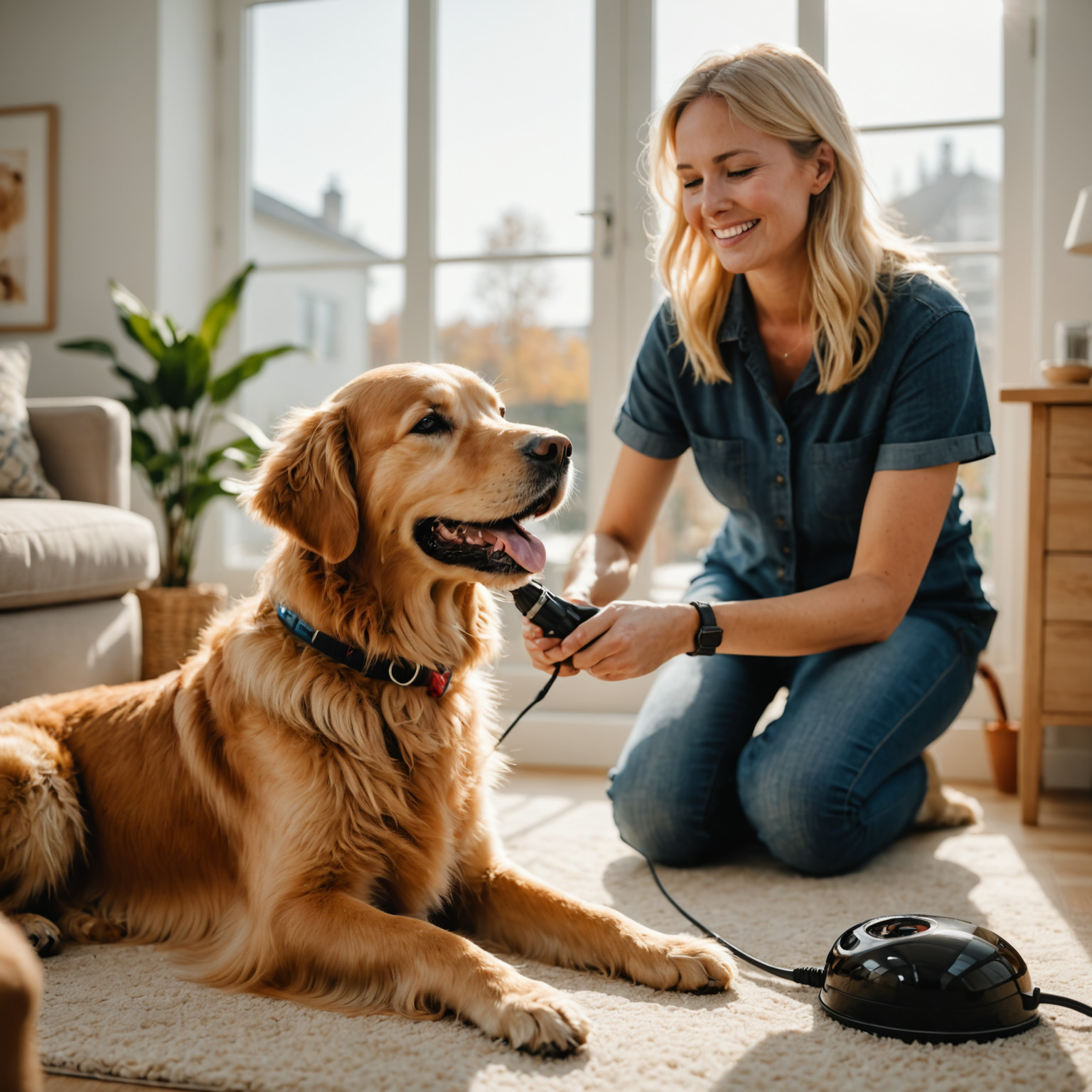
Best Low-Noise & Anxiety-Free Grooming Tools for Dogs: A Complete Comparison
If your dog tucks their tail and bolts the moment they hear the buzz of a clipper, you're definitely not alone. Grooming anxiety is one of the most common challenges dog parents face, and the tools you choose can make an enormous difference in how your pup experiences the whole process. The good news? The pet industry has come a long way, and today there are genuinely impressive low-noise and anxiety-free grooming tools designed with sensitive dogs in mind.
In this comparison guide, we're breaking down the best options across different grooming categories — from clippers and dryers to brushes and nail grinders — so you can find the right fit for your dog's needs and temperament. Whether you have a nervous rescue, a sound-sensitive senior, or just a drama queen who hates bath day, this guide is for you.
Please note: While this article focuses on grooming tools and comfort techniques, it is not a substitute for professional veterinary advice. If your dog shows extreme anxiety, aggression, or stress during grooming, consult your veterinarian or a certified animal behaviorist for personalized guidance.
- Why Noise Matters During Dog Grooming
- What to Look for in Anxiety-Free Grooming Tools
- Low-Noise Clippers: Top Picks Compared
- Quiet Dog Dryers: Keeping the Calm After the Bath
- Gentle Nail Grinders vs. Clippers
- Anxiety-Friendly Brushes and Deshedding Tools
- Tips for Making Grooming Less Stressful
- Frequently Asked Questions
- Conclusion
Why Noise Matters During Dog Grooming
Dogs have hearing that is significantly more sensitive than ours — they can detect frequencies roughly four times higher than humans and hear sounds from much farther away. This means the hum of a standard clipper or the roar of a high-velocity dryer that seems tolerable to us can feel genuinely overwhelming to a dog.
When a dog is repeatedly exposed to loud, startling sounds during grooming, they can develop a negative association with the entire experience. Over time, this can escalate from mild squirming to full-blown panic, making grooming sessions stressful for both of you. Choosing quieter, gentler tools isn't just a luxury — it's a meaningful way to protect your dog's emotional wellbeing and build trust.
What to Look for in Anxiety-Free Grooming Tools
Before we dive into specific product comparisons, here are the key features to prioritize when shopping for low-noise grooming tools:
- Decibel level: Look for clippers and dryers that advertise low dB ratings. Many quality low-noise clippers operate under 50–60 dB.
- Vibration level: Even quiet tools can cause anxiety if they vibrate heavily. Low-vibration motors are a big plus.
- Speed settings: Variable speeds let you start slow and gentle, helping your dog acclimate gradually.
- Ergonomic design: Lightweight, easy-to-hold tools reduce the chance of slipping or sudden movements that can startle your dog.
- Cordless options: Cords can be distracting and limiting. Cordless tools give you more freedom to work calmly and smoothly.
Low-Noise Clippers: Top Picks Compared
Clippers are often the biggest source of grooming anxiety, so this is where investing in a quality low-noise option pays off the most.
Wahl Bravura Lithium Clipper
The Wahl Bravura is a favorite among professional groomers and home users alike. It features a quiet, low-vibration motor that runs noticeably smoother than budget clippers. It's cordless, lightweight, and comes with adjustable blade sizes — making it versatile for different coat types. The sound level is gentle enough that many dogs who previously panicked at clippers tolerate it much better.
Best for: Medium to long coats, dogs with moderate grooming anxiety
Oneisall Dog Clippers (Low Noise)
Oneisall has built a strong reputation specifically for anxious dogs. Their low-noise clippers are marketed directly toward pet owners dealing with sound-sensitive pets, and they deliver on that promise. They're affordable, rechargeable, and come with multiple guard combs. The motor is whisper-quiet compared to standard clippers, though they work best on lighter coats.
Best for: Small breeds, fine or short coats, budget-conscious pet parents
Andis ProClip AGC2
For dogs with thick or double coats, the Andis ProClip offers professional-grade power while still being quieter than many comparable heavy-duty clippers. It's a corded option, so it's better suited for longer grooming sessions where battery life could be a concern.
Best for: Large breeds, thick or double coats, experienced home groomers
Quiet Dog Dryers: Keeping the Calm After the Bath
High-velocity dryers are notoriously loud, and for many dogs, the dryer is scarier than the bath itself. Fortunately, there are gentler alternatives.
Shernbao Low-Noise Pet Dryer
Shernbao offers a pet dryer specifically designed with noise reduction in mind. It uses a quieter motor and produces a warm, steady airflow rather than a blasting force. It takes a bit longer to dry thick coats, but the trade-off in reduced stress is well worth it for anxious dogs.
Best for: Anxious dogs, small to medium breeds
Metro Air Force Commander
This is a step up in power but still quieter than many professional-grade dryers. It has variable speed settings, which is key — you can start on the lowest setting to let your dog get used to the sound and sensation before gradually increasing airflow.
Best for: Medium to large breeds, dogs who need full drying after baths
Handheld Human Hair Dryer (Low Heat Setting)
Don't overlook this simple option. For small dogs or dogs with shorter coats, a standard human hair dryer on the lowest heat and speed setting can work perfectly well — and many dogs find the familiar, softer sound less alarming than a dedicated pet dryer.
Best for: Small dogs, short coats, dogs already familiar with human hair dryers
Gentle Nail Grinders vs. Clippers
Nail trimming is often the most dreaded part of grooming — for dogs and owners alike. The debate between grinders and clippers comes down to your dog's specific sensitivities.
Nail Grinders
Nail grinders like the Dremel 7300-PT or Casfuy Dog Nail Grinder use a rotating file to gradually wear down the nail rather than cutting it. This eliminates the pressure and "snap" sensation that many dogs find alarming with clippers. The trade-off is that grinders do produce a low buzzing sound and vibration, which some dogs dislike.
- Pros: No risk of cutting the quick, smooth finish, gradual and controlled
- Cons: Sound and vibration may bother some dogs, takes longer
Nail Clippers
For dogs who are more sensitive to sound and vibration than to pressure, a good pair of sharp, quiet nail clippers — like the Epica Professional Pet Nail Clipper — can be the better choice. Dull clippers crush rather than cut, which is painful and anxiety-inducing, so sharpness matters enormously here.
- Pros: Quick, no noise, no vibration
- Cons: Risk of cutting the quick, requires confidence and practice
Our take: Start with whichever your dog seems more comfortable with, and use high-value treats to build a positive association from the very first session.
Anxiety-Friendly Brushes and Deshedding Tools
Brushing is often the easiest grooming task to make pleasant — but the wrong brush can cause discomfort and resistance.
FURminator Deshedding Tool
The FURminator is a classic for a reason. It reaches through the topcoat to remove loose undercoat fur without cutting the healthy coat. It's quiet, requires no power, and most dogs actually enjoy the sensation once they're used to it. Use gentle, slow strokes to keep the experience calm.
Best for: Double-coated breeds, heavy shedders
Hertzko Self-Cleaning Slicker Brush
This brush features fine, bent wire bristles that glide through the coat without pulling or scratching. The self-cleaning button makes it easy to remove collected fur without tugging. It's gentle enough for sensitive dogs and works on most coat types.
Best for: Most coat types, everyday brushing, sensitive skin
Rubber Curry Brush or Grooming Glove
For dogs who are very touch-sensitive or new to grooming, a rubber curry brush or grooming glove is the gentlest starting point. The soft rubber nubs feel more like a massage than a grooming session, making it a wonderful desensitization tool.
Best for: Puppies, rescue dogs, touch-sensitive dogs, short coats
Tips for Making Grooming Less Stressful
Even the quietest tools won't work magic if the overall grooming environment feels threatening to your dog. Here are a few strategies that genuinely help:
- Desensitize gradually. Introduce tools while they're turned off first. Let your dog sniff and investigate before you turn anything on.
- Use high-value treats. Pair every grooming tool with something your dog loves — small pieces of chicken, cheese, or their favorite treat.
- Keep sessions short. Especially at first, five minutes of calm grooming is far more valuable than a stressful 30-minute session.
- Choose the right time. Groom after exercise when your dog is naturally calmer and more relaxed.
- Stay calm yourself. Dogs are incredibly attuned to our energy. If you're tense, they'll feel it.
Frequently Asked Questions
What is the quietest dog clipper available?
Several brands specifically design low-noise clippers for anxious pets. The Oneisall Low-Noise Clippers and Wahl Bravura are consistently praised for their quiet motors and are popular choices among dog parents with sound-sensitive dogs.
Can grooming anxiety get better over time?
Yes, absolutely. With consistent positive reinforcement, gradual desensitization, and the right tools, many dogs become significantly more comfortable with grooming over time. Patience and consistency are key.
Is a nail grinder or clipper better for anxious dogs?
It depends on the individual dog. Some anxious dogs prefer grinders because there's no sudden pressure or snapping sound. Others are more bothered by the buzzing vibration. Try both with plenty of treats and observe your dog's reaction.
How do I know if my dog's grooming anxiety is severe enough to need professional help?
If your dog snaps, bites, trembles uncontrollably, or shows signs of extreme distress during grooming, it's worth speaking with your veterinarian. They may recommend behavioral support, calming supplements, or in some cases, sedation-assisted grooming.
Are there calming products that help alongside low-noise tools?
Many dog parents find that calming aids like Adaptil pheromone diffusers, calming chews, or anxiety wraps (like a Thundershirt) can complement a low-noise grooming routine. Always check with your vet before introducing new supplements.
Wrapping It Up: Grooming Should Feel Safe for Your Dog
Grooming doesn't have to be a battle. By choosing tools designed with your dog's comfort in mind — quieter motors, lower vibration, gentler designs — you're already taking a huge step toward making the experience something your pup can tolerate, and maybe even enjoy.
At Happy Paw Studio, we believe that every grooming session is an opportunity to strengthen the bond between you and your dog. Start slow, stay patient, celebrate the small wins, and remember: the right tools really do make all the difference.
Have a tool that's worked wonders for your anxious pup? We'd love to hear about it in the comments below!
Sources
- American Kennel Club (AKC) — General guidance on dog grooming best practices and managing grooming anxiety in dogs. akc.org
- VCA Animal Hospitals — Information on canine hearing sensitivity and how sound affects dog behavior and stress responses. vcahospitals.com
- PetMD — Recommendations on nail trimming techniques, the risk of cutting the quick, and reducing nail trimming anxiety. petmd.com
- ASPCA — Guidance on desensitization and counterconditioning techniques for anxious dogs during handling and grooming. aspca.org
- Wahl Professional Animal — Product specifications and motor noise level information for the Bravura Lithium Clipper. wahlpro.com
Get Printable Dog Planners & Trackers at Happy Paw Studio
Looking for instant printable dog health logs, pet care planners, and daily routine journals? Visit our Etsy store to download yours today!
Shop HappyPawStudio1 on Etsy →