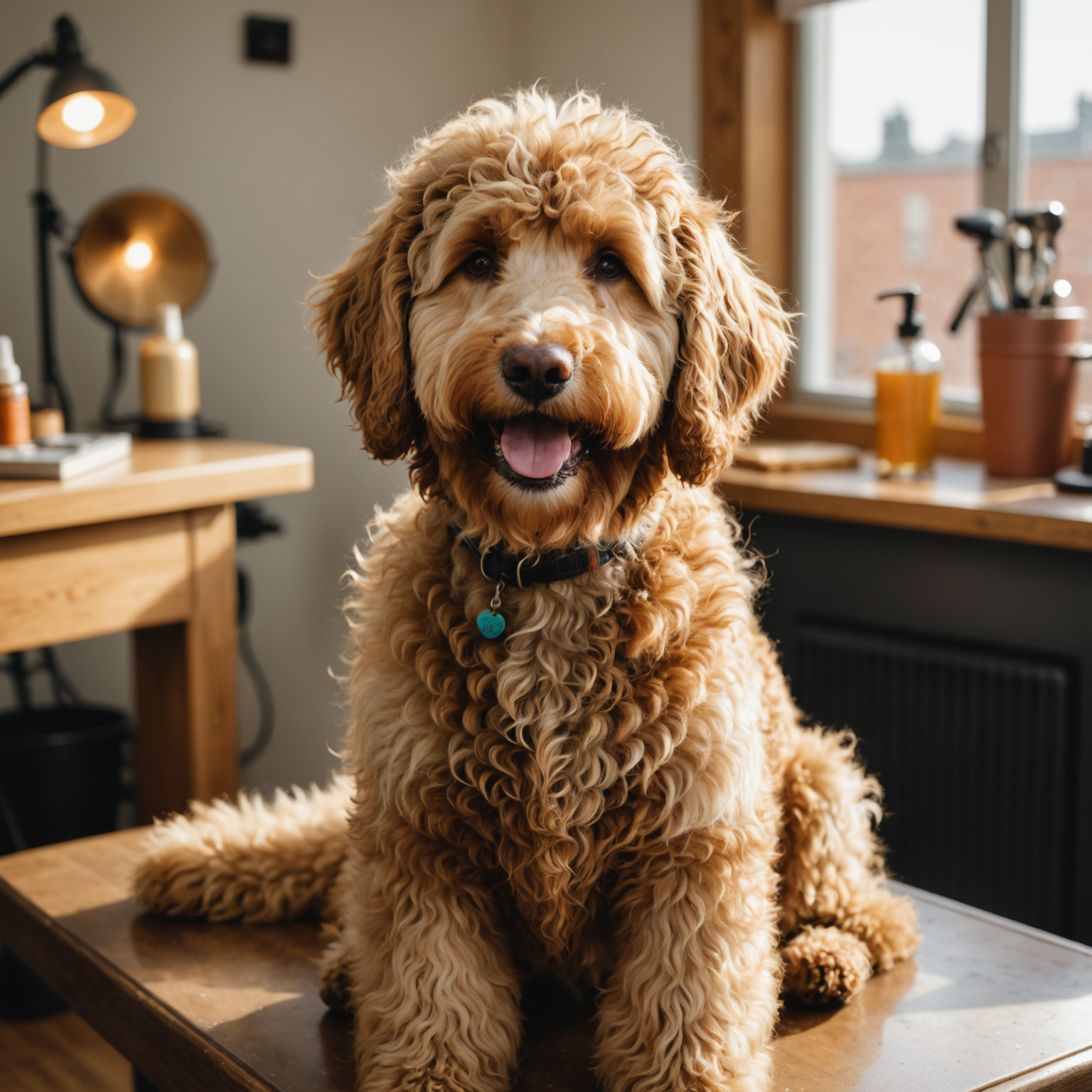
The Ultimate Doodle Dog Grooming Checklist for Goldendoodles & Bernedoodles
If you share your home with a Goldendoodle or Bernedoodle, you already know that their gorgeous, fluffy coats are one of their most lovable features — and also one of their most demanding ones. Those beautiful waves and curls don't stay tangle-free on their own, and without a consistent grooming routine, even the fluffiest doodle can end up with painful mats, skin irritation, and a very unhappy trip to the groomer.
The good news? Keeping your doodle looking and feeling their best doesn't have to be overwhelming. With the right tools, a solid routine, and a little know-how, grooming your Goldendoodle or Bernedoodle at home can actually become a bonding experience you both enjoy. This checklist breaks everything down into simple, manageable steps so nothing gets missed — whether you're a first-time doodle parent or a seasoned pro looking to level up your routine.
Please note: This article is intended for general grooming guidance only. If your dog has skin conditions, allergies, or other health concerns, always consult your veterinarian before introducing new grooming products or practices.
- Why Doodle Coats Need Special Attention
- Essential Grooming Tools for Doodles
- The Complete Doodle Grooming Checklist
- Daily Grooming Tasks
- Weekly Grooming Tasks
- Monthly Grooming Tasks
- Every 6–8 Weeks: Professional or Full Groom
- Tips for Grooming a Doodle at Home
- Common Doodle Grooming Mistakes to Avoid
- Frequently Asked Questions
Why Doodle Coats Need Special Attention
Goldendoodles and Bernedoodles are hybrid breeds, typically crossing a Poodle with a Golden Retriever or Bernese Mountain Dog respectively. Because of this mixed heritage, their coats can vary widely — from loose, wavy coats to tight, curly ones — and many doodles inherit a combination of both parent breeds' coat characteristics.
Poodle-influenced coats are known for being low-shedding, which is part of why doodles are so popular among allergy-sensitive families. However, low-shedding doesn't mean low-maintenance. Instead of falling out naturally, loose hairs get trapped within the coat, which leads to matting if not brushed out regularly. Add in the natural oils, dirt, and moisture that accumulate in a thick doodle coat, and you've got a recipe for tangles that can become tight, painful mats very quickly.
Understanding your specific doodle's coat type is the first step to building a grooming routine that actually works for them.
Essential Grooming Tools for Doodles
Before diving into the checklist, make sure you have the right tools on hand. Using the wrong brush or clipper on a doodle coat can cause breakage, discomfort, or missed tangles.
Must-Have Tools:
- Slicker brush – Great for everyday brushing and removing surface tangles
- Metal greyhound comb – Essential for checking that you've brushed all the way down to the skin, not just the top layer
- Dematting comb or tool – Helpful for working through stubborn knots gently
- Pin brush – Good for fluffing and finishing after a bath
- Dog-safe nail clippers or a nail grinder – For regular nail maintenance
- Dog ear cleaning solution – Doodles are prone to ear infections due to hair growth inside the ear canal
- Hemostatic powder – In case of accidental nail nicks
- Dog-formulated shampoo and conditioner – Look for moisturizing formulas suited to curly or wavy coats
- High-velocity dog dryer or a quiet blow dryer – Helps prevent moisture from getting trapped near the skin
- Dog clippers with multiple guard sizes – For at-home trims between professional grooms
The Complete Doodle Grooming Checklist
Daily Grooming Tasks
Daily grooming doesn't have to take long — even five to ten minutes a day can make a huge difference in preventing mats and keeping your doodle comfortable.
- Brush high-friction areas – Focus on spots where mats form fastest: behind the ears, under the collar, in the armpits, around the groin, and behind the legs. These areas rub constantly and tangle quickly.
- Check for debris – After outdoor time, quickly scan your doodle's coat for burrs, sticks, mud clumps, or anything else that could work its way into the fur and cause tangles.
- Wipe the face – Doodles often have hair that grows close to their eyes. Use a damp cloth or dog-safe eye wipe to gently clean tear stains and keep the area around the eyes clear.
- Check paw pads – Look for cracking, debris between the toes, or overgrown hair on the paws that can collect dirt and ice in colder months.
Weekly Grooming Tasks
Once a week, set aside 20–30 minutes for a more thorough grooming session.
- Full body brush-out – Work through the entire coat in sections using your slicker brush, then follow up with the metal comb to confirm you've reached the skin. If the comb glides through easily, you're mat-free. If it catches, keep working.
- Check and clean ears – Doodles are particularly prone to ear infections because their floppy ears trap moisture and their Poodle genetics often mean hair grows inside the ear canal. Use a vet-approved ear cleaning solution and cotton balls to gently clean the outer ear. Never insert anything deep into the ear canal.
- Inspect the skin – While brushing, keep an eye out for redness, flakiness, bumps, or any signs of irritation. Catching skin issues early makes them much easier to address.
- Trim around the eyes – Use blunt-tipped scissors to carefully trim any hair that's falling into your doodle's eyes. This is important for both comfort and preventing eye irritation.
- Check nails – If you can hear your dog's nails clicking on hard floors, it's time for a trim. Most doodles need nail trims every two to four weeks.
Monthly Grooming Tasks
Once a month, plan for a more involved grooming session that includes bathing and a light trim.
- Full bath – Use a dog-formulated shampoo and follow with a moisturizing conditioner. Rinse thoroughly — leftover product can cause skin irritation. Bathe your doodle no more than once every three to four weeks unless they've gotten into something particularly messy, as over-bathing can strip natural oils from the coat.
- Blow dry completely – This step is non-negotiable for doodles. Allowing a thick doodle coat to air dry can leave moisture trapped near the skin, which creates the perfect environment for hot spots and skin infections. Use a dryer on a low, warm setting and brush as you dry to prevent new tangles from forming.
- Trim paw hair – Use scissors or clippers to trim the hair between and around the paw pads. This prevents slipping on smooth floors and reduces the amount of dirt tracked inside.
- Sanitary trim – Carefully trim the hair around the rear end and belly to keep things clean and hygienic.
- Nail trim – If you haven't trimmed nails in the past few weeks, now is the time. Trim small amounts at a time to avoid cutting the quick.
- Ear hair maintenance – Some doodles need the hair inside their ear canal plucked or trimmed to improve airflow and reduce infection risk. Ask your vet or groomer whether this is appropriate for your dog.
Every 6–8 Weeks: Professional or Full Groom
Even if you're committed to at-home grooming, most doodles benefit from a professional groom every six to eight weeks. This is when the coat gets a full haircut, a deep clean, and any areas that are hard to manage at home get properly addressed.
- Book your grooming appointment – Don't wait until the coat is severely matted. Regular appointments are much easier on your dog and your wallet.
- Communicate your preferred style – Common doodle cuts include the teddy bear cut, the puppy cut, and the kennel cut. Bring reference photos if you have a specific look in mind.
- Request a de-shed treatment – Even low-shedding doodles benefit from a professional de-shed treatment to remove dead undercoat.
- Ask about ear plucking – Confirm with your groomer whether your dog's ears need plucking and discuss the best approach.
Tips for Grooming a Doodle at Home
- Start young. The earlier you introduce grooming to a doodle puppy, the more comfortable they'll be with the process as adults. Make it positive with treats and praise.
- Never brush a dry, matted coat. Lightly mist the coat with a detangling spray before brushing to reduce breakage and discomfort.
- Work in layers. Part the coat and brush from the skin outward in small sections rather than trying to brush the whole coat at once.
- Keep sessions short and positive. If your dog is getting stressed, take a break. Forcing through a grooming session can create lasting negative associations.
Common Doodle Grooming Mistakes to Avoid
- Only brushing the top layer – This is the most common mistake. Surface brushing looks fine but leaves mats forming underneath, close to the skin.
- Skipping the comb check – Always follow your brush with a metal comb to confirm you've reached the skin.
- Waiting too long between grooms – The longer you wait, the worse the mats get. Consistency is everything with doodle coats.
- Using human shampoo – Human shampoos have a different pH than dog-safe products and can disrupt your dog's skin barrier.
- Bathing before brushing out mats – Water causes mats to tighten. Always brush out tangles before bath time.
Frequently Asked Questions
How often should I brush my Goldendoodle or Bernedoodle?
Ideally, daily brushing is best — especially in high-friction areas. At a minimum, aim for three to four times per week to prevent matting.
How often do doodles need professional grooming?
Most doodles do best with a professional groom every six to eight weeks, depending on coat type and how much at-home maintenance you're doing.
Are Goldendoodles and Bernedoodles truly hypoallergenic?
No dog is completely hypoallergenic, but doodles with curlier, Poodle-dominant coats tend to shed less and may be better tolerated by people with mild dog allergies. Individual reactions vary.
What's the best haircut for a doodle?
The teddy bear cut is one of the most popular styles for both Goldendoodles and Bernedoodles — it keeps the coat at a manageable length while maintaining that adorable fluffy look. Talk to your groomer about what works best for your dog's specific coat type.
Why does my doodle get mats so quickly?
Doodle coats mat quickly because loose hairs don't shed out — they stay in the coat and tangle with surrounding fur. High-friction areas and moisture accelerate the process. Consistent brushing is the only real solution.
Keep That Doodle Fluffy and Happy
Grooming a Goldendoodle or Bernedoodle is genuinely one of the most important parts of caring for these wonderful dogs. A well-maintained coat isn't just about looks — it's about your dog's comfort, skin health, and overall wellbeing. With this checklist in hand, you have everything you need to build a routine that keeps your doodle feeling their absolute best between professional appointments.
Bookmark this checklist, print it out, or save it to your phone so it's always within reach on grooming day. And if you found this guide helpful, explore more of our practical tips and guides right here at Happy Paw Studio — because happy dogs start with informed, caring owners just like you.
Sources
- American Kennel Club (AKC) – General information on Goldendoodle and Bernedoodle coat types, grooming needs, and breed characteristics. akc.org
- VCA Animal Hospitals – Guidance on ear cleaning practices for dogs, ear infection prevention, and safe grooming techniques. vcahospitals.com
- PetMD – Information on dog skin health, hot spots, over-bathing risks, and the importance of proper drying techniques for thick-coated breeds. petmd.com
- ASPCA – General dog care and grooming recommendations, including nail trimming safety and the use of dog-appropriate grooming products. aspca.org
- Tufts University Cummings School of Veterinary Medicine – Background on allergens in dog breeds and the nuances of so-called "hypoallergenic" dogs. vet.tufts.edu
Get Printable Dog Planners & Trackers at Happy Paw Studio
Looking for instant printable dog health logs, pet care planners, and daily routine journals? Visit our Etsy store to download yours today!
Shop HappyPawStudio1 on Etsy →