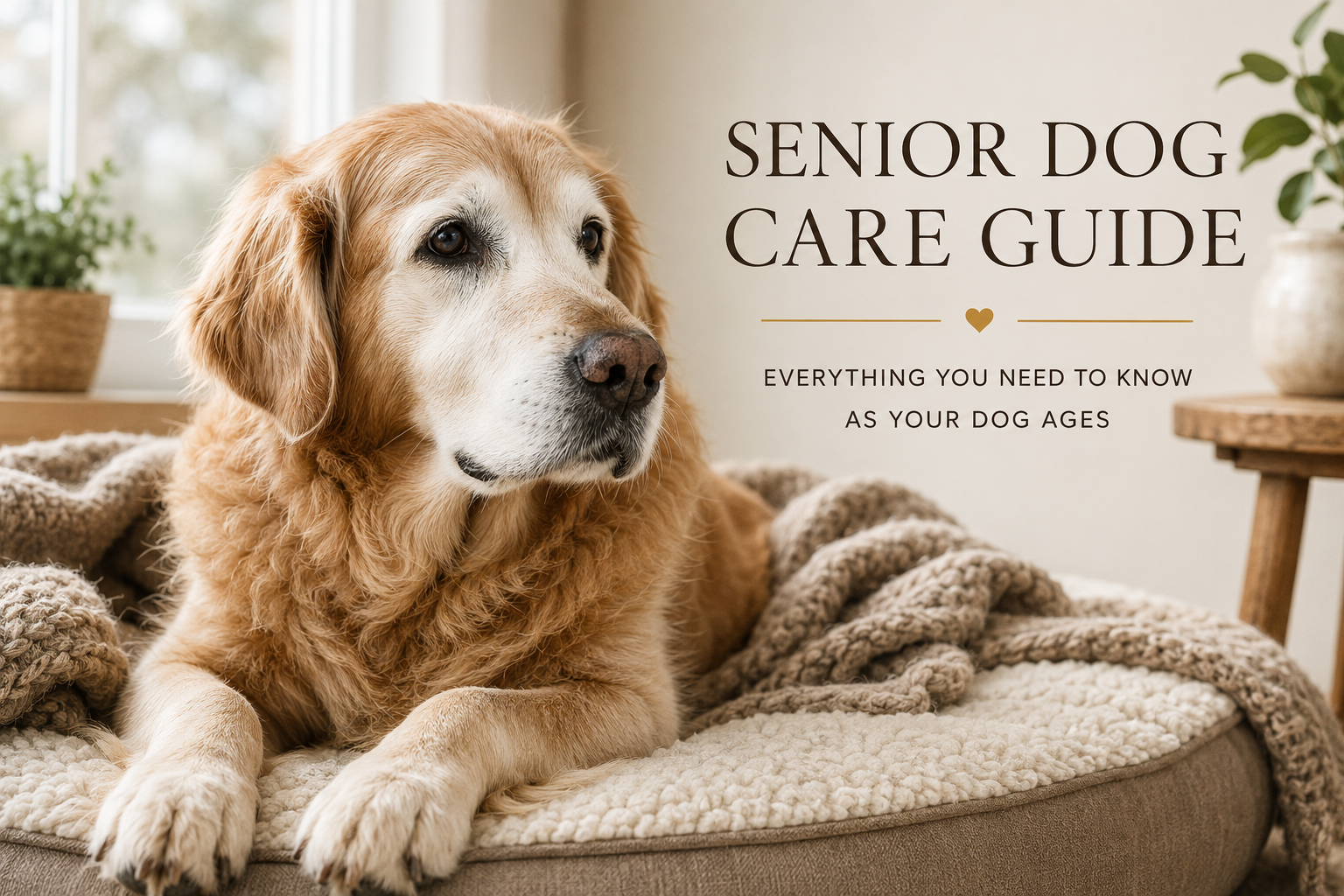
The Ultimate Senior Dog Care Guide: Everything You Need to Know as Your Dog Ages
Watching your dog grow older is both rewarding and emotional. Senior dogs often become calmer, wiser, and even more affectionate than they were in their younger years. While aging is a natural process rather than a disease, it brings physical and mental changes that require adjustments in daily care. Understanding these changes can help your dog remain healthy, comfortable, and happy throughout their golden years.
Many owners assume slowing down is simply "old age," but some changes may signal treatable medical conditions such as arthritis, dental disease, kidney disease, hearing loss, vision problems, or canine cognitive dysfunction. Early recognition and proactive veterinary care can significantly improve your dog's quality of life.
This comprehensive guide explains everything dog owners need to know about caring for a senior dog, including nutrition, exercise, preventive healthcare, mobility support, mental stimulation, home modifications, grooming, common health conditions, and practical tips backed by veterinary science.
Table of Contents
- When Is a Dog Considered a Senior?
- How Aging Changes Your Dog
- Nutrition for Senior Dogs
- Exercise and Weight Management
- Veterinary Care
- Supporting Mobility
- Cognitive Health
- Creating a Senior-Friendly Home
- Grooming and Daily Care
- Common Mistakes
- Frequently Asked Questions
- Sources
When Is a Dog Considered a Senior?
There is no universal age at which every dog becomes a senior. Aging depends largely on breed and body size. Smaller breeds generally live longer than larger breeds, meaning they reach their senior years later.
| Dog Size | Approximate Senior Age | Typical Life Expectancy |
|---|---|---|
| Small (under 20 lbs) | 10–12 years | 13–16 years |
| Medium (20–50 lbs) | 8–10 years | 11–15 years |
| Large (50–90 lbs) | 7–8 years | 9–13 years |
| Giant (over 90 lbs) | 5–7 years | 7–10 years |
Breed genetics, nutrition, lifestyle, body condition, preventive healthcare, and environmental factors all influence how quickly a dog ages. Rather than focusing solely on birthdays, veterinarians assess your dog's overall health, mobility, and physical condition when determining senior status.
How Aging Changes Your Dog
Aging affects nearly every organ system. Some changes happen gradually over many years, making them difficult for owners to notice until they become significant.
Physical Changes
- Reduced muscle mass
- Lower energy levels
- Slower metabolism
- Weight gain or weight loss
- Gray hair around the muzzle
- Joint stiffness
- Reduced flexibility
- Cloudier eyes
- Reduced hearing
- Longer recovery after exercise
Although these changes are common, they should never automatically be dismissed as "just getting old." Pain, endocrine disease, arthritis, heart disease, and many other conditions can produce similar symptoms.
Behavioral Changes
Many senior dogs become calmer and enjoy spending more time resting near their families. Others may become more anxious, especially if their hearing or vision declines. Some develop nighttime restlessness, altered sleep cycles, increased vocalization, or confusion, which may indicate canine cognitive dysfunction.
Immune System Changes
As dogs age, their immune systems become less efficient. This makes senior dogs more susceptible to infections, slower wound healing, and chronic inflammatory diseases. Preventive healthcare therefore becomes increasingly important during the senior years.
Nutrition for Senior Dogs
Proper nutrition is one of the most effective ways to support healthy aging. Contrary to popular belief, not every older dog should automatically switch to a "senior" food. Dietary needs vary based on body condition, activity level, medical history, and veterinary recommendations.
Key Nutritional Goals
- Maintain a healthy body weight.
- Preserve lean muscle mass.
- Support joint health.
- Promote healthy digestion.
- Protect kidney function when appropriate.
- Provide balanced vitamins and minerals.
Protein Requirements
Older dogs generally benefit from adequate high-quality protein unless a veterinarian recommends otherwise for a specific medical condition. Protein helps preserve muscle mass, supports immune function, and aids tissue repair.
Healthy Fats
Omega-3 fatty acids, particularly EPA and DHA from fish oil, may help reduce inflammation associated with arthritis while supporting cognitive health. These supplements should only be used under veterinary guidance because appropriate dosing depends on the individual dog.
Fiber
Moderate dietary fiber can support digestive health, improve stool quality, and help maintain satiety in dogs that require weight management.
Hydration
Senior dogs are at greater risk of dehydration, especially those with kidney disease or diabetes. Ensure fresh water is always available and monitor changes in drinking habits, as excessive thirst may indicate an underlying health problem.
| Nutrient | Why It Matters | Potential Benefits |
|---|---|---|
| Protein | Maintains muscle | Supports strength and recovery |
| Omega-3 fatty acids | Reduces inflammation | Supports joints and brain |
| Fiber | Improves digestion | Supports healthy weight |
| Antioxidants | Protect cells | May support healthy aging |
| Glucosamine & Chondroitin | Joint support | May improve mobility in some dogs |
Exercise and Weight Management
Exercise remains essential throughout a dog's life. While senior dogs may not tolerate long hikes or intense play sessions, regular physical activity helps maintain muscle mass, joint flexibility, cardiovascular health, and mental well-being.
Signs Your Dog Needs a Modified Exercise Routine
- Lagging behind on walks
- Difficulty climbing stairs
- Reluctance to jump
- Limping after activity
- Heavy panting with mild exercise
- Needing longer recovery periods
Instead of one long walk, many senior dogs benefit from multiple shorter walks spread throughout the day. Swimming, controlled leash walks, gentle play, and low-impact exercises often provide excellent physical activity while minimizing stress on aging joints.
Maintaining a Healthy Weight
Excess body weight places additional strain on joints, the heart, and the respiratory system. Even modest weight loss in overweight dogs can improve mobility and reduce discomfort associated with osteoarthritis.
Body condition scoring is often more useful than relying solely on weight. Ideally, you should be able to feel your dog's ribs without pressing firmly, and your dog should have a visible waist when viewed from above.
| Activity | Suitable for Most Senior Dogs? | Benefits |
|---|---|---|
| Short walks | Yes | Cardiovascular fitness and mobility |
| Swimming | Often | Low-impact muscle strengthening |
| Gentle fetch | Sometimes | Mental stimulation and exercise |
| Long-distance running | Usually No | May overstress joints |
| Scent games | Yes | Mental enrichment with minimal physical strain |
Veterinary Care for Senior Dogs
Routine veterinary care becomes increasingly important as dogs age because many diseases develop gradually and may not show obvious symptoms until they are advanced. Regular wellness examinations allow veterinarians to detect problems earlier, often before your dog appears sick.
Most veterinary organizations recommend that healthy senior dogs receive wellness examinations at least every six months. Since dogs age much faster than humans, these twice-yearly visits are comparable to annual or even more frequent health checkups for people.
During a senior wellness visit, your veterinarian may evaluate body condition, muscle mass, heart and lung function, joint mobility, oral health, vision, hearing, skin condition, hydration, and neurological function. Depending on your dog's age, breed, and medical history, additional diagnostic testing such as blood work, urinalysis, blood pressure measurement, or imaging may also be recommended.
Recommended Senior Health Screening
| Screening Test | Purpose | Recommended Frequency |
|---|---|---|
| Physical examination | Detect early health changes | Every 6 months |
| Complete blood count (CBC) | Evaluate infection, anemia, and overall health | Every 6–12 months |
| Blood chemistry panel | Assess liver, kidneys, blood sugar, and electrolytes | Every 6–12 months |
| Urinalysis | Screen kidney disease, diabetes, and urinary issues | Every 6–12 months |
| Blood pressure | Detect hypertension | As recommended |
| Dental examination | Identify periodontal disease | Every visit |
| Weight and body condition score | Monitor obesity or muscle loss | Every visit |
Early diagnosis often allows diseases such as kidney disease, diabetes mellitus, hypothyroidism, heart disease, cancer, and arthritis to be managed more effectively, improving both lifespan and quality of life.
Common Health Problems in Senior Dogs
While every dog ages differently, certain health conditions become more common with advancing age. Recognizing the warning signs can help owners seek veterinary care before problems become severe.
Arthritis (Osteoarthritis)
Osteoarthritis is one of the most common chronic conditions affecting senior dogs. Cartilage gradually wears away, leading to inflammation, pain, and reduced mobility.
Common Signs
- Difficulty standing after resting
- Reluctance to jump into cars or onto furniture
- Stiffness after exercise
- Limping
- Reduced willingness to walk
- Changes in posture
- Irritability when touched
Treatment often combines weight management, controlled exercise, physical rehabilitation, pain medication, joint-support supplements, and environmental modifications.
Dental Disease
Periodontal disease affects the majority of adult dogs and becomes increasingly common with age. Untreated dental disease can cause chronic pain, tooth loss, difficulty eating, and may contribute to systemic inflammation.
Warning Signs
- Bad breath
- Red or bleeding gums
- Loose teeth
- Dropping food while eating
- Pawing at the mouth
- Difficulty chewing
Regular tooth brushing, dental diets, veterinary-approved dental chews, and professional dental cleanings remain the most effective ways to maintain oral health.
Kidney Disease
Chronic kidney disease develops gradually in many older dogs. Early stages often produce no obvious symptoms, making routine blood and urine testing especially valuable.
Signs may include increased thirst, increased urination, reduced appetite, weight loss, vomiting, and lethargy.
Heart Disease
Senior dogs, especially certain breeds, are more likely to develop heart disease. A heart murmur detected during a routine examination may lead your veterinarian to recommend additional testing such as chest radiographs or echocardiography.
Symptoms may include coughing, exercise intolerance, rapid breathing, weakness, or fainting episodes.
Cancer
Cancer becomes more common with age, but early diagnosis often expands treatment options. Owners should routinely check for new lumps, changes in existing masses, unexplained weight loss, persistent wounds, abnormal bleeding, or changes in appetite and energy.
Not every lump is cancerous, but every new lump should be evaluated by a veterinarian.
Supporting Mobility and Joint Health
Maintaining mobility is one of the most important aspects of senior dog care. Dogs that remain active within their comfort level typically retain better muscle mass, balance, flexibility, and independence.
Ways to Improve Mobility
- Maintain an ideal body weight.
- Provide regular low-impact exercise.
- Use orthopedic dog beds.
- Install non-slip rugs on slippery floors.
- Add ramps for vehicles and furniture.
- Use harnesses with lifting handles when necessary.
- Keep nails trimmed to improve traction.
- Discuss pain management options with your veterinarian.
Helpful Home Products
| Product | Benefit |
|---|---|
| Orthopedic memory foam bed | Reduces pressure on painful joints |
| Non-slip rugs | Improves stability |
| Pet ramps | Reduces jumping stress |
| Support harness | Assists standing and climbing stairs |
| Raised food bowls | May improve comfort during meals for some dogs |
Cognitive Health and Canine Dementia
Just as humans may experience cognitive decline with age, dogs can develop Canine Cognitive Dysfunction (CCD), a progressive condition affecting memory, learning, awareness, and behavior.
Although there is no cure, early recognition and supportive management may slow progression and improve quality of life.
Common Signs of Cognitive Dysfunction
- Disorientation inside familiar rooms
- Getting stuck behind furniture
- Staring into corners
- Forgetting previously learned commands
- Sleeping during the day but pacing at night
- Increased anxiety
- Reduced interaction with family members
- House-training accidents
Supporting Brain Health
- Maintain a predictable daily routine.
- Continue positive reinforcement training.
- Offer food puzzles and scent games.
- Provide gentle daily exercise.
- Encourage social interaction.
- Discuss therapeutic diets or medications with your veterinarian if cognitive decline develops.
Creating a Senior-Friendly Home
Simple changes around the home can dramatically improve comfort, confidence, and safety for an aging dog.
Senior Dog Home Checklist
- Place non-slip rugs on hardwood or tile floors.
- Use ramps instead of stairs whenever possible.
- Provide easy access to food and water.
- Keep furniture arrangements consistent.
- Ensure outdoor areas are well lit at night.
- Keep walkways free of clutter.
- Provide multiple comfortable resting areas.
- Adjust bedding for dogs with arthritis.
- Keep nails short for better traction.
- Ensure easy access to frequent bathroom breaks.
Dogs experiencing vision loss especially benefit from keeping furniture in consistent locations. Avoid unnecessary changes that could increase confusion or accidents.
Grooming and Daily Care
Regular grooming becomes increasingly important as dogs age. Older dogs may groom themselves less effectively, while arthritis can make standing for long grooming sessions uncomfortable.
Daily Grooming Tips
- Brush the coat several times each week to prevent mats.
- Check the skin for lumps, sores, or parasites.
- Trim nails every few weeks.
- Clean ears according to your veterinarian's recommendations.
- Brush teeth daily whenever possible.
- Inspect paw pads for cracks or injuries.
- Watch for changes in odor, coat quality, or skin texture.
Grooming sessions also provide an excellent opportunity to identify subtle health changes that might otherwise go unnoticed.
Maintaining Emotional Well-Being
Senior dogs thrive on routine, familiarity, and companionship. While they may spend more time sleeping, they still benefit greatly from daily interaction with their families.
Simple activities such as gentle walks, food puzzles, scent games, short training sessions, and quiet cuddle time help maintain emotional health and strengthen the human-animal bond.
Many older dogs become more attached to their owners and may experience separation anxiety if routines suddenly change. Maintaining predictable feeding times, exercise schedules, and bedtime routines can reduce stress and improve overall well-being.
Signs Your Senior Dog Needs Immediate Veterinary Attention
Some changes in older dogs require prompt veterinary evaluation rather than a "wait and see" approach. Because senior dogs can deteriorate more quickly than younger adults, early intervention often leads to better outcomes.
- Difficulty breathing or persistent coughing
- Collapse, fainting, or seizures
- Sudden inability to stand or walk
- Loss of appetite lasting more than 24 hours
- Repeated vomiting or diarrhea
- Blood in urine, stool, or vomit
- Abdominal swelling or signs of severe pain
- Rapid weight loss
- Excessive drinking and urination
- Persistent limping or signs of significant pain
- Sudden blindness or severe vision changes
- Confusion that develops rapidly
Never assume these symptoms are simply part of aging. Many are associated with treatable conditions, especially when addressed early.
Senior Dog Care Decision Tree
| If You Notice... | Possible Cause | Recommended Action |
|---|---|---|
| Difficulty standing | Arthritis, injury, neurological disease | Schedule a veterinary examination promptly. |
| Drinking much more water | Kidney disease, diabetes, hormonal disorders | Arrange blood and urine testing. |
| Weight loss despite eating normally | Cancer, metabolic disease, dental pain | Seek veterinary evaluation. |
| Nighttime pacing or confusion | Canine Cognitive Dysfunction, pain, anxiety | Discuss behavioral and medical assessment with your veterinarian. |
| Limping after walks | Arthritis or orthopedic injury | Reduce activity and schedule an examination. |
| Bad breath and difficulty chewing | Dental disease | Arrange a dental assessment. |
Common Mistakes Owners Make with Senior Dogs
- Assuming every behavioral change is "just old age."
- Waiting until obvious pain develops before seeking treatment.
- Allowing weight gain due to reduced activity.
- Stopping exercise completely instead of modifying it.
- Ignoring dental care.
- Skipping preventive wellness visits because the dog appears healthy.
- Changing food without veterinary guidance.
- Providing slippery flooring that increases fall risk.
- Overlooking mental enrichment.
- Failing to monitor subtle changes in appetite, thirst, or mobility.
Many age-related conditions progress gradually. Keeping a simple journal of changes in mobility, appetite, sleep, and behavior can help identify trends and provide valuable information during veterinary appointments.
Myths vs. Facts About Senior Dogs
| Myth | Fact |
|---|---|
| "Slowing down is always normal." | Reduced activity may indicate pain or illness and should be evaluated. |
| "Older dogs don't need exercise." | Appropriate exercise helps maintain muscle, joint function, and mental health. |
| "Bad breath is normal in old dogs." | Persistent bad breath usually indicates dental disease. |
| "You can't teach an old dog new tricks." | Senior dogs continue learning and benefit from positive reinforcement training. |
| "All senior dogs need the same diet." | Nutritional needs vary based on health, body condition, and lifestyle. |
Key Takeaways
- Aging is natural, but pain and disease should never be considered normal.
- Twice-yearly veterinary examinations improve early disease detection.
- Maintaining a healthy weight is one of the most effective ways to improve mobility and longevity.
- Regular exercise should be adapted—not eliminated—as dogs age.
- Mental stimulation remains essential throughout life.
- Routine dental care significantly improves comfort and overall health.
- Simple home modifications can greatly reduce the risk of falls and injuries.
- Early recognition of cognitive decline allows better long-term management.
- Preventive care helps many senior dogs enjoy active, comfortable lives for years.
Frequently Asked Questions
1. At what age does a dog become a senior?
There is no single age that applies to every dog. Small breeds often become seniors around 10 to 12 years of age, while giant breeds may reach their senior years as early as 5 to 7 years. Your veterinarian will consider your dog's breed, size, health, and physical condition when assessing whether age-related care recommendations should begin.
2. How often should senior dogs visit the veterinarian?
Most healthy senior dogs benefit from wellness examinations every six months. These visits allow veterinarians to monitor weight, muscle condition, dental health, blood pressure, and laboratory values so diseases can be identified before obvious symptoms develop.
3. Should I switch to senior dog food automatically?
Not necessarily. Some older dogs thrive on senior diets, while others require different nutritional approaches depending on their body condition, medical history, activity level, and individual needs. Your veterinarian can recommend the most appropriate diet for your dog.
4. How much exercise does an older dog need?
Most senior dogs still benefit from daily exercise, but the intensity and duration should be adjusted to their abilities. Short walks, swimming, gentle play, and scent-based enrichment are often excellent options.
5. Is arthritis inevitable in senior dogs?
Although arthritis becomes more common with age, not every older dog develops clinically significant joint disease. Maintaining a healthy weight, regular exercise, and early veterinary care may help reduce its impact.
6. Can older dogs still learn new commands?
Yes. Dogs continue learning throughout life. Positive reinforcement training provides valuable mental stimulation and strengthens the relationship between dogs and their owners.
7. What are the first signs of canine dementia?
Early signs may include confusion, getting lost in familiar places, altered sleep patterns, nighttime pacing, decreased interaction with family members, house-training accidents, and changes in social behavior. Veterinary evaluation is important because several medical conditions can produce similar symptoms.
8. Why is my senior dog drinking more water?
Increased thirst may indicate kidney disease, diabetes mellitus, Cushing's disease, medication side effects, or other medical conditions. Persistent changes in drinking or urination should always be evaluated by a veterinarian.
9. Are supplements helpful for senior dogs?
Some supplements, including omega-3 fatty acids and certain joint-support products, may benefit selected dogs. However, evidence varies among products, and supplements should never replace veterinary treatment or balanced nutrition. Discuss any supplement with your veterinarian before starting it.
10. How can I improve my senior dog's quality of life?
Provide balanced nutrition, maintain a healthy weight, encourage regular low-impact exercise, schedule routine veterinary visits, keep your dog mentally engaged, modify the home for comfort and safety, manage pain promptly, and continue spending quality time together. These simple steps can make a significant difference in helping your dog enjoy a happy and comfortable retirement.
Suggested Internal Links
- The Complete Guide to Dog Nutrition
- How to Brush Your Dog's Teeth Properly
- Best Low-Impact Exercises for Dogs with Arthritis
- Dog Weight Management Guide
- Signs Your Dog Needs to Visit the Veterinarian
- Best Enrichment Activities for Senior Dogs
Sources
- American Animal Hospital Association (AAHA) – 2023 Senior Care Guidelines for Dogs and Cats
- World Small Animal Veterinary Association (WSAVA)
- American Veterinary Medical Association (AVMA)
- American Kennel Club – Dog Health Resources
- American Kennel Club – Managing Cognitive Decline in Senior Dogs
- ASPCA – Dog Care
- Texas A&M College of Veterinary Medicine & Biomedical Sciences
- The Ohio State University College of Veterinary Medicine
- Dog Aging Project
- VCA Animal Hospitals – Know Your Pet
- VCA Animal Hospitals – Canine Cognitive Dysfunction
- Merck Veterinary Manual
- U.S. Food and Drug Administration – Animal & Veterinary
- PubMed – Veterinary Research Database
Get Printable Dog Planners & Trackers at Happy Paw Studio
Looking for instant printable dog health logs, pet care planners, and daily routine journals? Visit our Etsy store to download yours today!
Shop HappyPawStudio1 on Etsy →