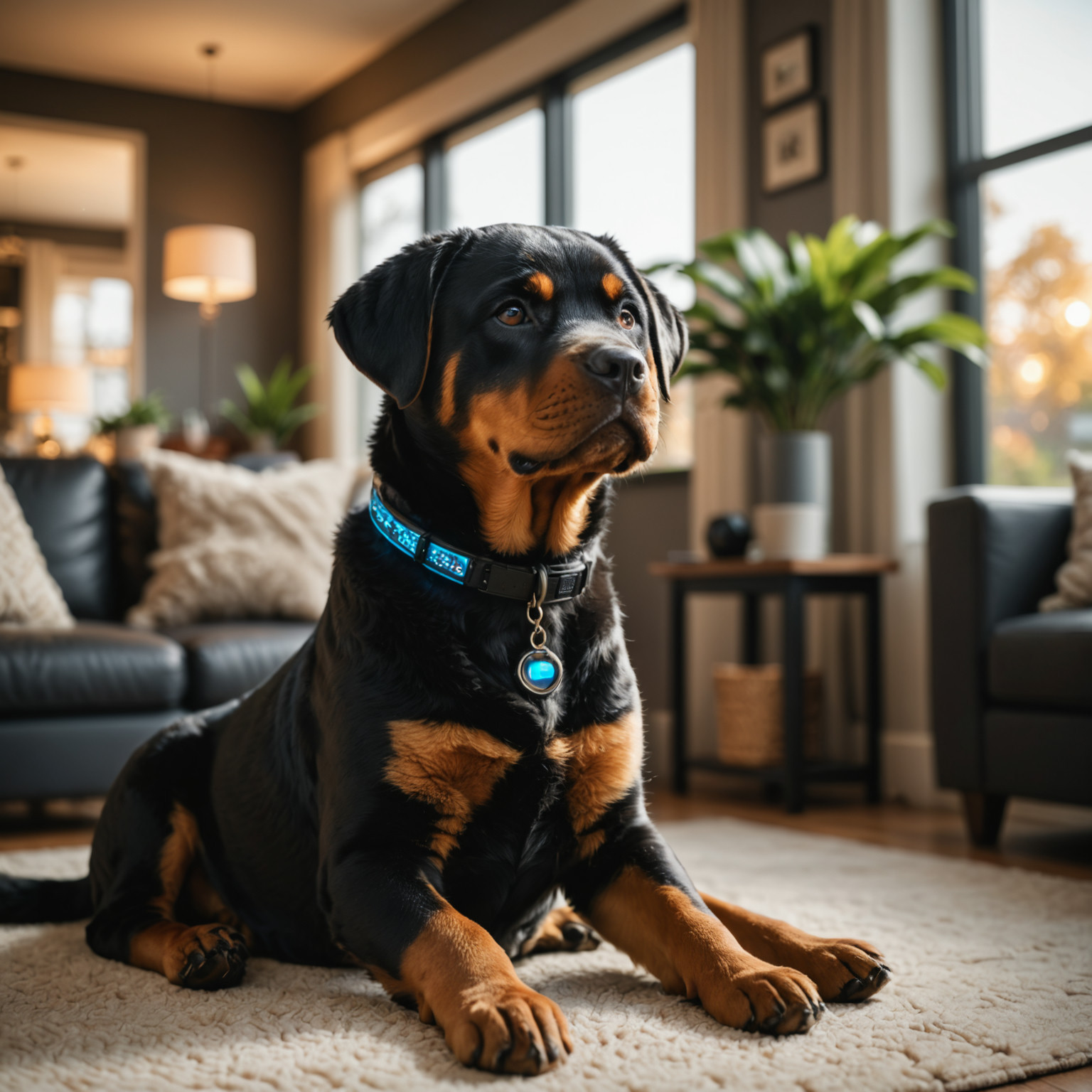
How to Use AI-Powered Puppy Monitoring & Behavioral Analysis to Raise a Happier Dog
Bringing a new puppy home is one of the most exciting — and let's be honest, slightly overwhelming — experiences a dog parent can have. Between the midnight whimpers, the mysterious chewing habits, and the endless "is this normal?" Google searches at 2 a.m., it can feel like you need a full-time expert by your side. The good news? Thanks to advances in AI-powered puppy monitoring and behavioral analysis, that expert-level insight is now more accessible than ever.
AI pet technology has come a long way in recent years, and today's smart tools can help you track your puppy's sleep patterns, decode their vocalizations, flag unusual behaviors, and even give you personalized training suggestions — all from your smartphone. Whether you're a first-time puppy parent or a seasoned dog lover welcoming a new furry family member, these tools can genuinely transform how you understand and connect with your pup.
Please note: While AI monitoring tools can offer helpful behavioral insights, they are not a substitute for professional veterinary care. Always consult your veterinarian if you have concerns about your puppy's health or behavior.
- What Is AI-Powered Puppy Monitoring?
- How Does AI Behavioral Analysis Work for Puppies?
- Top Features to Look for in a Puppy AI Monitor
- Step-by-Step: How to Set Up and Use AI Puppy Monitoring at Home
- How to Interpret AI Behavioral Reports
- Using AI Insights to Support Puppy Training
- Limitations of AI Puppy Monitoring
- Frequently Asked Questions
- Final Thoughts
What Is AI-Powered Puppy Monitoring?
AI-powered puppy monitoring refers to the use of smart cameras, wearable devices, and machine learning software to observe, record, and analyze your puppy's behavior in real time or over time. Unlike a standard pet camera that simply lets you peek in on your pup, AI-enabled systems go several steps further — they learn what's "normal" for your specific dog and alert you when something seems off.
These systems typically combine hardware (like a smart camera or a GPS-enabled collar) with a companion app that uses artificial intelligence to process the data it collects. Over time, the AI builds a behavioral profile unique to your puppy, making its insights increasingly accurate and personalized.
Think of it as having a knowledgeable dog behavior assistant living inside your phone — one that never sleeps and is always watching out for your pup.
How Does AI Behavioral Analysis Work for Puppies?
At its core, AI behavioral analysis uses a combination of computer vision, audio recognition, and motion tracking to identify and categorize your puppy's actions. Here's a simplified breakdown of how it works:
Computer Vision and Motion Detection
Smart cameras equipped with AI can recognize specific body postures and movements — things like tail wagging, crouching, spinning, or pacing. The system is trained on large datasets of dog behavior footage, allowing it to distinguish between playful zoomies and anxious pacing, for example.
Audio and Vocalization Analysis
Some AI tools can analyze the sounds your puppy makes — barking, whining, howling, or growling — and categorize them by likely emotional state or trigger. This can be especially helpful for understanding separation anxiety or identifying stress responses.
Wearable Activity Tracking
AI-enabled collars and harnesses track physical data like movement intensity, sleep quality, heart rate (in some advanced models), and daily activity levels. This data feeds into the app's behavioral analysis engine to give you a fuller picture of your puppy's wellbeing.
Pattern Recognition Over Time
One of the most powerful aspects of AI monitoring is its ability to spot trends. If your puppy starts sleeping more than usual, becomes less active, or begins showing repetitive behaviors, the system can flag these changes — sometimes before you'd notice them yourself.
Top Features to Look for in a Puppy AI Monitor
Not all AI pet monitoring tools are created equal. When shopping for the right system for your puppy, here are the key features worth prioritizing:
- Real-time alerts: Instant notifications when unusual behavior is detected
- Two-way audio: Lets you speak to and soothe your puppy remotely
- Night vision: Essential for monitoring overnight sleep and crate behavior
- Behavioral tagging and logging: Automatically categorizes and records behaviors over time
- Personalized insights: Reports tailored to your specific puppy's baseline
- Vet-sharing capability: Ability to export behavioral data to share with your veterinarian
- App usability: A clean, intuitive interface that makes data easy to understand
- Privacy and data security: Clear policies on how your footage and data are stored and used
Popular tools in this space include Furbo Dog Camera, Petcube Bites 2, and wearable options like Fi Series 3 and Whistle Health. Each has its own strengths, so it's worth reading current reviews to find the best fit for your home setup and budget.
Step-by-Step: How to Set Up and Use AI Puppy Monitoring at Home
Ready to get started? Here's a practical guide to setting up AI puppy monitoring in your home.
Step 1: Choose Your System
Decide whether you want a camera-based system, a wearable device, or both. For most puppy parents, starting with a smart camera in the main living area or wherever your puppy spends most of their time is a great first step.
Step 2: Position Your Camera Strategically
Place your camera at a height that gives a clear, wide-angle view of your puppy's space. Avoid backlighting from windows, which can interfere with image quality. If your puppy uses a crate, position the camera so it can see inside clearly.
Step 3: Download and Configure the App
Follow the manufacturer's setup instructions to connect your device to the companion app. Most apps will walk you through an initial calibration period — this is when the AI begins learning what's normal for your puppy.
Step 4: Set Up Your Behavioral Baseline
Spend the first one to two weeks simply observing and letting the AI collect data. Avoid making major changes to your puppy's routine during this period so the system can establish an accurate baseline.
Step 5: Review Daily Reports
Most apps generate daily or weekly behavioral summaries. Make it a habit to check these regularly, noting any flagged behaviors or trends the AI has identified.
Step 6: Adjust Alerts to Your Needs
Customize your notification settings so you're alerted to the behaviors that matter most to you — whether that's excessive barking, nighttime restlessness, or signs of distress when you leave the house.
How to Interpret AI Behavioral Reports
Getting the data is one thing — knowing what to do with it is another. Here are some tips for making sense of your AI behavioral reports:
Look for Patterns, Not Just Incidents
A single instance of whining or pacing isn't necessarily cause for concern. What matters more is whether a behavior is increasing in frequency or intensity over time. Your AI system's trend graphs are your best friend here.
Cross-Reference with Your Own Observations
AI is a powerful tool, but you know your puppy best. If the app flags something that doesn't match what you're seeing in person, trust your instincts and dig deeper. Conversely, if the AI catches something you hadn't noticed, take it seriously.
Share Reports with Your Vet or Trainer
Behavioral data can be incredibly valuable for your veterinarian or a certified dog trainer. If you're working through a specific issue like separation anxiety or resource guarding, having objective data to share can make those conversations much more productive.
Using AI Insights to Support Puppy Training
One of the most exciting applications of AI behavioral analysis is using it to enhance your puppy's training journey. Here's how:
Identify Triggers for Unwanted Behaviors
If your puppy tends to bark or become anxious at certain times of day or in response to specific sounds, your AI monitor can help you pinpoint those triggers. Once you know the "what" and "when," you can work with a trainer to address the root cause.
Track Training Progress Objectively
It can be hard to tell if your training efforts are actually working, especially in the early stages. AI monitoring gives you objective data — like a reduction in barking frequency or improved sleep quality — that shows you whether your approach is having an effect.
Reinforce Positive Behaviors
Some AI systems can be set up to automatically dispense treats (via a connected treat camera) when your puppy exhibits calm or desired behaviors. This kind of automated positive reinforcement can be a helpful supplement to your in-person training sessions.
Limitations of AI Puppy Monitoring
As amazing as this technology is, it's important to go in with realistic expectations.
- AI is not infallible. Misidentifications happen, especially in the early learning phase or in low-light conditions.
- It doesn't replace professional guidance. For serious behavioral issues or health concerns, always consult a certified professional.
- Privacy considerations matter. Be mindful of where cameras are placed and review your app's data privacy policy carefully.
- Puppies change fast. What's "normal" for an 8-week-old puppy is very different from a 6-month-old. Make sure your system recalibrates as your puppy grows.
Frequently Asked Questions
Is AI puppy monitoring worth it for first-time dog parents?
Absolutely. First-time puppy parents often benefit the most from AI monitoring because it provides reassurance, helps identify potential issues early, and offers a learning tool for understanding canine behavior.
At what age can I start using AI monitoring with my puppy?
You can start from day one. In fact, the earlier you begin, the more comprehensive your puppy's behavioral baseline will be.
Can AI monitoring help with separation anxiety?
Yes — AI tools are particularly useful for identifying and tracking separation anxiety. They can show you exactly how your puppy behaves when you leave, how long distress lasts, and whether interventions are helping over time.
Do I need Wi-Fi for AI puppy monitoring to work?
Most camera-based systems require a stable Wi-Fi connection. Some wearable devices store data locally and sync when in range. Check your specific product's requirements before purchasing.
Is the data collected by AI pet monitors secure?
This varies by brand. Always review the privacy policy of any app you use and look for systems that offer encrypted data storage and clear opt-out options.
Wrapping Up: Smarter Monitoring, Happier Puppies
Raising a puppy is a beautiful, messy, joyful adventure — and AI-powered monitoring tools are here to make it a little less stressful and a lot more informed. By understanding your puppy's behavioral patterns, catching potential issues early, and using data to guide your training, you're setting both of you up for a stronger, happier bond.
At Happy Paw Studio, we believe that being a great dog parent isn't about being perfect — it's about being curious, attentive, and always willing to learn. And if a little artificial intelligence can help you do that? We're absolutely here for it.
Have you tried AI puppy monitoring in your home? We'd love to hear about your experience in the comments below. And if you found this guide helpful, share it with a fellow puppy parent who could use a little extra support!
Sources
- American Kennel Club (AKC) — General guidance on puppy behavior, development stages, and training best practices. akc.org
- VCA Animal Hospitals — Veterinary information on puppy behavioral development, separation anxiety, and health monitoring. vcahospitals.com
- ASPCA — Resources on puppy care, behavioral issues, and positive reinforcement training methods. aspca.org
- PetMD — Articles on understanding puppy vocalizations, sleep patterns, and signs of stress or illness in young dogs. petmd.com
- Association of Professional Dog Trainers (APDT) — Standards and recommendations for evidence-based puppy training and behavioral assessment. apdt.com
Get Printable Dog Planners & Trackers at Happy Paw Studio
Looking for instant printable dog health logs, pet care planners, and daily routine journals? Visit our Etsy store to download yours today!
Shop HappyPawStudio1 on Etsy →