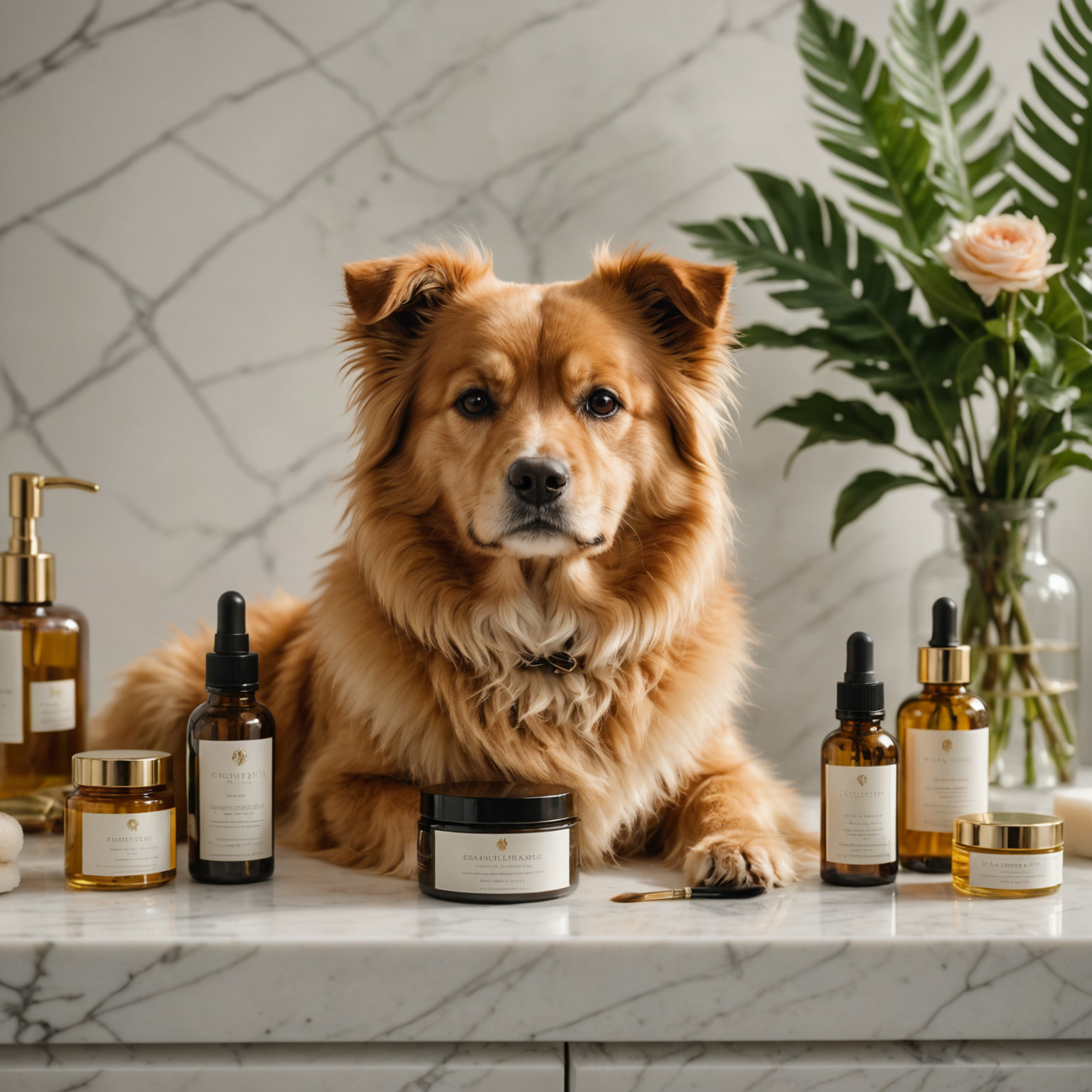
The "Skinification" of Dog Grooming: How to Choose Skin-First Products for Your Pup
If you've noticed that the pet care aisle is starting to look a lot more like the skincare aisle, you're not imagining things. The "skinification" of dog grooming products is one of the biggest trends sweeping the pet industry right now — and honestly, it makes a lot of sense. Just like we've learned to look beyond surface-level beauty and focus on skin health for ourselves, dog parents are now applying that same thoughtful approach to their pups.
We're talking about shampoos formulated with ceramides, conditioners packed with hyaluronic acid, and grooming serums designed to support your dog's skin barrier. It sounds fancy, but the core idea is simple: a healthy coat starts with healthy skin. And as a dog parent, understanding what's actually going on beneath all that fur can make a real difference in your dog's comfort and wellbeing.
Please note: While this article offers general grooming tips and product guidance, it is not a substitute for veterinary advice. If your dog is experiencing persistent skin issues, irritation, or hair loss, always consult your veterinarian before trying new products.
- What Is the "Skinification" of Dog Grooming?
- Why Your Dog's Skin Health Matters More Than You Think
- Key Ingredients to Look For in Skin-First Dog Products
- Ingredients to Avoid in Dog Grooming Products
- Tips for Building a Skin-First Grooming Routine
- How to Choose the Right Products for Your Dog's Skin Type
- Frequently Asked Questions
What Is the "Skinification" of Dog Grooming?
The term "skinification" originally came from the human beauty world, describing a shift away from cosmetic-only products toward formulas that genuinely support skin health at a deeper level. Think: barrier-strengthening moisturizers, microbiome-friendly cleansers, and ingredient-conscious formulas that do more than just smell good.
Now, that same philosophy has made its way into the pet grooming space. Dog grooming brands are increasingly borrowing from dermatological science to create products that go beyond making your dog's coat shiny. They're targeting the skin microbiome, reinforcing the skin barrier, and addressing issues like dryness, sensitivity, and inflammation at the root.
For dog parents, this is genuinely exciting news. It means more thoughtful, effective options on the market — but it also means learning how to read labels and cut through the marketing noise.
Why Your Dog's Skin Health Matters More Than You Think
Your dog's skin is their largest organ, and it does a lot of heavy lifting. It acts as a protective barrier against environmental allergens, bacteria, parasites, and moisture loss. When that barrier is compromised — whether from over-bathing, harsh ingredients, allergies, or underlying health conditions — it can lead to itching, flaking, hot spots, and chronic discomfort.
Here's something many dog parents don't realize: a dog's skin has a different pH level than human skin. Human skin sits at around 5.5 (slightly acidic), while dogs have a more neutral pH, typically ranging from 6.2 to 7.4. This is why using human shampoos on dogs — even gentle ones — can disrupt their skin barrier and cause irritation over time.
Skin-first grooming products are formulated with this difference in mind. They're designed to cleanse without stripping, moisturize without clogging, and support the natural balance of your dog's skin rather than working against it.
Key Ingredients to Look For in Skin-First Dog Products
When you're shopping for grooming products that genuinely support your dog's skin health, these are the ingredients worth getting excited about:
Ceramides
Ceramides are lipid molecules that naturally occur in skin and play a crucial role in maintaining the skin barrier. In grooming products, they help lock in moisture and protect against environmental irritants. They're especially beneficial for dogs with dry or sensitive skin.
Hyaluronic Acid
Yes, the same ingredient beloved in human skincare! Hyaluronic acid is a humectant, meaning it draws moisture into the skin and helps retain it. In dog shampoos and conditioners, it can help combat dryness and keep skin feeling supple.
Oat Extract (Colloidal Oatmeal)
Colloidal oatmeal has long been recognized for its soothing, anti-inflammatory properties. It's particularly helpful for dogs prone to itching or skin sensitivity. The FDA has even recognized colloidal oatmeal as a skin protectant in over-the-counter products, which speaks to its well-established efficacy.
Aloe Vera
Aloe vera is a gentle, naturally soothing ingredient that can help calm irritated skin and provide light hydration. It's a great option for dogs with reactive or easily inflamed skin.
Omega-Rich Oils (like Hemp Seed, Sunflower, or Coconut Oil)
These oils are rich in fatty acids that help nourish the skin barrier and add softness to the coat. Look for them in leave-in conditioners or grooming sprays for an extra boost of hydration.
Prebiotics and Probiotics
The skin microbiome — the community of beneficial bacteria living on your dog's skin — plays a big role in overall skin health. Some newer grooming products include pre- or probiotic ingredients designed to support a balanced microbiome, which can help reduce sensitivity and improve resilience.
Ingredients to Avoid in Dog Grooming Products
Just as important as knowing what to look for is knowing what to steer clear of. Some common grooming product ingredients can be harsh, irritating, or even harmful to dogs.
Sulfates (like Sodium Lauryl Sulfate)
Sulfates are aggressive cleansing agents that can strip the skin of its natural oils, disrupting the skin barrier and leading to dryness and irritation — especially with regular use.
Artificial Fragrances
Synthetic fragrances are one of the most common causes of skin reactions in dogs. They may make a product smell appealing to us, but they offer no benefit to your dog and can trigger allergic responses. Look for products that are fragrance-free or scented only with dog-safe essential oils.
Parabens
Parabens are preservatives that have come under scrutiny in both human and pet products. While research is still evolving, many pet parents prefer to avoid them as a precaution.
Alcohol (as a Primary Ingredient)
Alcohol-based formulas can be extremely drying to a dog's skin. Check ingredient lists carefully, especially in sprays and leave-in products.
Tea Tree Oil (in High Concentrations)
While tea tree oil has some antimicrobial properties, it can be toxic to dogs in concentrated amounts. If it appears in a product, it should be in very low, diluted concentrations — and when in doubt, skip it.
Tips for Building a Skin-First Grooming Routine
Ready to give your dog's grooming routine a skin-conscious upgrade? Here are some practical tips to get started:
1. Don't over-bathe. Most dogs only need a bath every four to six weeks, depending on their breed, activity level, and coat type. Bathing too frequently — even with gentle products — can strip natural oils and disrupt the skin barrier.
2. Always use dog-specific products. As mentioned earlier, the pH difference between human and dog skin is significant. Always choose products formulated specifically for dogs.
3. Rinse thoroughly. Product residue left on the skin is a common cause of irritation. Take your time rinsing, especially around the belly, armpits, and skin folds.
4. Follow up with a conditioner. Shampoo cleanses, but conditioner restores. A good dog conditioner helps replenish moisture and smooth the coat after washing.
5. Consider a leave-in spray between baths. A hydrating or soothing leave-in spray can help maintain skin moisture and reduce itching between grooming sessions.
6. Pay attention to your dog's reactions. Every dog is different. If you introduce a new product and notice increased scratching, redness, or flaking, discontinue use and consult your vet.
How to Choose the Right Products for Your Dog's Skin Type
Not all dogs have the same skin needs, and a skin-first approach means tailoring your choices accordingly.
For Dry or Flaky Skin
Look for deeply hydrating formulas with ceramides, hyaluronic acid, and nourishing oils. A rich conditioner or moisturizing mask used occasionally can make a noticeable difference.
For Sensitive or Reactive Skin
Opt for fragrance-free, hypoallergenic formulas with minimal ingredients. Colloidal oatmeal and aloe vera are your best friends here. Avoid anything with dyes, sulfates, or synthetic fragrances.
For Oily or Odor-Prone Skin
Some dogs naturally produce more sebum, which can lead to a greasy coat and stronger odor. Look for balancing formulas that cleanse effectively without over-stripping. Probiotic-infused products can also help regulate the skin microbiome.
For Dogs with Skin Folds
Breeds like Bulldogs, Pugs, and Shar-Peis need extra attention in their skin folds, where moisture and bacteria can accumulate. Gentle, antibacterial wipes or cleansers designed for skin folds are a helpful addition to the routine.
Frequently Asked Questions
Are human skincare ingredients like hyaluronic acid safe for dogs?
Many ingredients used in human skincare — like hyaluronic acid and colloidal oatmeal — are safe for dogs when used in products specifically formulated for them. The key is that the overall formula, including pH and concentration, is designed with canine skin in mind. Always choose dog-specific products rather than applying human skincare directly to your dog.
How often should I update my dog's grooming products?
There's no set timeline, but it's worth reassessing your dog's grooming routine seasonally or whenever you notice changes in their skin or coat. Dogs can also develop sensitivities to products over time, so staying observant is important.
Can diet affect my dog's skin health?
Absolutely. Nutrition plays a significant role in skin and coat health. Diets rich in omega-3 and omega-6 fatty acids are particularly beneficial. If you're concerned about your dog's skin from the inside out, talk to your vet about whether a dietary adjustment or supplement might help.
Is the "skinification" trend just marketing, or does it actually work?
Like any trend, there's a spectrum. Some products genuinely deliver on their skin-health promises, while others use buzzword ingredients in amounts too small to make a real difference. The best approach is to focus on the full ingredient list, choose brands that are transparent about their formulations, and pay attention to how your dog's skin actually responds.
What's the best way to introduce a new grooming product?
Do a small patch test first — apply a little of the product to a small area of your dog's skin and wait 24 hours to check for any reaction. Then introduce it gradually into your routine rather than switching everything at once.
A Healthier Coat Starts from the Skin Down
The skinification of dog grooming isn't just a passing trend — it reflects a genuinely more thoughtful, science-informed approach to caring for our dogs. When we prioritize skin health over surface shine, we're addressing the root of so many common grooming frustrations: the itching, the flaking, the dull coats, and the chronic sensitivity.
At Happy Paw Studio, we believe that informed dog parents make the best choices for their pups. So next time you're standing in the grooming aisle (or scrolling through options online), take a moment to flip the bottle over and read what's actually inside. Your dog's skin will thank you.
Have a favorite skin-first grooming product that's made a difference for your pup? We'd love to hear about it in the comments below!
Sources
- American Kennel Club (AKC) — General guidance on dog skin pH, bathing frequency recommendations, and safe grooming practices for dogs. akc.org
- VCA Animal Hospitals — Information on canine skin health, common skin conditions, and the role of the skin barrier in dogs. vcahospitals.com
- PetMD — Reference for dog-safe and dog-unsafe grooming ingredients, including information on tea tree oil toxicity and sulfate sensitivity in dogs. petmd.com
- U.S. Food and Drug Administration (FDA) — Recognition of colloidal oatmeal as an over-the-counter skin protectant ingredient. fda.gov
- ASPCA Animal Poison Control — Reference for ingredients that may be harmful or toxic to dogs, including concentrated tea tree oil. aspca.org
Get Printable Dog Planners & Trackers at Happy Paw Studio
Looking for instant printable dog health logs, pet care planners, and daily routine journals? Visit our Etsy store to download yours today!
Shop HappyPawStudio1 on Etsy →