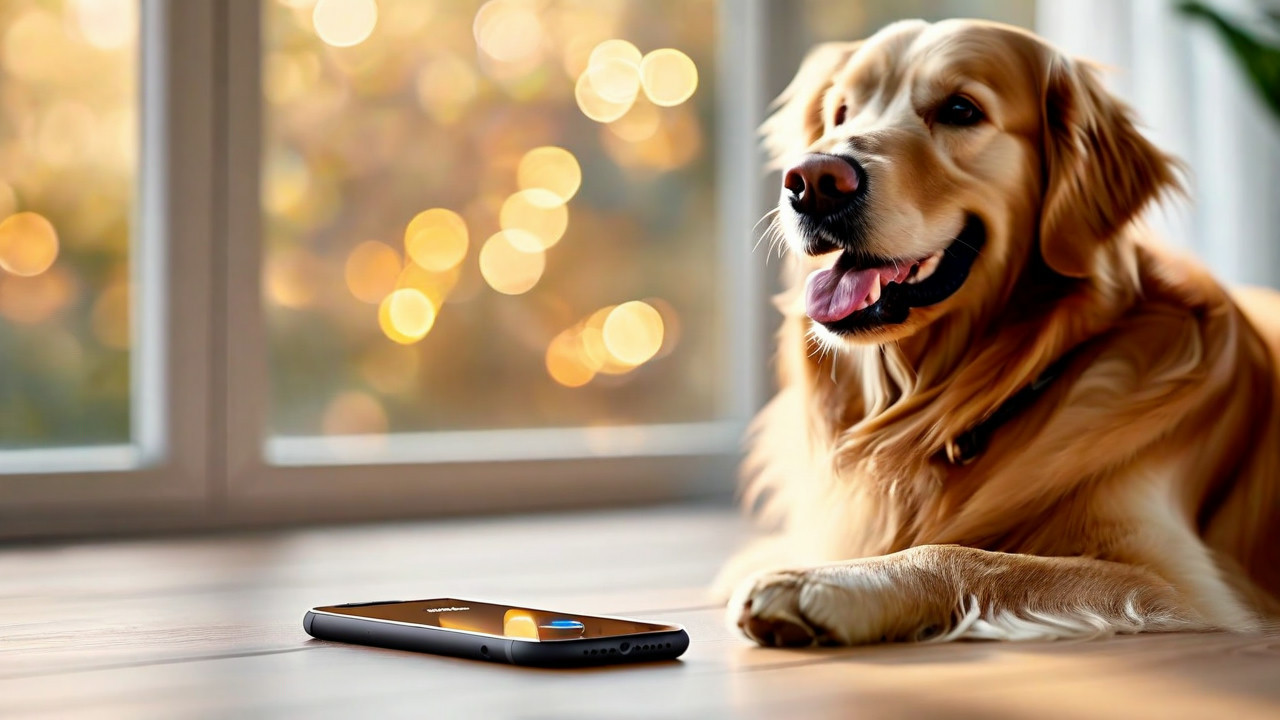
The Best AI & Technology Tools for Dog Training (Apps, Smart Devices, and More)
Dog training has come a long way from the days of basic obedience classes and worn-out training manuals. Today, technology is stepping in to help dog parents teach better, connect deeper, and understand their pups in ways that simply weren't possible before. Whether you're working with a brand-new puppy or trying to polish the manners of an older dog, AI-powered apps and smart devices are making the process more accessible, more consistent, and honestly — a lot more fun.
At Happy Paw Studio, we love finding tools that make life easier for dog parents without replacing the heart of what training is really about: building a trusting relationship with your dog. So if you're curious about how technology can support your training journey, you're in the right place.
- Why Technology Is Changing Dog Training
- Top Dog Training Apps Worth Downloading
- Smart Devices That Support Better Training
- How AI Is Being Used in Dog Training Today
- Tips for Getting the Most Out of Training Technology
- What Technology Can't Replace
- Frequently Asked Questions ---
Why Technology Is Changing Dog Training
Not long ago, your options for dog training were pretty straightforward: hire a professional trainer, enroll in a group class, or pick up a book. Those options are still valuable — and we'd never suggest skipping a good trainer when you need one — but technology has opened up a whole new layer of support for everyday dog parents.
The biggest shift? Consistency. One of the hardest parts of training any dog is staying consistent day after day. Apps and smart devices help you track progress, set reminders, and follow structured programs so that training doesn't fall apart when life gets busy. They also put expert guidance right in your pocket, available whenever your dog decides it's the perfect moment to practice "sit" — which, as any dog parent knows, is usually at the most inconvenient time possible.
---
Top Dog Training Apps Worth Downloading
There are quite a few dog training apps on the market, and the quality varies widely. Here are some of the most well-regarded options that dog parents genuinely find helpful.
Puppr
Puppr is one of the most popular dog training apps available, and for good reason. It offers step-by-step lessons for everything from basic commands to fun tricks, complete with photo guides and a built-in clicker. The lessons are short and easy to follow, which makes it perfect for busy dog parents who can only squeeze in five or ten minutes of training at a time.
The app is designed with positive reinforcement in mind, which aligns beautifully with modern, science-backed training methods. It's a great starting point for new dog owners and a fun refresher for those with more experienced pups.
Dogo
Dogo takes things a step further by incorporating AI-powered feedback into its training sessions. Using your phone's camera, the app can actually watch your dog perform a command and give you real-time feedback on whether the behavior was performed correctly. It tracks your dog's progress over time and adjusts the training plan based on how your pup is doing.
Dogo also offers access to certified dog trainers through the app if you want personalized guidance, which is a nice bridge between self-guided training and professional support.
GoodPup
If you prefer a more human touch alongside your tech tools, GoodPup connects you with a real, certified trainer via text and video for weekly check-ins. The app provides daily training exercises and lets you send videos of your sessions so your trainer can give specific feedback. It's a wonderful hybrid approach that combines the convenience of an app with the expertise of a professional.
Training Tracker Apps
Beyond structured training programs, simple habit-tracking apps can be surprisingly effective for dog training. Apps like Trello, Notion, or even a dedicated pet journal app can help you log what commands you've worked on, note your dog's progress, and keep track of any behavioral patterns you're noticing. Sometimes the most powerful tool is just having a clear record of where you started and how far you've come.
---
Smart Devices That Support Better Training
Beyond apps, there's a growing world of smart devices designed to make dog training more effective and your dog's life more enriching.
Treat-Dispensing Cameras
Devices like Furbo and Petcube are popular pet cameras that do much more than just let you watch your dog while you're away. Many models allow you to dispense treats remotely, which means you can actually reward calm behavior or reinforce training cues even when you're not home. This is particularly useful for dogs working through separation anxiety or learning to settle independently.
Smart Collars
Smart collars have evolved significantly in recent years. Some models track your dog's activity levels, sleep patterns, and even stress indicators, giving you data that can inform your training approach. If you notice your dog is consistently restless at a certain time of day, for example, that might be the perfect window for a training session or a long walk to burn off energy before practicing calm behaviors.
Some smart collars also include GPS tracking, which is more of a safety feature than a training tool — but peace of mind is always a good foundation for confident, relaxed training.
Automatic Ball Launchers
For high-energy dogs, automatic ball launchers like the iFetch can be a surprisingly useful training aid. Teaching your dog to use one independently builds confidence, encourages problem-solving, and provides physical exercise that makes focused training sessions much more productive. A tired dog is almost always a more attentive student.
Interactive Puzzle Feeders and Smart Toys
While not strictly "training" devices, smart puzzle feeders and interactive toys support the mental stimulation that makes dogs more receptive to learning. Brands like Nina Ottosson and KONG offer increasingly sophisticated puzzle toys that challenge your dog's brain and reward persistence — skills that translate directly into better focus during training.
---
How AI Is Being Used in Dog Training Today
Artificial intelligence is starting to make a real impact in the dog training world, and it's genuinely exciting to watch.
Some apps, like Dogo mentioned above, use computer vision to analyze your dog's body language and movement during training exercises. This kind of real-time feedback was previously only available from a professional trainer standing in the room with you.
AI is also being used to analyze bark patterns and vocalizations. Apps and devices are being developed that can help identify whether a dog's bark signals excitement, anxiety, alertness, or a need for attention. While this technology is still developing and shouldn't be treated as a definitive translation tool, it can offer interesting insights that help you respond more thoughtfully to your dog's communication.
Additionally, AI-driven personalization is becoming a feature in more training platforms, where the program adapts based on your dog's breed, age, learning pace, and history — creating a more tailored experience than a one-size-fits-all training book ever could.
---
Tips for Getting the Most Out of Training Technology
Technology is only as good as how you use it. Here are some practical tips to make sure these tools actually work for you and your dog.
**Start with one tool at a time.** It's tempting to download every app and order every gadget, but overwhelming yourself (and your dog) with too many new things at once usually backfires. Pick one app or device, get comfortable with it, and build from there.
**Keep sessions short and positive.** Whether you're using an app or a smart device, the same rules of good training apply. Short, upbeat sessions of five to fifteen minutes are far more effective than long, exhausting ones. Always end on a win.
**Use technology to supplement, not replace, your attention.** The best training happens when you're fully present with your dog. Use apps to plan and track, but put the phone down during the actual session so your dog has your full focus.
**Review your progress regularly.** One of the biggest advantages of training apps is the ability to look back at your history. Make it a habit to review your dog's progress weekly so you can celebrate wins and identify areas that need more work.
**Pair tech tools with positive reinforcement.** No app or device replaces the power of a well-timed treat, a happy voice, or genuine praise. Technology works best when it's layered on top of a solid positive reinforcement foundation.
---
What Technology Can't Replace
As much as we love a good training app, it's worth being honest about what technology simply cannot do.
It can't replace the bond between you and your dog. Training is fundamentally a relationship-building exercise, and no algorithm can replicate the trust that develops when your dog looks to you for guidance and you show up for them consistently.
It also can't replace a professional trainer when you're dealing with serious behavioral issues like aggression, severe anxiety, or reactivity. If your dog is struggling with something significant, please reach out to a certified professional trainer or veterinary behaviorist. Technology can be a wonderful complement to professional support, but it shouldn't be a substitute for it.
---
Frequently Asked Questions
**Are dog training apps effective for all breeds?** Most training apps are designed around universal positive reinforcement principles that work across breeds. However, some breeds have specific traits — high prey drive, independent thinking, or intense energy — that may benefit from additional professional guidance alongside any app-based training.
**Can I use training apps with an older dog?** Absolutely. The saying "you can't teach an old dog new tricks" is a myth. Older dogs can learn beautifully, and many training apps include programs specifically designed for adult dogs. You may just need to adjust your pace and keep sessions gentle.
**Are smart collars safe for dogs?** Most activity-tracking smart collars are safe and non-invasive. However, it's always worth checking that any collar fits properly and doesn't cause discomfort. If a collar includes any stimulation features, research carefully and consult a professional trainer before use.
**How do I know if a training app uses good training methods?** Look for apps that emphasize positive reinforcement and reward-based training. Be cautious of any program that relies heavily on punishment, corrections, or aversive techniques. Apps that reference certified trainers or science-based methods are generally a safer bet.
**Do I need to spend a lot of money on training technology?** Not at all. Many excellent training apps have free versions or low-cost subscriptions. You can make meaningful progress with just a smartphone and a bag of treats. Smart devices are a nice addition but are never a requirement for successful training.
---
Ready to Train Smarter?
Technology has given dog parents some genuinely wonderful tools to work with, and we think that's worth celebrating. Whether you start with a simple training app, invest in a treat-dispensing camera, or explore AI-powered feedback tools, the most important thing is that you're showing up for your dog and making training a regular, joyful part of your life together.
At Happy Paw Studio, we believe the best training is the kind that strengthens your bond, builds your dog's confidence, and makes both of you feel good. Technology, used thoughtfully, can absolutely help you get there.
Have you tried any training apps or smart devices with your dog? We'd love to hear what's been working for you — drop a comment below and share your experience with our community!
Get Printable Dog Planners & Trackers at Happy Paw Studio
Looking for instant printable dog health logs, pet care planners, and daily routine journals? Visit our Etsy store to download yours today!
Shop HappyPawStudio1 on Etsy →