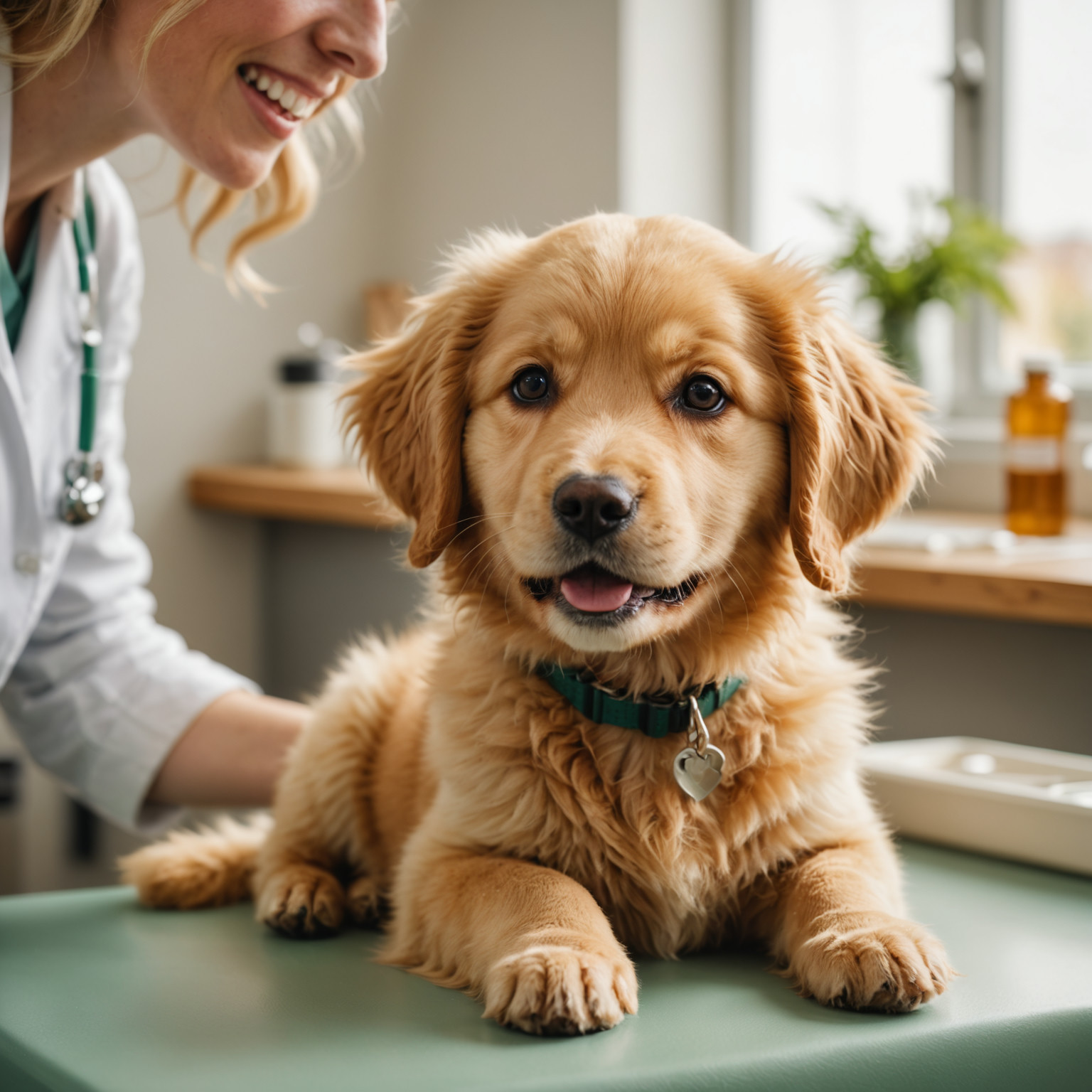
Preventive Health Care for Puppies: Essential Tips Every New Dog Parent Needs
Bringing a new puppy home is one of the most exciting things in the world — but it also comes with a whole lot of responsibility. Between the midnight potty trips, the chewed-up shoes, and those impossibly adorable puppy eyes, it can be easy to overlook one of the most important parts of early puppyhood: preventive health care. Getting your puppy started on the right health track from day one can make a tremendous difference in their quality of life for years to come.
At Happy Paw Studio, we believe that informed dog parents raise healthier, happier dogs. That's why we've put together this comprehensive guide to help you understand exactly what preventive care your puppy needs and when. Whether you're a first-time puppy parent or just need a refresher, these tips will help you feel confident and prepared.
Please note: This article is intended for general informational purposes only and is not a substitute for professional veterinary advice. Always consult your veterinarian for guidance specific to your puppy's health needs.
- Why Preventive Care Matters for Puppies
- Finding the Right Veterinarian
- Puppy Vaccination Schedule
- Parasite Prevention: Fleas, Ticks, and Worms
- Spaying and Neutering: What You Need to Know
- Puppy Nutrition and Healthy Weight
- Dental Care Starts Early
- Socialization as Preventive Health
- Microchipping and Identification
- Frequently Asked Questions
Why Preventive Care Matters for Puppies
Puppies are born with immature immune systems, which makes them especially vulnerable to illness and disease during their first several months of life. Preventive health care is all about getting ahead of potential problems before they become serious — and expensive — issues down the road.
Think of it this way: a routine vet visit and a round of vaccines cost a fraction of what treating a preventable disease would. Beyond the financial side, preventive care means your puppy gets to spend more time being a happy, energetic, tail-wagging companion rather than a sick one.
Starting strong with preventive care also helps you build a relationship with your veterinarian, establish a health baseline for your pup, and catch any early developmental concerns before they progress.
Finding the Right Veterinarian
Before your puppy even comes home, it's a great idea to research and choose a veterinarian you trust. Look for a clinic that:
- Has experience with puppies and young dogs
- Offers a welcoming, low-stress environment
- Communicates clearly and answers your questions patiently
- Is conveniently located for regular visits
Most veterinarians recommend scheduling your puppy's first appointment within the first few days of bringing them home — ideally within 48 to 72 hours. This initial visit allows the vet to assess your puppy's overall health, check for any congenital issues, and get your preventive care plan started.
What to Bring to the First Vet Visit
Come prepared with any health records from the breeder or shelter, including previous vaccinations, deworming history, and any known medical concerns. Write down your questions ahead of time — there's no such thing as a silly question when it comes to your puppy's health.
Puppy Vaccination Schedule
Vaccinations are one of the cornerstones of preventive health care for puppies. They protect your pup from serious and potentially fatal diseases by training their immune system to recognize and fight specific pathogens.
Core Vaccines
Core vaccines are recommended for all puppies regardless of lifestyle or location. These typically include:
- Distemper, Parvovirus, Adenovirus (DAP or DHPP combo): Usually given in a series starting at 6–8 weeks of age, with boosters every 3–4 weeks until 16 weeks old
- Rabies: Typically given between 12–16 weeks of age, as required by law in most areas
Non-Core Vaccines
Non-core vaccines are recommended based on your puppy's lifestyle, environment, and risk factors. These may include:
- Bordetella (kennel cough): Recommended for puppies who will be around other dogs at parks, daycares, or boarding facilities
- Leptospirosis: Suggested for puppies in areas with wildlife exposure or standing water
- Lyme disease: Recommended in tick-heavy regions
Your veterinarian will help you determine which non-core vaccines make sense for your specific puppy and where you live.
Why the Series Matters
Puppies receive maternal antibodies through their mother's milk, which can interfere with vaccine effectiveness. The series of shots given during puppyhood ensures that as those maternal antibodies fade, your puppy's own immune system gets properly primed. Skipping or delaying vaccines leaves dangerous gaps in protection.
Parasite Prevention
Parasites are one of the most common health threats puppies face, and many of them can be passed to humans as well. A solid parasite prevention plan is non-negotiable.
Intestinal Worms
Many puppies are born with intestinal parasites like roundworms or hookworms, passed from their mother. Your vet will likely recommend a deworming protocol starting as early as 2 weeks of age for puppies from breeders, and will check a fecal sample to identify any parasites present.
Heartworm Prevention
Heartworm disease is transmitted through mosquito bites and can be life-threatening. Most veterinarians recommend starting puppies on a monthly heartworm preventive as early as 6–8 weeks of age, depending on the product. This is one preventive measure you absolutely don't want to skip.
Flea and Tick Prevention
Fleas and ticks aren't just annoying — they can transmit serious diseases and cause significant discomfort. Talk to your vet about age-appropriate flea and tick prevention products. Many combination products now protect against fleas, ticks, and heartworm all in one monthly dose, making it easy to stay on top of things.
Spaying and Neutering: What You Need to Know
Spaying (for females) and neutering (for males) are surgical procedures that prevent reproduction and offer several health benefits. These include reducing the risk of certain cancers, eliminating the risk of uterine infections (pyometra) in females, and decreasing some behavioral issues.
The timing of spay/neuter surgery has evolved in recent years. While it was once routinely recommended at 6 months, many veterinarians now suggest waiting until a puppy has reached a certain level of physical maturity — particularly for larger breeds. This is a conversation worth having with your vet early on so you can make an informed decision based on your puppy's breed, size, and individual health profile.
Puppy Nutrition and Healthy Weight
What your puppy eats directly impacts their immune function, bone development, energy levels, and long-term health. Feeding a high-quality, age-appropriate puppy food is one of the simplest and most powerful things you can do for their wellbeing.
Choosing the Right Food
Look for puppy foods that meet the nutritional standards established by the Association of American Feed Control Officials (AAFCO). Large breed puppies have different nutritional needs than small breeds, particularly when it comes to calcium and phosphorus ratios that support healthy bone growth.
Feeding Schedule and Portions
Puppies generally need to eat three to four times a day until about 6 months of age, then transitioning to twice daily. Follow the feeding guidelines on your chosen food and adjust based on your puppy's growth and your vet's recommendations. Avoid free-feeding, which can lead to overeating and obesity.
Avoiding Obesity Early
Puppy obesity is a growing concern and can lead to joint problems, diabetes, and a shortened lifespan. Keep treats to no more than 10% of your puppy's daily caloric intake, and choose healthy options like small pieces of carrot or blueberries when possible.
Dental Care Starts Early
Dental disease is one of the most common health issues in adult dogs, but it's largely preventable when good habits start in puppyhood. By age three, most dogs show some signs of dental disease if their teeth haven't been regularly cared for.
Start by gently handling your puppy's mouth and teeth from a young age to get them comfortable with the sensation. Introduce a dog-safe toothbrush and enzymatic toothpaste gradually, working up to brushing a few times per week — or ideally daily.
Dental chews, water additives, and dental toys can also help support oral health, but they work best as a complement to brushing rather than a replacement.
Socialization as Preventive Health
Here's something that often surprises new puppy parents: socialization is actually a form of preventive health care. Puppies that are properly socialized during their critical window (roughly 3 to 14 weeks of age) are far less likely to develop anxiety, fear-based aggression, and stress-related health issues later in life.
Expose your puppy to a wide variety of people, sounds, environments, surfaces, and other animals in a positive, controlled way. Puppy classes are a fantastic option — they provide structured socialization alongside basic training, and many are run by certified trainers who can guide you through the process safely.
A well-socialized puppy grows into a confident, resilient adult dog who handles life's changes with ease. That's good for their mental health — and yours.
Microchipping and Identification
Microchipping is a quick, inexpensive procedure that can be done during a routine vet visit, often as early as 8 weeks of age. A tiny chip is inserted under the skin between the shoulder blades and contains a unique ID number linked to your contact information in a national registry.
If your puppy ever gets lost and is brought to a shelter or vet clinic, a simple scan can reunite you with your dog. Microchipping is one of those things you hope you never need — but you'll be incredibly grateful for if you do.
Don't forget to also keep a collar with an ID tag on your puppy at all times, and update your microchip registration whenever your contact information changes.
Frequently Asked Questions
When should I take my puppy to the vet for the first time?
Ideally within 48 to 72 hours of bringing your puppy home. This first visit establishes a health baseline and gets your preventive care plan underway.
How many sets of puppy shots does my dog need?
Most puppies need a series of core vaccines given every 3–4 weeks between 6 and 16 weeks of age. Your vet will map out the exact schedule based on your puppy's age and history.
Can I take my puppy outside before they're fully vaccinated?
You can take your puppy to safe, low-risk environments — like your own backyard or the homes of vaccinated dogs — but avoid high-traffic dog areas like dog parks until they've completed their vaccine series. Ask your vet for specific guidance.
What's the best flea and tick prevention for puppies?
There are many safe and effective options, but the right one depends on your puppy's age, weight, and lifestyle. Always consult your vet before starting any parasite prevention product.
Is pet insurance worth it for puppies?
Many dog parents find that enrolling in pet insurance while their puppy is young and healthy helps offset the cost of unexpected illnesses or injuries later. It's worth researching your options early.
Give Your Puppy the Healthiest Start Possible
Preventive health care isn't just a checklist — it's an ongoing commitment to your puppy's wellbeing that pays off in a lifetime of tail wags, zoomies, and unconditional love. By staying on top of vaccines, parasite prevention, nutrition, dental care, and socialization, you're setting your pup up for the happiest, healthiest life possible.
If you ever feel overwhelmed, remember: you don't have to figure it all out at once. Take it one step at a time, lean on your veterinarian as a partner, and trust that showing up for your puppy — even imperfectly — makes all the difference.
We'd love to hear how your puppy's health journey is going! Drop a comment below or share this post with a fellow puppy parent who could use a little guidance. 🐾
Sources
- American Kennel Club (AKC) — General guidance on puppy vaccination schedules, socialization windows, and preventive health care recommendations. akc.org
- VCA Animal Hospitals — Information on core and non-core vaccines, deworming protocols, heartworm prevention, and puppy wellness visits. vcahospitals.com
- American Veterinary Medical Association (AVMA) — Recommendations on spay/neuter timing, microchipping, and general preventive care standards. avma.org
- Association of American Feed Control Officials (AAFCO) — Nutritional standards for puppy food labeling and feeding guidelines. aafco.org
- PetMD — Practical information on flea and tick prevention, dental disease in dogs, and puppy health milestones. petmd.com
- ASPCA — Guidance on puppy socialization, identification methods, and general care for new dog owners. aspca.org
Get Printable Dog Planners & Trackers at Happy Paw Studio
Looking for instant printable dog health logs, pet care planners, and daily routine journals? Visit our Etsy store to download yours today!
Shop HappyPawStudio1 on Etsy →