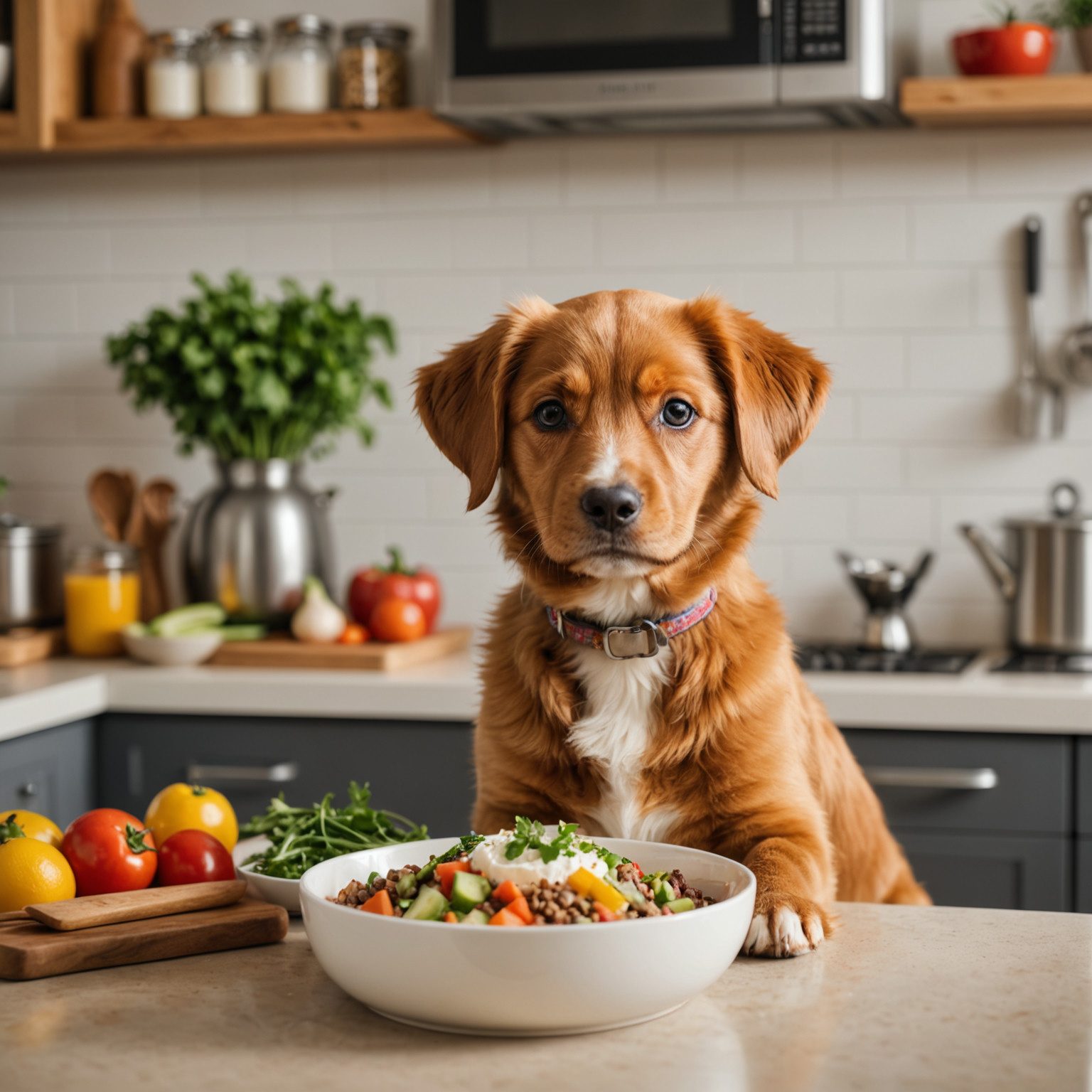
Personalized Puppy Nutrition: How to Build a Custom Meal Plan Your Pup Will Love
Bringing home a new puppy is one of life's greatest joys — but figuring out exactly what to feed them? That part can feel a little overwhelming. With so many food options, conflicting advice, and adorable puppy eyes begging for whatever you're eating, it's easy to second-guess every meal. The good news is that building a personalized nutrition plan for your puppy doesn't have to be complicated. With the right knowledge and a little guidance, you can set your pup up for a lifetime of healthy, happy eating.
At Happy Paw Studio, we believe that every puppy is unique — and their food should reflect that. A Great Dane puppy has very different nutritional needs than a Chihuahua, and an active Border Collie pup needs something entirely different from a laid-back Basset Hound. That's the heart of personalized puppy nutrition: matching what goes in the bowl to the dog in front of you.
Veterinary Disclaimer: This guide is intended for general informational purposes only and is not a substitute for professional veterinary advice. Always consult your veterinarian before making significant changes to your puppy's diet, especially if your pup has any health conditions or dietary sensitivities.
- Why Personalized Nutrition Matters for Puppies
- Understanding Your Puppy's Nutritional Needs
- Key Factors That Shape Your Puppy's Meal Plan
- How to Build a Custom Puppy Meal Plan
- Choosing the Right Food for Your Puppy
- Feeding Schedule and Portion Sizes
- Foods to Avoid in Your Puppy's Diet
- When to Adjust Your Puppy's Meal Plan
- Frequently Asked Questions
Why Personalized Nutrition Matters for Puppies
Generic feeding guidelines on the back of a dog food bag are a starting point — not a finish line. Those recommendations are based on averages, and your puppy is anything but average. Personalized puppy nutrition takes into account your dog's breed, size, age, activity level, and health history to create a feeding approach that truly supports their growth and development.
Puppies are in one of the most critical developmental stages of their lives. Their bones are forming, their immune systems are maturing, and their brains are developing at a rapid pace. Getting nutrition right during this window can have lasting effects on their long-term health, energy levels, and even temperament.
Understanding Your Puppy's Nutritional Needs
Before you can build a custom meal plan, it helps to understand what puppies actually need from their food. Unlike adult dogs, puppies require higher levels of certain nutrients to support their rapid growth.
Protein
Protein is the building block of muscle, tissue, and organ development. Puppies need more protein than adult dogs, and it should come from high-quality animal sources like chicken, beef, salmon, or turkey. Look for a named protein source listed as the first ingredient on any food label.
Fat
Healthy fats are essential for brain development, coat health, and energy. DHA (docosahexaenoic acid), an omega-3 fatty acid, is especially important for cognitive and vision development in young puppies. Many quality puppy foods include fish oil or flaxseed as a DHA source.
Calcium and Phosphorus
These two minerals work together to build strong bones and teeth. The ratio between them matters just as much as the amounts — an imbalance can lead to skeletal problems, particularly in large and giant breed puppies.
Carbohydrates
While dogs don't have a strict dietary requirement for carbohydrates, they provide a valuable energy source and support digestive health through fiber. Whole grains, sweet potatoes, and legumes are common carbohydrate sources in puppy food.
Vitamins and Minerals
A complete and balanced puppy food should meet AAFCO (Association of American Feed Control Officials) nutritional standards, which ensures it contains the full spectrum of vitamins and minerals your puppy needs.
Key Factors That Shape Your Puppy's Meal Plan
No two puppies are exactly alike, and several important factors will influence what a personalized meal plan looks like for your specific dog.
Breed Size
This is one of the biggest factors in puppy nutrition. Small breeds (under 20 lbs at maturity) grow quickly and have fast metabolisms, meaning they need calorie-dense food in smaller, more frequent meals. Large and giant breeds (over 50 lbs at maturity) grow more slowly and are prone to joint and skeletal issues if they grow too fast — so their food should have controlled calcium levels and moderate calorie content.
Age and Life Stage
A 8-week-old puppy has different needs than a 6-month-old puppy approaching adolescence. Most puppies transition to adult food somewhere between 12 and 24 months, depending on their breed size. Large breeds typically make the switch later than small breeds.
Activity Level
An energetic puppy who spends hours playing and exploring needs more calories than a calmer, more sedentary pup. Matching caloric intake to energy output helps maintain a healthy weight and supports muscle development.
Health Conditions and Sensitivities
Some puppies are born with or develop food sensitivities, allergies, or health conditions that require dietary adjustments. Common signs of food sensitivity include itchy skin, digestive upset, or chronic ear infections. If you notice any of these, a conversation with your vet is the best next step.
How to Build a Custom Puppy Meal Plan
Now for the fun part — putting it all together. Here's a simple framework for creating a personalized meal plan for your puppy.
Step 1: Know Your Puppy's Expected Adult Weight
This determines whether you're feeding a small, medium, large, or giant breed formula. Your vet or breeder can give you a good estimate if you're unsure.
Step 2: Choose a Life-Stage Appropriate Food
Look for foods labeled "for puppies" or "for all life stages" that meet AAFCO nutritional guidelines. Large breed puppies should specifically look for a large breed puppy formula, which has adjusted calcium and phosphorus levels.
Step 3: Calculate Daily Caloric Needs
Your puppy's food packaging will include a feeding guide based on weight, but this is just a starting point. Your vet can help you calculate a more precise daily caloric target based on your puppy's individual needs and body condition score.
Step 4: Divide Meals Throughout the Day
Young puppies (8–12 weeks) do best with three to four small meals per day. As they grow, you can transition to two meals per day around 6 months of age. Consistent meal timing also helps with house training.
Step 5: Monitor and Adjust
A good meal plan isn't set in stone. Check your puppy's body condition regularly — you should be able to feel their ribs without pressing hard, but not see them prominently. Adjust portions up or down based on their growth and energy levels.
Choosing the Right Food for Your Puppy
The pet food market is enormous, and the options can feel endless. Here's a quick breakdown of the most common types:
Dry Kibble
The most popular and convenient option. Look for a named protein as the first ingredient, no artificial preservatives, and an AAFCO statement confirming it's complete and balanced for puppies.
Wet or Canned Food
Higher in moisture, which is great for hydration. Can be fed alone or mixed with kibble. Tends to be more palatable for picky eaters.
Fresh or Gently Cooked Food
A growing category of subscription-based fresh puppy food services that deliver pre-portioned, minimally processed meals. These can be a great option but tend to be more expensive.
Raw Diets
Raw feeding is a topic with passionate advocates on both sides. While some dog parents swear by it, major veterinary organizations including the AVMA have raised concerns about bacterial contamination risks. If you're interested in raw feeding, discuss it thoroughly with your vet first.
Feeding Schedule and Portion Sizes
Consistency is key when it comes to puppy feeding. A regular schedule helps regulate digestion, supports house training, and gives your puppy a sense of routine and security.
General Feeding Schedule by Age:
- 8–12 weeks: 3–4 meals per day
- 3–6 months: 3 meals per day
- 6–12 months: 2 meals per day
- 12+ months: 2 meals per day (transitioning to adult food as appropriate)
Always measure portions using a proper measuring cup rather than eyeballing it. Even small overfeeding can add up quickly and contribute to unhealthy weight gain.
Foods to Avoid in Your Puppy's Diet
Some human foods are dangerous — even toxic — to dogs. Always keep the following off your puppy's menu:
- Chocolate – Contains theobromine, which is toxic to dogs
- Grapes and raisins – Can cause kidney failure
- Onions and garlic – Damage red blood cells
- Xylitol – An artificial sweetener found in many products that is highly toxic to dogs
- Macadamia nuts – Can cause weakness, vomiting, and tremors
- Cooked bones – Can splinter and cause internal injuries
- Alcohol and caffeine – Toxic to dogs in any amount
When in doubt, check with your vet before offering any new food.
When to Adjust Your Puppy's Meal Plan
Your puppy's nutritional needs will evolve as they grow. Here are some signs it might be time to revisit their meal plan:
- They're gaining weight too quickly or too slowly
- Their coat looks dull or they're shedding excessively
- They have frequent digestive issues like loose stools or gas
- They seem low-energy or disinterested in food
- They're approaching the transition age to adult food
- Your vet has identified a health condition that requires dietary changes
Regular wellness checkups are a great opportunity to review your puppy's nutrition with a professional who knows their full health history.
Frequently Asked Questions
How do I know if my puppy's food is nutritionally complete?
Look for an AAFCO nutritional adequacy statement on the packaging. It should say the food is "complete and balanced" for puppies or all life stages. This means it meets the minimum nutritional requirements established for dogs.
Can I make homemade puppy food?
Homemade diets can work, but they require careful planning to ensure they're nutritionally balanced. Many homemade recipes are deficient in key nutrients. If you want to go this route, work with a board-certified veterinary nutritionist to formulate a safe and complete recipe.
How often should I change my puppy's food?
Frequent food changes can upset your puppy's digestive system. Stick with a food that works well for your pup, and when you do need to switch, transition gradually over 7–10 days by mixing increasing amounts of the new food with the old.
Is grain-free food better for puppies?
Not necessarily. Grain-free diets have been associated with a potential link to dilated cardiomyopathy (DCM) in dogs, and the FDA has been investigating this connection. Unless your puppy has a diagnosed grain allergy, there's no proven benefit to going grain-free. Talk to your vet before choosing a grain-free formula.
When should my puppy switch to adult dog food?
It depends on their breed size. Small breeds typically transition around 12 months, medium breeds around 12–18 months, and large or giant breeds may not switch until 18–24 months. Your vet can help you determine the right timing.
Every Puppy Deserves a Bowl Built Just for Them
Feeding your puppy well is one of the most loving things you can do for them. A personalized nutrition plan doesn't have to be complicated — it just has to be thoughtful. By understanding your puppy's unique needs, choosing quality ingredients, and staying in close communication with your veterinarian, you're giving your pup the best possible foundation for a long, healthy, tail-wagging life.
We'd love to hear how you're feeding your furry family member! Drop a comment below or share your puppy's mealtime routine with us — the Happy Paw Studio community is always here to cheer you on.
Sources
- Association of American Feed Control Officials (AAFCO) – Referenced for nutritional adequacy standards and complete and balanced labeling requirements for puppy food.
- American Kennel Club (AKC) – General guidance on puppy feeding schedules, breed size nutritional differences, and transitioning to adult food.
- VCA Animal Hospitals – Referenced for information on puppy nutritional requirements including protein, fat, calcium, and phosphorus needs during development.
- American Veterinary Medical Association (AVMA) – Referenced for position on raw pet food diets and associated bacterial contamination risks.
- U.S. Food and Drug Administration (FDA) – Referenced for the ongoing investigation into a potential link between grain-free diets and dilated cardiomyopathy (DCM) in dogs.
- PetMD – General reference for puppy feeding guidelines, toxic foods list, and signs of food sensitivities in dogs.
- ASPCA Animal Poison Control Center – Referenced for the list of foods toxic to dogs, including chocolate, grapes, xylitol, onions, and macadamia nuts.
Get Printable Dog Planners & Trackers at Happy Paw Studio
Looking for instant printable dog health logs, pet care planners, and daily routine journals? Visit our Etsy store to download yours today!
Shop HappyPawStudio1 on Etsy →