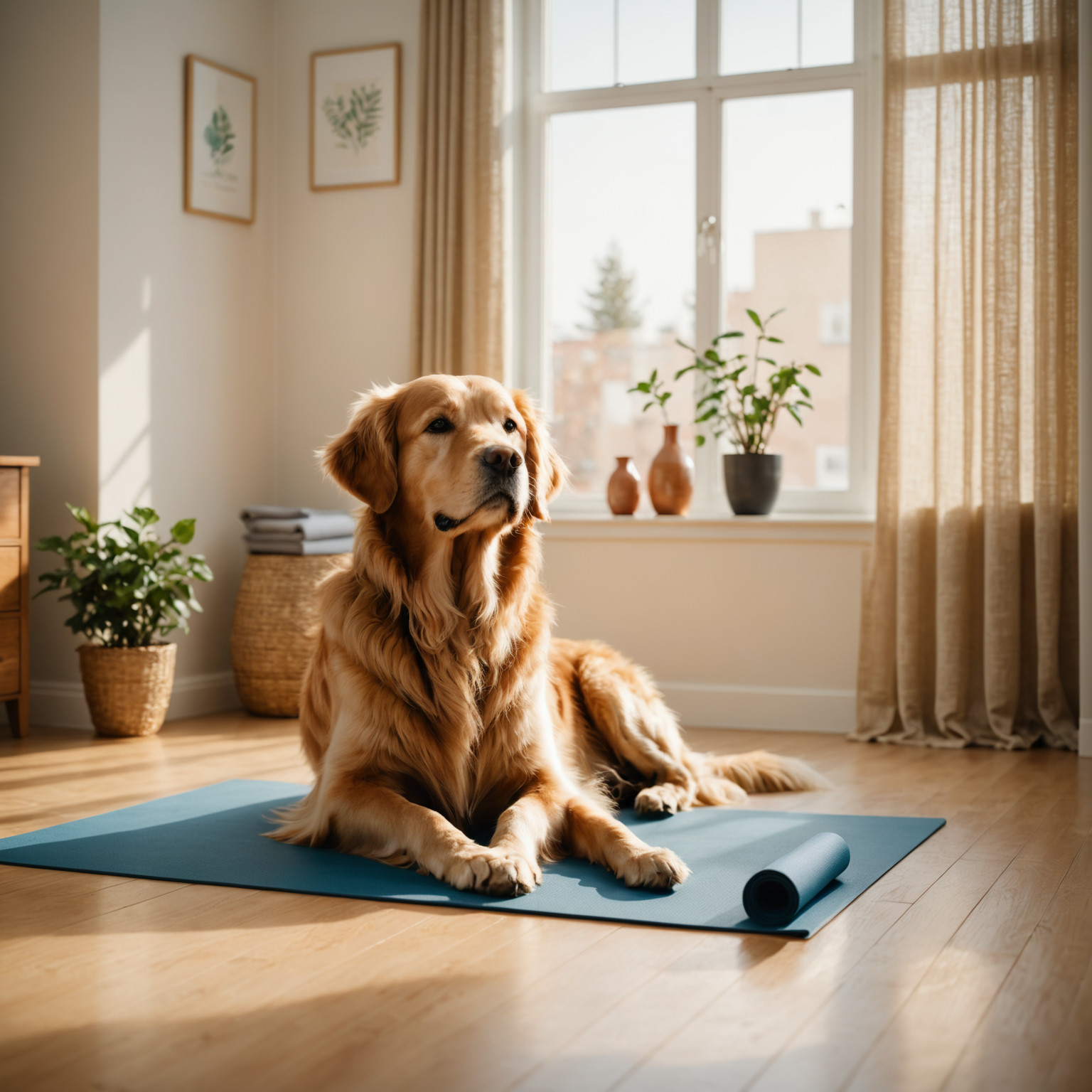
How to Do Doga: A Beginner's Guide to Dog Yoga and Canine Wellness
If you've ever tried to roll out your yoga mat only to have your dog immediately flop down in the middle of it, you already know the truth: your pup wants to be part of your wellness routine. That's exactly the spirit behind doga — the practice of doing yoga with your dog. Whether you're a seasoned yogi or someone who can barely touch their toes, doga is a beautiful way to deepen your bond with your furry best friend while enjoying the calming benefits of mindful movement together.
Doga isn't just a cute trend. It's a genuine wellness practice that combines gentle yoga poses, breathing exercises, and intentional touch to promote relaxation and connection for both you and your dog. It's accessible, joyful, and honestly? A little bit magical.
Please note: While doga is generally a gentle, low-impact activity, every dog is different. If your dog has any physical limitations, joint issues, or health concerns, consult your veterinarian before starting any new movement practice together.
- What Is Doga, Exactly?
- Benefits of Doga for You and Your Dog
- Is Doga Right for Your Dog?
- What You'll Need to Get Started
- Basic Doga Poses to Try at Home
- Tips for a Successful Doga Session
- Finding Doga Classes Near You
- Frequently Asked Questions
What Is Doga, Exactly?
Doga (a blend of "dog" and "yoga") is a partner-based wellness practice where dogs participate alongside their human companions during a yoga session. It was popularized in the early 2000s and has since grown into a worldwide movement with dedicated classes, instructors, and even retreats.
Unlike traditional yoga, doga isn't about achieving perfect alignment or mastering difficult poses. Instead, it focuses on the experience — the shared breathing, the gentle stretching, the quiet moments of connection. Your dog might be gently guided into a supported stretch, used as a prop for your own pose, or simply encouraged to rest calmly beside you while you move.
The practice draws from principles of canine massage, mindfulness, and basic yoga philosophy. It's less about performance and more about presence — which, if you think about it, is something dogs are already naturally great at.
Benefits of Doga for You and Your Dog
One of the most wonderful things about doga is that the benefits flow in both directions. Here's what you and your pup can gain from a regular practice:
For You
- Stress relief and relaxation — The combination of yoga and animal-assisted interaction has been shown to lower cortisol levels and promote a sense of calm.
- Improved mindfulness — Practicing with your dog keeps you grounded in the present moment (because dogs don't let you zone out for long).
- Gentle physical movement — Doga encourages stretching, breathing, and body awareness without intense physical demands.
- Stronger bond with your dog — Intentional, calm time together reinforces trust and deepens your relationship.
For Your Dog
- Reduced anxiety — The slow pace, gentle touch, and your calm energy can help soothe nervous or anxious dogs.
- Gentle physical stimulation — Supported stretches can help maintain flexibility, especially in older dogs.
- Socialization — Group doga classes offer a calm, structured environment for dogs to be around other people and animals.
- Mental enrichment — Learning to settle and engage in a new activity is great mental stimulation for dogs.
Is Doga Right for Your Dog?
Here's the honest truth: not every dog is going to be a natural doga enthusiast — and that's completely okay. Doga tends to work best for dogs who are:
- Calm or moderately energetic — Very high-energy dogs may struggle to settle during a session, though consistent practice can help.
- Comfortable with touch — Since doga involves gentle handling and guided movement, your dog should enjoy being touched and held.
- Socialized — If you plan to attend a group class, your dog should be comfortable around other dogs and people.
Dogs who may need extra patience or modification include puppies (who have short attention spans), senior dogs with mobility issues (always check with your vet first), and dogs with anxiety around handling. That said, doga can actually help some of these dogs over time — it just requires a slower, more patient approach.
What You'll Need to Get Started
The beauty of doga is that you don't need much to begin. Here's a simple checklist:
- A yoga mat (or two — one for you, one to encourage your dog to stay nearby)
- Comfortable clothing you can move freely in
- Your dog's favorite treats for positive reinforcement A calm, quiet space with enough room for both of you to move
- A relaxed mindset — seriously, this is the most important item on the list
Optional but helpful: a soft blanket or dog bed nearby for your pup to settle on, and some gentle background music to set a calming atmosphere.
Basic Doga Poses to Try at Home
Ready to get started? Here are some beginner-friendly doga poses you can try in your living room today. Always move slowly, watch your dog's body language, and never force any position.
1. Savasana Together (Relaxation Pose)
Start here. Lie flat on your back in traditional savasana and invite your dog to lie beside you or gently rest on your chest or belly. Focus on slow, deep breathing. Let your dog feel the rise and fall of your breath. This is the foundation of doga — shared stillness.
2. Puppy Pose (Child's Pose Variation)
Come into child's pose — knees wide, arms extended forward, forehead resting down. Encourage your dog to walk under your arched body or simply sit in front of you. Gently stroke their back as you breathe deeply. This is wonderfully grounding for both of you.
3. Supported Forward Fold with Canine Massage
Sit with your legs extended in front of you and fold gently forward. Place your dog between your legs or beside you and use this time to give them a slow, intentional massage along their back, shoulders, and hips. This doubles as a gentle stretch for you and a relaxing massage for them.
4. Chair Pose with Your Dog
Stand with your feet hip-width apart and lower into a gentle chair pose (as if sitting back into an invisible chair). Encourage your dog to sit in front of you and make eye contact. Hold the pose for a few breaths while maintaining a calm, connected gaze with your pup.
5. Assisted Downward Dog
Come into your own downward dog pose. Many dogs will naturally walk under you or nudge you — lean into this! You can also gently guide your dog into a play bow position (which mimics downward dog) by luring them with a treat. Hold for a few breaths and reward generously.
6. Seated Twist with Canine Cuddle
Sit cross-legged and twist gently to one side. Invite your dog to sit beside you and rest against your side as you hold the stretch. Switch sides. The warmth of your dog leaning into you makes this pose feel extra cozy.
Tips for a Successful Doga Session
A little preparation goes a long way. Keep these tips in mind as you build your doga practice:
Keep sessions short at first. Start with 10–15 minutes and gradually increase as your dog becomes more comfortable with the routine.
Use positive reinforcement throughout. Treats, praise, and gentle petting go a long way in helping your dog associate doga with good things.
Follow your dog's lead. If your dog gets up, wanders off, or seems uncomfortable, don't force it. Let them re-engage on their own terms.
Practice at the same time each day. Dogs thrive on routine. A consistent doga schedule helps them know what to expect and settle in more easily.
End every session on a positive note. Finish with a treat, a cuddle, or a short play session so your dog looks forward to the next time.
Finding Doga Classes Near You
If you'd like to practice doga with guidance, many yoga studios, dog training centers, and pet wellness spaces now offer doga classes. Here's how to find one:
- Search "doga classes near me" or "dog yoga [your city]" online
- Check with local dog trainers or pet wellness centers
- Look for doga events at dog-friendly parks or community spaces
- Explore online doga classes and YouTube tutorials if in-person options aren't available in your area
When evaluating a class, look for instructors who have experience with both yoga and animal behavior. A good doga class should feel calm, low-pressure, and genuinely fun for both species in the room.
Frequently Asked Questions
Do dogs actually enjoy doga?
Many dogs do — especially those who enjoy calm, close contact with their humans. The key is to introduce it gradually and always let your dog participate at their own comfort level. Some dogs become total doga devotees; others prefer to just nap nearby, which is also perfectly fine.
What breeds are best suited for doga?
Any breed can participate in doga, but calmer, more people-oriented breeds often take to it most naturally. That said, individual personality matters far more than breed. A mellow Labrador and a chill Chihuahua can both be wonderful doga partners.
Can I do doga with a puppy?
Yes, with patience! Puppies have short attention spans and lots of energy, so keep sessions very brief (5 minutes or less) and focus on gentle touch and calm energy rather than specific poses.
Is doga safe for senior dogs?
Doga can be wonderful for senior dogs, but always consult your vet first — especially if your dog has arthritis, hip dysplasia, or other mobility concerns. Focus on gentle massage and relaxation rather than guided stretches.
Do I need to be good at yoga to do doga?
Absolutely not. Doga is about connection, not perfection. Beginners are completely welcome, and honestly, your dog won't judge your downward dog form at all.
Bring More Calm and Connection Into Your Routine
Doga is one of those rare wellness practices that genuinely gives back to everyone involved. It's a chance to slow down, breathe deeply, and share a quiet, joyful moment with the dog who already brings so much happiness to your life. Whether you try it in your living room this weekend or sign up for a local class, we hope you and your pup find something truly special in this practice.
At Happy Paw Studio, we believe that the best thing you can do for your dog's wellness is simply show up — with patience, love, and maybe a few extra treats. Now go roll out that mat. Your dog is already waiting.
Have you tried doga with your pup? We'd love to hear about it in the comments below!
Sources
- American Kennel Club (AKC) — General guidance on dog wellness, canine massage benefits, and safe handling practices for dogs.
- VCA Animal Hospitals — Veterinary information on canine flexibility, joint health in senior dogs, and the importance of consulting a vet before starting new physical activities.
- PetMD — Information on dog anxiety, the benefits of calm, structured activities for nervous dogs, and positive reinforcement training principles.
- ASPCA — General animal welfare guidelines related to humane handling, stress signals in dogs, and positive interaction practices.
- International Association of Animal Massage & Bodywork (IAAMB) — Background on canine massage techniques and their role in promoting relaxation and physical wellness in dogs.
Get Printable Dog Planners & Trackers at Happy Paw Studio
Looking for instant printable dog health logs, pet care planners, and daily routine journals? Visit our Etsy store to download yours today!
Shop HappyPawStudio1 on Etsy →